IAMS PH
Puppy Ready Adult Dog Food

adp_description_block235
Puppy Ready Adult Dog Food

  • Share

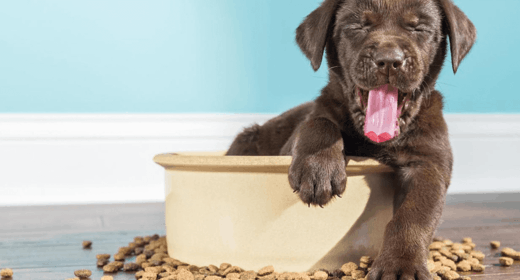
Picking the right food for your pup is key to ensuring its healthy growth. While both puppy food and adult dog food seem similar, they serve different nutritional purposes tailored to distinct life stages. Understanding this disparity is vital in guaranteeing the overall well-being of your beloved companion.
 

Feed puppy food until maturity

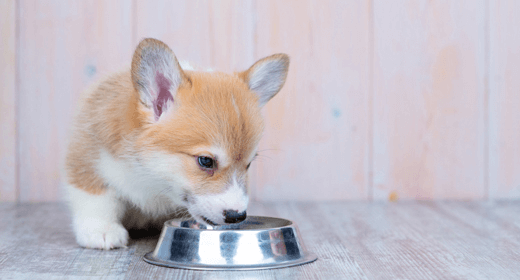
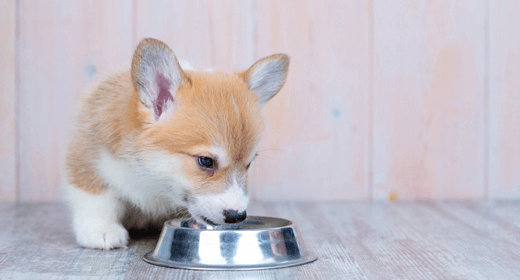
Puppies are more than just mini versions of adult dogs. Their nutritional needs are unique and crucial for their growth spurt and cognitive development. Specifically designed with the perfect blend of proteins, fats, vitamins, and minerals, puppy food supports bone and muscle growth. With their endless energy, they need the extra calories that puppy food provides. Plus, the added dose of nutrients like calcium and phosphorus is essential for strong bone development. So, stick to puppy food until your furball hits full physical maturity, ensuring a strong and healthy foundation for their adult life.
 

When to switch puppy to adult food

When a puppy can eat adult dog food isn't a one-size-fits-all deal. It is a gradual process that demands attention to your dog's unique traits. Generally, it is wise to make the switch when your pooch is about 80-90% of its expected adult size. But remember, a sudden change can upset their tummy. 
 

To ease the shift, start by mixing small portions of adult food with their usual puppy fare. Over a week or two, increase the adult food ratio until your dog is entirely comfortable with the new diet. Don't forget to consult your vet to ensure a smooth transition and a lifelong, balanced diet for your four-legged friend.
 

When to switch from puppy to adult dog food for different breeds?

When figuring out when to transfer to adult dog food, the size of your growing dog plays a crucial role. Given below is a comprehensive guide:

  • Small-sized dogs: Small breeds should transition to adult dog food at around 9 to 12 months of age or when they reach 90% of their expected adult weight.
  • Medium-sized dogs: Medium-sized breeds should switch to adult dog food around 12 months of age when they are close to their full-grown size.
  • Large-sized dogs: Large breeds should transition to adult dog food at approximately 12 to 18 months of age due to their longer growth period.

At IAMS, we offer a range of adult dog food that are rich in nutrients like protein, vitamins, minerals and more to provide your pooch with a complete and balanced meal. We have specialized recipes for each breed, targeting the specific nutritional needs of small, medium, and large sized dogs.
 

Why adult dog food is important

As your canine companion transitions from the puppy stage to adulthood, providing it with an appropriate diet becomes crucial for its long-term health and well-being. Adult dog food serves as a vital component in ensuring that your dog receives the necessary nutrients to maintain optimal health and vitality. Here are some key reasons why adult dog food is essential for your furry friend's overall wellness:

  • Tailored nutrition: Adult dog food is like a tailored suit, designed specifically for your dog's needs as it matures. Packed with the right blend of proteins, carbs, vitamins, and minerals, it fuels energy, maintains muscle strength, and keeps your dog bound with vitality.
  • Weight watch: Keeping your dog at a healthy weight is vital for their overall well-being. Adult dog food helps manage their calorie intake, ensuring they stay fit and agile. No more worrying about extra pounds leading to joint issues or other health complications.
  • Happy tummies: Adult dog food often includes easily digestible ingredients, making mealtime a treat for your dog’s tummy. Adding dietary fibers keeps digestion smooth sailing for dogs, preventing any unpleasant tummy troubles.
  • Wellness booster: Packed with antioxidants and omega fatty acids, adult dog food boosts dogs’ immune systems and keeps their skin healthy, and their coats shiny. It is like a daily dose of preventive care for a longer and happier life.

So, as your dog grows, make sure its diet grows as well. With the right adult dog food, tailored to its needs, you are laying the foundation for a life full of tail wags and playful barks.
 

How to transition from puppy to adult dog food?

Transitioning your furry friend from puppy to adult dog food is not just about changing what is in the bowl; it is a gradual adjustment that involves considering evolving nutritional needs, portion sizes, meal frequencies, and more. Here is a structured guide to help you ease your pup into their new diet over a 10-day period:

  1. Day 1-2:

Start by mixing 75% of the puppy food with 25% of the new adult dog food. This allows your pup to get accustomed to the new flavors and textures while maintaining some familiarity with the old food.

  1. Days 3-4:

Increase the proportion of adult dog food to 50% while decreasing the puppy food to 50%. This step continues the gradual transition, helping your dog's digestive system adapt to the new food without causing any sudden upsets.

  1. Days 5-7:

Continue the transition by serving 75% of the new adult dog food mixed with 25% of the remaining puppy food. This step allows their taste buds to fully adjust to the new diet while ensuring a smooth transition without any digestive disturbances.

  1. Days 8-10:

By this point, your pup should be ready to completely switch to adult dog food. Serve only the new adult dog food, ensuring that the portion size is appropriate for its age, size, and activity level. Maintain the recommended feeding schedule based on specific dietary needs.
 

Throughout the transition period, closely monitor your dog's eating habits, energy levels, and overall well-being. If you notice any digestive issues or reluctance to eat, slow down the process and give it more time to adjust. Providing plenty of fresh water and sticking to a consistent feeding schedule will help make the transition as smooth as possible for your beloved canine companion.
 

Remember, a smooth transition from puppy to adult dog food is all about taking it slow and steady. By gradually introducing the new food over a 10-day period, you give your pup's digestive system the time it needs to adjust without causing any discomfort. Keep a close eye on its response throughout the process, and do not hesitate to make adjustments if necessary. With patience and careful monitoring, you can ensure that your loyal companion makes a seamless shift to their new, adult-dog-friendly diet. 

Frequently asked questions about Puppy ready adult dog food

  1. Can my puppy eat adult dog food?
  2. Puppies should not eat adult dog food as it lacks essential nutrients for their growth. Choose puppy-specific food until adulthood. 

  3. What should a 5-month-old puppy eat?
  4. A 5-month-old puppy should eat high-quality puppy food rich in protein and essential nutrients, promoting healthy growth and development.

  5. How long is a dog considered a puppy?
  6. Dogs are typically considered puppies from birth to one year, although this can vary based on breed size.

  7. What is the ideal adult dog food age?
  8. The right age to switch your pooch from puppy food to adult dog food can vary basis multiple factors. However, here’s how these furry beings are generally switched to adult dog food basis their breed size.

    Breed Size

    Age

    Small

    9 to 12 months old

    Medium

    10 to 12 months old

    Large

    12 to 16 months old

    Giant

    18 to 24 months old

  • How To Feed & Take Care Of A Pregnant Dog? - IAMS™ Philippines
    How To Feed & Take Care Of A Pregnant Dog? - IAMS™ Philippines
    adp_description_block206
    Pregnant Dog Care Guide

    • Share

    Nutrition and bodyweight management are crucial for the health of a pregnant dog and her puppies. While your dog may not require as many doctor visits as people do during pregnancy, you wi’ll still need to understand how to take care of a pregnant dog. This can be achieved by consulting your vet who can evaluate and treat her for both internal and external parasites that could pose a threat to her or her offspring. Pregnancy in a dog is one of the most exciting, but delicate' times in the life of a female dog. Hence, providing sufficient care during the early weeks of pregnancy is critical.


    Signs of dog pregnancy


    It can be difficult to notice anything unusual in your dog during the first few weeks of her pregnancy. However, you can watch out for subtle signs of pregnancy in dogs.
     

    • Reduced activity

    Your pregnant dog will get tired easily and spend more time napping. For dogs that usually have a high energy drive, this decrease in activity should be considered carefully. It may be difficult to spot a decline in energy in dogs who love resting all day. So, if this is the case, pay attention to how quickly she feels exhausted during walks.

    • Strange behavior

    You will observe certain changes in your dog's behavior if she is pregnant. For example, she may crave her owner's comfort more frequently. A pregnant dog will spend more time around you, seeking extra attention. At times, she will also prefer solitude and would not want to be bothered. And when given attention, she may appear depressed or even irritated.
     

    • Alterations in appetite

    Appetite fluctuations are another sign of pregnancy in dogs. She may eat less or perhaps even vomit sometimes, early or midway through the pregnancy. However, she may consume more than normal and be unhappy with her meals. These changes are caused by your dog's shifting hormones.
     

    • Weight gain and belly enlargement

    Your dog's abdomen will grow in size as the puppies grow. This can be one of the most obvious signs of a dog's pregnancy, particularly if your dog hasn't gained weight for any other reason. However, because enlargement of the abdomen happens late in a dog's pregnancy, and if you detect this sign, it’s time to take her to the clinic.


    Proper nutrition requirements during the pregnancy

    Proper nutrition for pregnant dogs is important in this period. Therefore, extra caution and care should be given while providing food for pregnant dogs and caring for them.
     

    • Feeding your pregnant dog with a high-energy diet is important since she requires higher energy during such delicate times. Along with letting a baby grow in her womb, she will also be gaining body weight. That’s exactly why your vet will advise you to provide your dog with a high-energy diet with appropriate levels of fat, carbs, and protein. So, make sure to give her as much food as she likes unless she has a tendency of gaining weight.
       
    •  A dog's pregnancy usually lasts for nine weeks on average. During the first six or seven weeks, the food intake shouldn't be higher than normal. Use a puppy formula to feed your dog as it will enable her to stay strong. Puppy food is also more nutritionally packed, making it easier to pass through the mother's smaller stomach. In fact, providing puppy food during the first six or seven weeks will be beneficial later as well. It will eventually provide essential nutrients to your dog’s puppies through the mother's milk when they are born. Then, between weeks six and seven, start giving her additional food as per her weight gain. By the ninth week, her appetite may wane or vanish. This is usually a sign that the puppies will be born within the next few days.


    Pregnancy and nursing are not only responsible for many changes in a dog's body, but for changes in her lifestyle as well. If your dog is pregnant or nursing, pay special attention to her changing nutritional needs as she carries, delivers and nurses her puppies.
     

    A week-by-week overview of your dog’s pregnancy


    Weeks 1 and 2
    • Breeding occurs
    • Fertilization occurs
    • Fertilized eggs embed into the female’s uterine lining 
    Weeks 3 and 4
    • Embryo develops
    • Spinal cord slowly begins to develop
    • The fetus grows facial features
    Weeks 5 and 6
    • Other organs develop
    • Legs, eyes, and other features develop
    Weeks 7 and 8
    • The puppy/ies are well developed 
    • Slowly move around in the abdomen
    Week 9
    • The puppy/ies are fully developed
    • Labor begins


    Which vaccines are required before and during your dog’s pregnancy?


    Did you know? You must ensure that your female dog is up to date with vaccination before and during pregnancy. After all, it offers protection from rabies and other severe illnesses. So, let’s explore the vaccination needs of a female dog during this delicate, yet beautiful stage of its life.
     

    Before dog pregnancy:
     

    There are certain vaccines that you should consider giving your dog before she’s pregnant. 
     

    The Canine Task Force of the American Animal Hospital Association believes the following canine immunizations to be essential:
     

    • Canine Distemper
    • Canine Parvovirus
    • Hepatitis
    • Rabies
       

    During dog pregnancy:

    In general, normal pet owners will not need to vaccinate a pregnant female dog. If she is up to date with all her vaccinations, there is usually no need to give her an additional booster shot just because she is pregnant. Moreover, even veterinarians discourage vaccinating pregnant dogs. 
     

    Nutrition during nursing in large and small breeds

    The nutritional requirement for large-breed dogs differs from that of small-breed dogs. While you would want to shower your pregnant dog with endless foods and treats, it is best to refrain from it. Overfeeding could lead to obesity towards the end of pregnancy. This will increase the risk of difficult labor, which will thereby cause stress to the dog. Hence, during these delicate times, following the feeding guide provided by your vet is a must.
     

     A small breed dog needs more calories per pound than a large breed dog to sufficiently sustain her puppies during pregnancy as well as breastfeeding. The to-be mother dog’s food consumption should be increased by roughly 15% to 25% as she nears the date of delivery.
     

    Small dog breeds should be fed a small breed puppy food. Therefore, choose a highly nutritious puppy diet for your dog based on the size of the breed.
     

    Before pregnancy: plan ahead

    If you're planning to breed your female dog, it’s important to assess her body condition well in advance due to the physical demands of pregnancy and nursing, a dog with less-than-ideal health can experience problems.
     

    • An underweight dog often has difficulty consuming enough food to support both her own nutritional needs and those of her developing puppies.
    • Overweight dogs may experience abnormal or difficult labor because of large fetuses.
       

    Be sure to feed the proper amounts of a complete and balanced diet. This will support the mother's healthy weight and body condition before breeding and help maintain her health and that of her babies throughout pregnancy and lactation.
     

    Pregnancy: monitor your dog’s weight gain

    The gestation period for dogs is nine weeks. Pregnant dogs gain weight only slightly until about the sixth week, and then gain weight rapidly.
     

    The energy requirements of pregnant dogs are reflected in the pattern of weight gain. Pregnant dogs will need to consume 25% to 50% more than their normal food intake by the end of pregnancy, but energy requirements do not increase until about the sixth week.
     

    The best diet for pregnant and nursing dogs is a high-quality, nutrient-dense pet food formulated for all life stages. Although puppy diets are generally recommended for pregnant or nursing dogs, large-breed puppy formulas may not be appropriate for this use due to their adjusted energy and mineral content.
     

    What food should be avoided while caring for a pregnant dog?

    Raw foods are not recommended for nursing or pregnant dogs. Most dogs can get by on high-quality dog food alone, so unless your veterinarian suggests otherwise, you should avoid giving your dog any additional vitamins or supplements.
     

    A good option is to give your pregnant dog IAMS™ PROACTIVE HEALTH™ Mother and Baby dog food. It supports the mother’s gestation and milk production for healthy puppy development while also boosting your puppy's training capacity with vital DHA for healthy brain development, making its first year of life a pleasant one.
     

    Nursing: make sure your dog gets sufficient nutrition

    Pregnant dogs lose weight after giving birth, but their nutritional needs increase dramatically. Depending on litter size, nursing dogs might need two to three times their normal food requirement to nourish their pups. Be sure your nursing mom has plenty of water, so she can generate the milk volume she needs to feed the litter.
     

    To help your nursing dog get enough nutrition, you can try several tactics:
     

    • Feed a nutrient-dense diet such as puppy food.
    • Instead of increasing the quantity of food in a single meal, increase the number of meals throughout the day.
    • Adopt free-choice feeding and, offer unlimited access to dry food throughout the day.


    Weaning: return to a pre-pregnancy diet

    By four to five weeks after birth, most puppies start showing an interest in their mother’s food. Gradually, the puppies will begin eating more solid food and nursing less. At the same time, the nursing mother will usually begin eating less. Most puppies are completely weaned around age 7 to 8 weeks. By this time, the mother's energy requirement is back to normal, and she should be eating her normal pre-pregnancy diet.
     

    Similar to the nutritional requirements of pregnant and nursing dogs, senior dogs also have specific nutritional needs. Explore our blog where we discuss the nutritional needs of senior dogs.


    If you're looking for the perfect dog for you, try our Dog Breed Selector today and enjoy a lifetime of tail-wagging joy.

Close modal