IAMS PH
Puppy Basics: Switching Your Puppy’s Food

adp_description_block282
Puppy Basics: Switching Your Puppy’s Food

  • Share

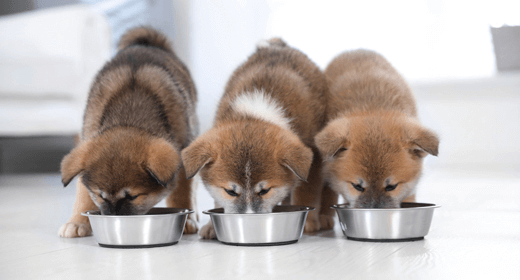
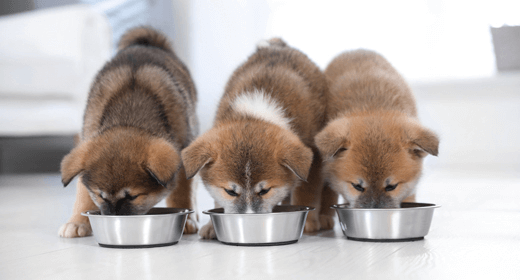
Your new puppy's first meals at home are very important. Find out what formula your puppy has been eating, and continue feeding this food for a day or two after you bring him home. If you want to change his diet to a premium food such as IAMS™ ProActive Health™ Smart Puppy Original , gradually move him to the new formula and help avoid intestinal upsets by using the following steps:
 

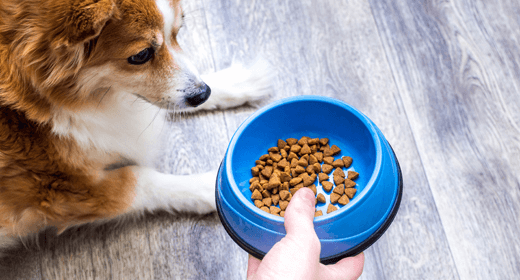
Day 1: Fill your dog's bowl with 75% of his old food and 25% of IAMS ProActive Health Smart Puppy Original.

Day 2: Mix his former food and IAMS ProActive Health Smart Puppy Original in a 50/50 ratio.

Day 3: Feed your dog a mixture that's 75% IAMS ProActive Health Smart Puppy Original and 25% former food.

Day 4: Feed 100% of IAMS ProActive Health Smart Puppy Original.


Feeding Tips

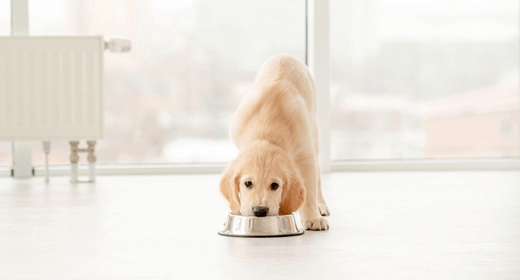
To feed a puppy from weaning to 4 months of age, offer a 100% complete and balanced premium puppy formula. To determine each serving size, start with the daily amount recommended by the feeding guidelines on the pet food label, and divide that number by the number of times a day (usually three times) you plan to feed your puppy.
 

Serve the food at room temperature and remove the bowl within 30 minutes after he's done eating. After four months, you can feed a puppy twice daily on a regular schedule.
 

  • Always provide your dog with clean, fresh water.
  • Discard uneaten wet food at the end of the day.
     

Don't add nutritional supplements to your dog's diet. Adding commercial dietary supplements or 'people food' such as hamburger, eggs, cottage cheese, or cow's milk is unnecessary and might even do more harm than good.
  • Train Your Puppy Like a Pro
    Train Your Puppy Like a Pro
    adp_description_block68
    Train Your Puppy Like a Pro

    • Share

    Congrats! Your adorable li’l bundle of fur is finally home. Now it’s time to train your pup like a pro with our essential puppy training techniques and tips for three important topics:


    How to Housetrain Your Puppy

    Most experts suggest potting training a puppy when they’re between 12 and 16 weeks old.

    Before you begin, though, set your puppy up for success by giving them a confined space in your house, whether that’s in a crate, a small room with a baby gate or on a tethered leash, so you can keep an eye on them and prevent accidents.


    Create a Regular Feeding Schedule and Take Away Food Between Meals

    Most puppies need to eat three to four times a day, so feed your furry friend delicious,  specially formulated IAMS™ Puppy Food at the same times every day. The food is easy to digest and will help keep your puppy’s potty breaks on a fairly predictable schedule, which is a win-win for both of you.


    Take Your Puppy Outside Often

    We recommend every hour or two at first, depending on your pup’s breed and size. Also take them out right after they wake up in the morning or from a nap, after they eat or drink and after play sessions.


    Pick Up Your Pup’s Water Bowl before Bedtime

    Removing access to water two hours before bed time and scheduling a bathroom break right before bed will help your li’l baby sleep through the night. Most puppies can sleep about seven hours without having to go. But if your puppy does need to go out, be low-key about it. Take them outside, allow them to go and put them right back in their sleeping space.


    Pick a Potty Spot Outside

    By taking your puppy on a leash to the same spot every time, you’re saying to them, “This is where you do your business.” The scent in this spot will encourage them to go. Also, use a consistent phrase like “go potty” as your puppy does their business. Eventually, that’s all you’ll have to say to prompt them.


    We recommend using a leash so your puppy knows exactly where they need to go and doesn’t get distracted on the way — which, of course, is what puppies do.


    Reward Your Puppy Every Time

    Give your little pooch lots of praise after they do their business so they learn your expectations. You can also give them a treat, but do it immediately after they go so they associate the treat with the behavior. Going for a walk around the neighborhood is another great way to reward them.


    How to Keep Your Puppy from Nipping and Biting

    While playing with your puppy is fun for both of you, it’s important to teach your puppy that they aren’t allowed to nip at your clothing or bite your skin. Here’s how to do it:


    Tell Them “Owwww!”

    A great technique to nip puppy nipping is to say “ow!” in a loud, high-pitched voice. This gets your puppy’s attention because it mimics the yelp a mother dog and littermates use to say, “Hey, you just hurt me.”


    Teach Them That Nipping Ends Playtime

    Every time your puppy nips or bites you while playing — or any other time for that matter — gently remove yourself from their grip, quietly turn around and walk away. This says to your little guy or girl that biting is not an OK way to play.


    Put Your Pup in Time-out

    If your puppy keeps biting after you say “ow!” or walk away and ignore them, they might be overstimulated or overtired. If so, gently put your puppy in their crate or room for a little while so they can calm down or sleep.


    Give Your Puppy Something Else to Chew On

    If you don’t want your hands, fingers and toes to be chew toys, then always have a puppy chew toy handy. This distracts them from the biting behavior and teaches them what’s acceptable to chew on, especially when they’re teething and gnawing to make their gums feel better.


    Tire Them Out with Exercise

    A tuckered-out pup has less energy to nip and bite, so give them the right amount of physical activity and playtime every day. See how much exercise our experts recommend.


    Reward Them for Not Biting

    Whenever your little friend plays politely and doesn’t bite you or others, don’t forget to praise them, give tons of affection or perhaps offer a tasty treat.


    How to Teach Your Puppy to Walk on a Leash

    No doubt about it: One of the most important things you can do as a new puppy parent is teach your dog how to go on a well-behaved walk with you on a leash. Here’s how to get started:


    Get Your Puppy Used to a Collar and Leash

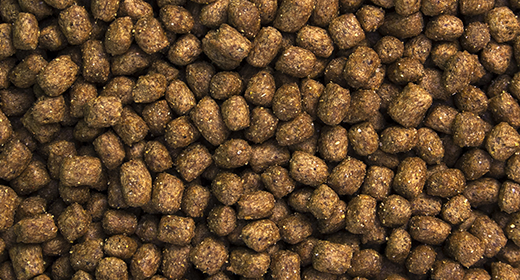
    Start inside your house by putting on your pup’s collar or harness for short periods when you’re playing with them and giving them treats, like pieces of tasty IAMS™ kibble. After your puppy is comfortable with their collar or harness, attach the leash and let them drag it around


    Begin with Short Indoor Training Sessions

    Start with simple walks around your house. Teach your puppy to walk next to you with a loose leash, praising and encouraging them with small pieces of dry dog food.


    Take the Lesson Outside

    As your pup gets the hang of indoor walking, it’s time to take your leash training outdoors, preferably in your backyard if you have one. Keep your puppy focused during each brief session and encourage them to stay right next to you without pulling, lunging or stopping while they’re on the leash.


    Go for Your First “Big Walk”

    Now’s the time to put your training into action. Start out with a short walk and work hard to keep your pup close by your side. You’ll also need to keep them focused because they’ll be distracted by all the new sights, sounds and smells. Be patient, keep your pace slow and give them plenty of chances to sniff around and do their business.


    Practice, Practice, Practice

    Practice really does make perfect. So keep praising and giving your little friend occasional treats until they learn the leash-training routine and become a well-mannered walking partner for life.

    Train Your Puppy Like a Pro
    Train Your Puppy Like a Pro
    Train Your Puppy Like a Pro
    Train Your Puppy Like a Pro
Close modal