Enter a keyword below to search for articles and products.


The timeline for feeding your puppy changes rapidly over the first six months. Learn what and how you should feed your puppy based on the key development milestones she will experience.
Due to breed differences and animal individuality, it is impossible to predict exact dates for a puppy’s growth and development milestones. However, by using the following milestones as a guide for healthy growth, developmental problems can be spotted — and possibly prevented — early on. By knowing these milestones, you’ll also know when your puppy is ready to begin weaning.
| Age | Milestone |
|---|---|
| 7-10 days old | Puppies double their birth weight. Puppies begin to urinate and defecate on their own. |
| 10-18 days old | Puppies attempt to stand. Puppies’ eyes begin to open. Puppies’ ears begin to open. |
| 18-21 days old | Puppies hear and respond to noises. Puppies begin to walk. |
| 3 weeks old | Begin weaning process for orphaned puppies. Puppies begin responsive vocalization. Deciduous (baby) teeth will begin erupting. |
| 4 weeks old | Begin weaning process for mother-fed puppies. |
| 3–6 months old | Puppies’ adult teeth erupt. |
When your puppy is ready to begin weaning (at around 4 weeks for mother-fed puppies and 3 weeks for orphaned puppies), use this step-by-step process:
The entire process should take approximately three weeks.

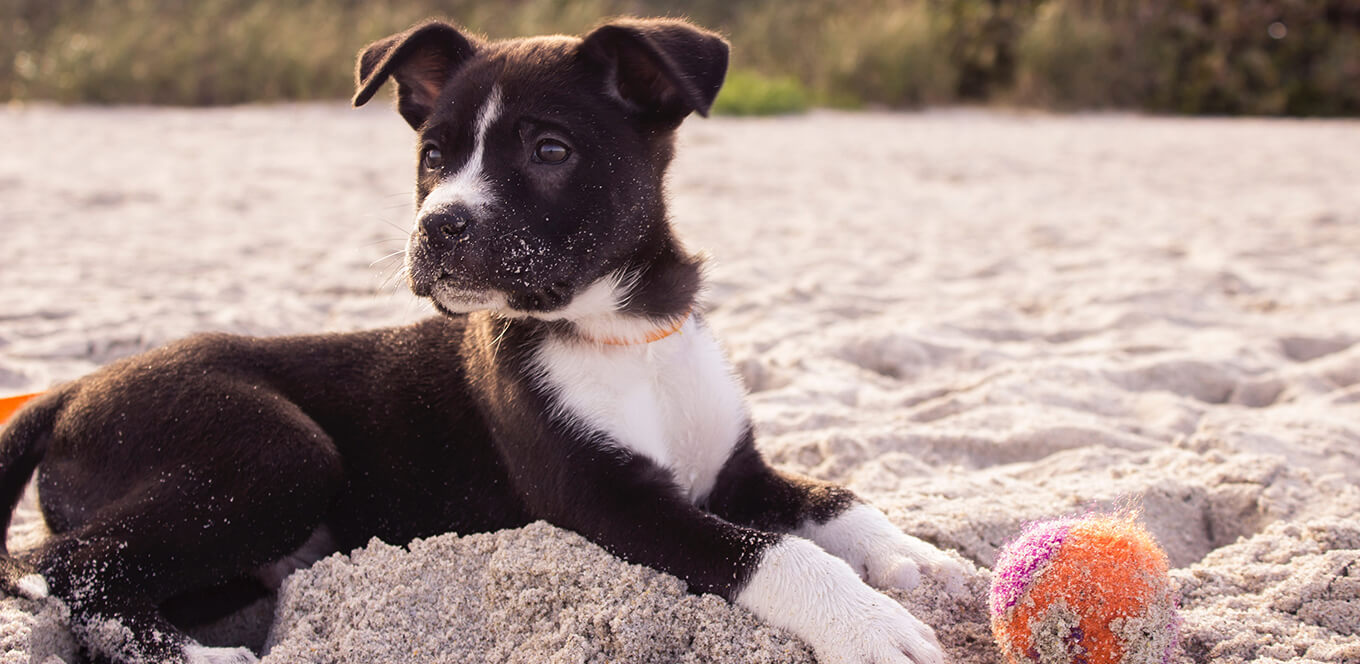


In the realm of pet care and canine health, certain nutrients often take center stage, and one such nutrient is vitamin E for dogs. While it might get as much attention as the other vitamins, the impact of vitamin E on your dog's well-being is significant. From bolstering their immune system to promoting a lustrous coat, this nutrient plays a crucial role in keeping your furry friend in top-notch condition. Join us as we delve into the world of vitamin E for dogs, exploring its multifaceted benefits and uncovering the sources that can contribute to your pup's overall vitality.
Vitamin E, a fat-soluble antioxidant, is a vital player in the health of both humans and our four-legged friends. Grouped into tocopherols and tocotrienols, this nutrient operates as a stalwart defender against free radicals, those troublemakers causing oxidative stress in the body. In simpler terms, it is a guardian of cells. Vitamin E for dogs supports immune function, maintaining skin health, and even contributing to good vision. The catch is that dogs cannot generate vitamin E in their systems, so it is on us, the providers of kibble and treats, to ensure they get their dose.
Absolutely, dogs can and should have vitamin E as part of their dietary intake. Since our furry friends cannot produce this essential nutrient internally, it becomes crucial to incorporate it into their meals. Dog foods often include vitamin E, but if you are preparing homemade meals or noticing a lack in their diet, supplementation may be necessary. This vitamin is not only a defender against oxidative stress but also contributes to the maintenance of healthy skin, a shiny coat, and a robust immune system. While moderation is key in all things, ensuring your canine companion gets an appropriate amount of vitamin E can significantly contribute to their overall health and well-being. Always consult with your veterinarian to determine the right balance for your specific dog's needs.
Without a doubt, vitamin E is exceptionally beneficial for dogs. Its antioxidant properties play a pivotal role in protecting their cells from damage caused by free radicals, contributing to the prevention of various health issues. This nutrient is particularly crucial for bolstering their immune system, promoting skin health, and ensuring a shiny coat. Dogs experiencing deficiencies in vitamin E may exhibit symptoms such as dull coats, muscle weakness, and impaired vision. Incorporating an adequate amount of vitamin E into your dog's diet can be a proactive step in maintaining their overall health and vitality. However, as with any nutritional component, it is important to strike the right balance, and consulting with your veterinarian is advisable to tailor your dog's diet to their specific needs.
Vitamin E is an essential nutrient for dogs. From fortifying cellular defenses to enhancing skin and coat brilliance, it offers countless benefits. So, let us understand the crucial role of vitamin E for puppies and dogs in their well-being:
Vitamin E acts as a stalwart defender, neutralizing free radicals that can damage cells over time. By doing so, it helps maintain the structural integrity of cells and supports overall cellular health in your dog.
A robust immune system is crucial for your dog's well-being. Vitamin E enhances the production of immune cells, fortifying your dog's defense mechanisms and aiding in the prevention of infections and illnesses.
Vitamin E for a dog’s skin is nothing short of magic, contributing to the maintenance of healthy skin. It helps alleviate dryness and irritation, making it particularly beneficial for dogs prone to skin allergies or dermatological issues.
The link between a shiny coat and good health is well-established. Vitamin E for puppies and dogs plays a huge role in promoting skin health and hydration directly contributes to the vibrant, glossy appearance of your dog's coat.
In the realm of ocular health, vitamin E plays a role in maintaining good vision in dogs. Its antioxidant properties extend to the eyes, helping to protect against age-related degeneration.
Supporting the health of muscles and nerves, vitamin E for dogs benefits your baby’s overall mobility and vitality. This is particularly important for active dogs and those engaged in regular physical activities.
For breeding dogs, vitamin E is essential for reproductive health. It aids in fertility and ensures the healthy development of embryos, supporting a smooth reproductive process in females.
In conditions like arthritis, where inflammation is a concern, vitamin E's anti-inflammatory properties can be beneficial. It may help manage inflammation and alleviate discomfort in dogs with joint issues.
Incorporating vitamin E into your dog's diet offers a holistic approach to their health, addressing various aspects from the cellular level to visible markers like coat condition. As always, consulting with your veterinarian ensures a tailored and effective approach based on your dog's unique needs.
As we curate the perfect blend of flavor and nutrition for our furry companions, let's explore a canine culinary journey featuring vitamin E-rich ingredients. From eggs to safflower oil, each element not only tantalizes your dog's taste buds but also delivers the essential goodness of vitamin E, contributing to their overall well-being in delightful bites.
In the nutritional narrative for our canine friends, vitamin E emerges as a hero, weaving a tale of immune resilience, skin radiance, and overall vitality. Its antioxidant prowess safeguards cells, ensuring a robust foundation for your dog's well-being. As you curate their meals, let vitamin E take the center stage, offering not just nourishment but a key ingredient in the recipe for a thriving, tail-wagging companion.