Enter a keyword below to search for articles and products.


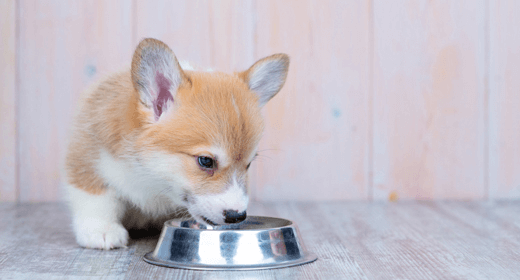
As a new puppy parent, you may feel overwhelmed by the sheer amount of information available on properly feeding your furry friend. But don't worry – we are here to help! In this blog post, we will share tips and tricks on puppy feeding, so your canine companion gets all the nourishment it needs to grow and thrive.
First and foremost, it's important to follow a consistent feeding schedule for puppies. This will help them get used to regular meals and prevent them from developing bad habits like begging for food. It's also essential to choose a high-quality puppy food formulated specifically for their age and size. Look for options containing real, wholesome ingredients and avoid anything packed with fillers or additives.
Overfeeding your puppy can lead to obesity and other health issues. It's also important to pay attention to portion sizes. And if you need help with how much to feed your pup, feel free to ask your veterinarian for guidance.
Puppies have specific nutritional needs that change as they grow and develop. It is crucial to ensure they get the right amount of food at the right time. Our puppy feeding chart is designed to help you determine the appropriate serving size for your puppy based on age and weight. Following these guidelines ensures that your puppy gets the nutrition it needs to thrive and stay healthy.
[Puppy Feeding Chart]
Puppies are energetic and adorable little creatures, but they also require proper nutrition to grow and develop properly. So, how much should you feed a puppy?
Firstly, it's important to consider the size and breed of your puppy. Larger breeds will need more food, while smaller breeds will need less. It's also important to consider the puppy's age. Puppies under 12 weeks of age should be fed four times a day, while puppies over 12 weeks of age should be fed three times a day.
Regarding the amount of food, it's best to follow the guidelines on your puppy's food label. These guidelines are based on the puppy's weight and age and will ensure that your puppy is getting the right amount of nutrients. It's also essential to choose a high-quality puppy food developed specifically for puppies, as this will provide all the nutrients you puppy needs.
It's also important to remember that puppies have small stomachs and may need to eat smaller meals more frequently. If your puppy seems hungry between meals, you can offer them a small, healthy snack, such as a piece of cooked chicken or a small amount of carrot.
In summary, feeding your puppy the right amount of food at the correct time is important. Follow the guidelines on your puppy's food label and choose high-quality puppy food to ensure that your furry friend gets the nutrients required to grow into a healthy dog. Remember to consider your puppy's size and age, and offer small, healthy snacks as needed. Your puppy will grow into a healthy and happy dog with proper feeding.
The general rule of thumb is to switch your puppy to adult food when they reach around 80% of its expected adult size. This usually occurs when it is 12 to 18 months old, depending on the breed. Smaller breeds tend to reach adult size faster, while larger breeds may take longer.
To determine when your puppy is ready for the switch, it's important to pay attention to their body condition and weight. If your puppy is still growing rapidly and has a lot of energy, they are probably still being prepared for adult food. On the other hand, if they are starting to slowdown in growth and seem to be reaching their adult size, it's time to make the switch.
It's also a good idea to consult with your veterinarian for advice on when to switch your puppy to adult food. They can help you determine the best time based on your puppy's specific needs and growth rate.
In general, choosing high-quality adult food that is appropriate for your puppy's size and breed is imperative. Look for a formula rich in proteins, vitamins, and minerals to support their overall health and development. With careful planning and attention, you can ensure that your puppy grows into a healthy, happy adult dog.
Puppies should be fed 3-4 times daily until they reach around 4 months old. After that, you can gradually transition them to 2 meals per day. It is important to consult with a veterinarian or a professional in pet nutrition to determine the specific puppy feeding schedule for your puppy based on its breed, age, and size.
The amount of food you should feed a puppy depends on its size, age, and activity level. It is important to follow the feeding guidelines provided by your puppy's breeder or veterinarian and the recommendations on the back of the puppy food label. It is also important to ensure that the puppy gets enough calories and nutrients to support its growth and development.
The proper way to feed a puppy is to provide them with high-quality puppy food that is specifically formulated for their age and size. It is important to follow the recommended serving sizes and frequency listed on the back of the pack, as overfeeding can lead to obesity and other health issues. Gradually introducing new foods and monitoring the puppy's reaction is important to ensure they can properly digest their meals. It is also important to always provide fresh water to ensure proper hydration.




Dogs bring us immense joy and companionship, and we naturally want them to live happy and healthy lives. However, a hidden threat lurks in the shadows, capable of jeopardizing the health of our furry friends: infestations of fleas and ticks. These tiny parasites, barely visible to the naked eye, pose a significant danger, requiring our vigilance and prompt action to protect the ones we love.
To effectively protect your dog, it's crucial to understand the lifecycles of these parasites.
Fleas have a four-stage life cycle:
Ticks, while different in their lifecycle, pose a similar threat. They follow these stages:
Early detection is key in managing these parasites.
Fleas are small, wingless insects that feed on the blood of dogs. They can cause various problems for your dog, including:
Ticks are larger than fleas and have eight legs. They latch onto your dog's skin and feed on their blood. Ticks can transmit various diseases to dogs, including Lyme disease, anaplasmosis, and Rocky Mountain spotted fever. Here are some signs of ticks on your dog:
Once you've identified an infestation, prompt and effective treatment is essential.
When dealing with fleas on dogs, a multi-pronged approach is often necessary. Here are some effective options:
Consulting your veterinarian is crucial when choosing a flea treatment, as they can recommend the most appropriate option based on your dog's age, breed, and specific needs.
If you find a tick attached to your dog, it's essential to remove it promptly and safely. Here's how:
Monitor your dog for any signs of infection, such as redness, swelling, or fever. If you notice any concerns, consult your veterinarian immediately.
Important tip: Avoid using home remedies like petroleum jelly or matches to remove ticks, as these can cause the tick to release more saliva and potentially increase the risk of disease transmission.
A proactive approach is the best way to protect your dog from these pests.
Protecting your dog from fleas and ticks is crucial for their health and well-being. By implementing a regular prevention routine, combining medication with vigilance and proper hygiene, you can keep your furry friend safe and comfortable. Remember, consulting your veterinarian for personalized advice is the best way to ensure the most effective approach for your dog's specific needs.