Enter a keyword below to search for articles and products.
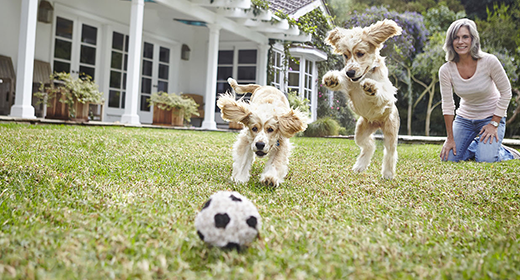
A: My personal preference is not to use food at all. When I have trained dogs for obedience, I have always used the verbal praise-reward method. It works well, especially with some dogs who are not motivated by food rewards.
Many people do use treat-based training with success, but I don't recommend offering table scraps as the treat. Giving a dog people food—in training or just as a general reward—may give the dog the idea that such food is fair game. It might encourage your pet to steal food from the table or from people, especially kids or guests.
In addition, many human foods can be toxic to dogs. These include chocolate, grapes, raisins, macadamia nuts, and xylitol (a sweetener often used in gum, candy, and baked goods).
As an alternative to table scraps, you could train your dog with snacks that are tasty, low in fat, and commercially prepared for training. But keep in mind that soft chew snacks may be high in sugar, which is bad for dental health. When shopping for treats, read package labels and choose premium varieties that list meat as the first ingredient.
Use only small amounts for training purposes—treats should not interfere with the consistency of a normal diet or greatly affect the caloric intake for the size and age of the dog. The training sessions should be short in length and repeated several times throughout the day. For young dogs, the training period should be no longer than five minutes.
Finally, the most important training tip is to keep it positive. If you're getting frustrated with your puppy's naturally short attention span, take a break. Strive to end the session on a positive note so your pet will be eager for the next time.
Janet Tobiassen, DVM, a veterinarian based in the state of Washington, has been practicing and writing about vet medicine since 1999. She started training dogs at age 12, through 4-H, and continued pet therapy and obedience training in veterinary school and beyond.
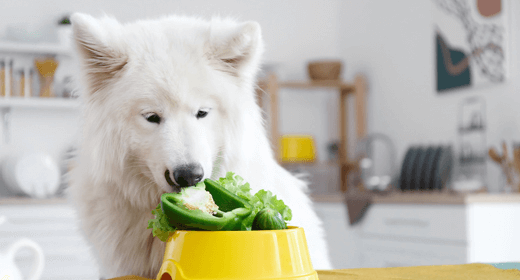
Your pooch’s diet defines its overall health and well-being. What it eats contributes to the amount of energy it has throughout the day. As a caregiver, it becomes your responsibility to provide the correct amount of nutrition and nourishment to your fur baby. Understanding the various components of your pet’s diet helps in providing them with the right nourishment.
Although everyone knows dogs need protein, carbohydrates, fat, vitamins, and minerals; did you know your canine friend also requires fiber in their diet? Even though fiber is not completely digestible it is an essential part of your pooch’s diet. High-fiber dog food aids in better digestion and bowel movement. Soluble fiber for dogs helps them in absorbing water. This type of fiber then gets fermented in their intestines to release fatty acids for better gut health. Other than soluble fiber, dogs also require insoluble fiber for better water absorption and digestion.
Fiber in dog food helps the dogs digest their food better. Proper digestion equates to better bowel movement and good gut and gastrointestinal health. Your canine friend’s food should contain at least 2-4% fiber to assist their gut health’s growth and development. Besides, fiber for dogs acts as an absorbing substance that collects excess water and acids. Given below are a few other benefits of fiber for dogs.
On average dogs need only 2-4% fiber in their daily diet. Anything beyond this measure can be considered excessive fiber consumption for dogs. While fiber is needed for better gut and gastrointestinal health, too much fiber for dogs can be a topic of concern. Given below are a few issues that may occur because of excessive fiber consumption.
Even if is fiber bad for dogs is a common query, the conclusion is fiber is needed for better digestion and gut health of your pooch. However, excess fiber consumption can lead to certain stomach and gut-related issues, while eating little to no fiber is also not a good choice. Avoiding fiber altogether can lead to the anal gland diseases and gut illness. Hence, as a pet parent, you must ensure your canine friend is provided with the right amount of fiber in their daily diet. Besides fiber dogs also need adequate amounts of protein, carbohydrates, and fat in their diet for consistent growth and development.