Enter a keyword below to search for articles and products.
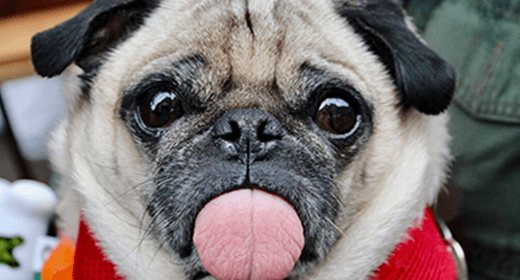
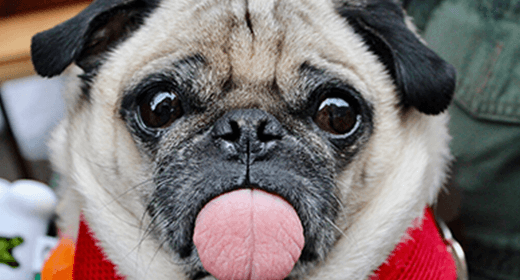
Worried that your small-breed dog is packing on the pounds? Run your hands along his backbone. You should be able to feel (but not see) his ribs. You also should see a clearly defined waist behind the ribs. If you can’t, follow these seven tips from Debra Eldredge, a veterinarian and co-author of “Dog Owner's Home Veterinary Handbook,” published by Howell Book House.
Before you put your overweight dog on a diet, schedule an appointment with the vet to make sure an underlying health problem isn’t causing the numbers on the scale to creep up.
Snacks and table scraps might account for your overweight dog’s bulging belly, Eldredge says. If curtailing in-between meals doesn’t make a difference, consider continuing with the same amount of food but switching to a different formula. Your vet can give you guidance.
Thawed frozen green beans, canned pumpkin (which is fiber-rich and filling) and cut-up carrots make satisfying, low-calorie snacks for your pet.
Apart from veggies feed them food high in nutrition. Check out the article that talks about nutritional needs of small breed dogs.
A study showed that dogs can count up to six or seven, Eldredge says. If he is accustomed to getting two small biscuits as a treat, break one biscuit into two pieces. By his count, he’s still getting two treats!
As much as your overweight dog loves treats, he also loves taking walks, playing and spending time with you. You also can replace biscuits with a couple of pieces of the kibble he would get during mealtime.
Is your bichon staring up at you with those beautiful eyes as you nibble on peanuts? He’s probably not hungry. As you have your snack, offer him a piece of kibble. If he turns it down, he’s not really hungry — he just wants your peanuts!
If your overweight dog has just a couple of pounds to lose, it can be hard to gauge whether he is making progress. Ask your clinic if it’s OK if you stop in once a week so he can step onto the doctor’s scale.


One essential component often overlooked in dogs’ diets is Vitamin C, a vital nutrient that plays a crucial role in their overall well-being. Understanding the benefits and proper dosage of Vitamin C for dogs can significantly contribute to their immune system, joint health, and overall vitality. In this blog, we will delve into the importance of incorporating Vitamin C into your canine companion's diet and how it can positively impact its long-term health and happiness.
Vitamin C, commonly known as ascorbic acid, is a vital nutrient that acts as the body's all-round defender and repair agent. This water-soluble superhero does wonders, promoting healthy bones, aiding in wound healing, and giving the immune system the strength, it needs to ward off pesky infections. Imagine it as the secret ingredient in the recipe for a robust and thriving body. It is abundantly present in a variety of tasty treats like juicy oranges, tangy strawberries, and vibrant bell peppers, making it a delicious and essential part of a well-balanced diet.
While our furry friends have the ability to produce their own vitamin C, there are times when they could use a little of this nutrient. Whether they are feeling a bit under the weather, entering their golden years, or experiencing significant life changes, a dash of vitamin C can provide the boost they need.
But when on the journey of learning if vitamin C is good for dogs, remember that like any good thing, too much can sometimes lead to an upset tummy or unwanted interactions with their medications. So, before you start loading up their bowls with citrus delights, it is always wise to have a chat with your trusted vet. With the right guidance, vitamin C can be the ultimate sidekick in your dog's quest for a vibrant and happy life.
Vitamin C is not just for humans; it can work wonders for our canine companions too. Vitamin C benefits for dogs range from bolstering their immune system to aiding in injury recovery. This superhero nutrient has a range of benefits that can significantly improve a dog's overall well-being in the following ways:
Research into the effects of vitamin C supplementation i9n canines suggests potential benefits worth considering:
However, while the scientific data presents promising insights, the application of vitamin C in canine diets should be approached with caution. Individual variations in metabolism and health conditions may influence the efficacy and tolerability of vitamin C supplementation in dogs. Consulting a veterinary professional to determine appropriate dosages and the suitability of supplementation based on a dog's specific health needs remains imperative for a safe and effective approach to integrating vitamin C into their regimen.
When it comes to ensuring your dog's optimal vitamin C intake, understanding the various supplement forms and appropriate dosages is crucial for their overall well-being. Here is a list of some:
Each of these supplement forms offers distinct benefits and flexibility, allowing pet parents to choose the most suitable option based on their dog's preferences and specific dietary requirements. It is important to consult a veterinarian to determine the most appropriate form and dosage for a dog's individual health and wellness needs.
Vitamin C holds a vital position in the realm of canine health, serving as a cornerstone for a well-functioning immune system and efficient tissue mending. Its multifaceted role in bolstering the body's defense mechanisms and fostering speedy recovery is essential in promoting a dynamic and thriving life for our canine companions. By contributing to the maintenance of robust connective tissues and actively participating in the repair of wounds, vitamin C proves indispensable in ensuring the sustained well-being and vitality of our beloved furry friends, underscoring the importance of its incorporation into their daily regimen.
As a key player in bolstering the immune system, promoting collagen synthesis, and providing essential antioxidant benefits, vitamin C plays a vital role in maintaining a dog's overall resilience. However, it is crucial to approach its supplementation with caution, consulting a veterinarian to determine the appropriate dosage and form suitable for your dog's specific needs. With mindful consideration and proper guidance, integrating vitamin C into your dog's diet can be a proactive step in fostering their long-term health and happiness. Regular monitoring and adjustments, alongside a balanced diet and ample exercise, contribute to a holistic approach in ensuring your beloved canine companion leads a vibrant and fulfilling life.