IAMS PH
Medium Breed Mature or Senior Dog’s Nutritional Needs

adp_description_block135
Medium-Breed Mature or Senior Dog’s Nutritional Needs

  • Share

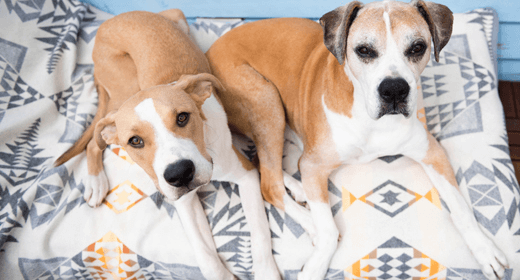
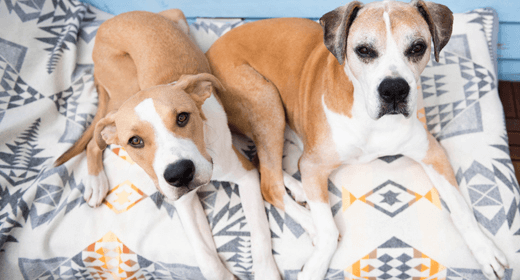
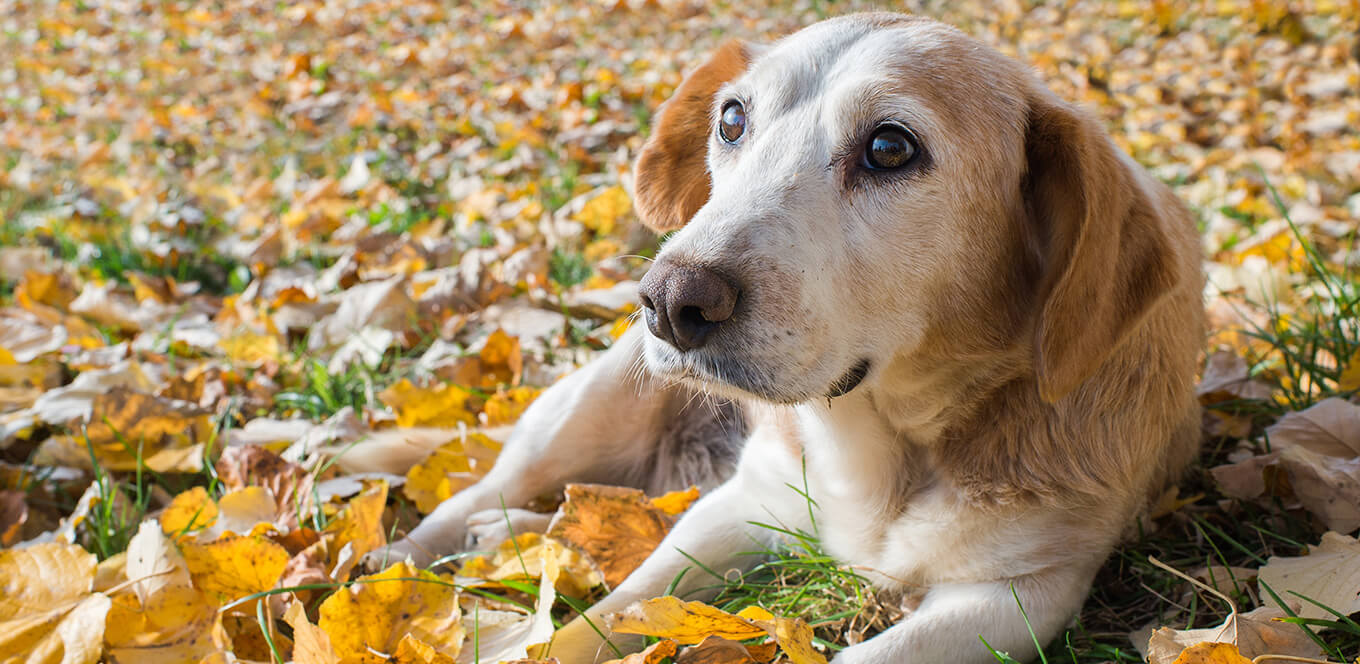
Unlike larger-breed dogs that are considered mature at age 5, medium-breed dogs are usually called mature or senior at age 7. By this time, their nutritional requirements are changing. You can help keep your medium-breed dog active, happy and healthy with a specially formulated mature or senior diet that delivers highly digestible, enhanced nutrition.


The Signs of Aging in Medium-breed Dogs

Your dog might be aging in a number of ways. He may have a dull, dry coat and flaky skin, declining activity or weight gain, decreased immune system response, more frequent intestinal problems, joint stiffness and a loss of lean muscle mass. It’s true that a mature or senior dog generally needs fewer calories, but to address special mature or senior concerns, your dog still needs high-quality protein and carefully balanced nutrients.


What to Look for in a Mature or Senior Diet

What your medium-breed dog needs is a high-quality, balanced maintenance food formulated for his changing metabolism. Look for options with these age-essential dietary components:

  • Vitamin-rich fish oils for healthy skin, a shiny coat and overall health
  • Antioxidants such as vitamin E and beta-carotene to help boost the immune system
  • High-quality animal-based protein sources to help maintain muscle mass
  • A special fiber source, such as beet pulp, to help maintain intestinal health and enhance your dog’s ability to absorb age-essential nutrients
  • A special carbohydrate blend of healthy grains for sustained energy

These ingredients are the keys to mature or senior nutrition whether you feed dry or wet dog food or give your dog treats.


Special Needs in Medium-breed Mature or Senior Dogs

Older, less active dogs are prone to weight gain. Controlling your dog’s weight can help minimize health complications such as diabetes or joint stress. Your dog can benefit from a weight-control diet with these key characteristics:
  • A reduced fat level that still offers essential nutrients for skin and coat health
  • L-carnitine, a key nutrient that helps burn fat and maintain muscle mass during weight loss
  • Special carbohydrate blends that help maintain energy while managing weight
  • Vitamin-rich fish oils for overall health

 article medium breed mature or senior dogs nutritional needs header
  • Puppy Basics: Health Care Essentials
    Puppy Basics: Health Care Essentials
    adp_description_block479
    Puppy Health Checklist

    • Share

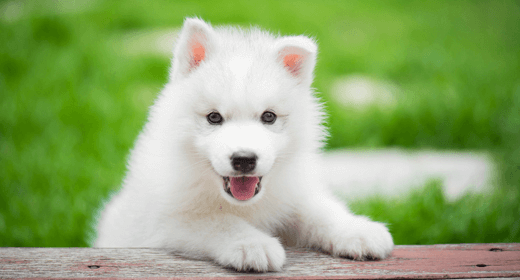
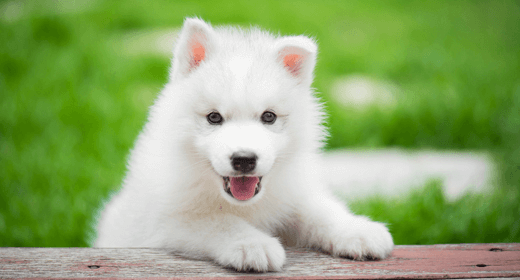
    Puppies like human babies need additional love, care, and support in their growing age. The first month of a new puppy is critical as it needs the best healthcare, nutrition, and love to grow into a healthy and cheerful dog. Puppy health becomes the primary responsibility of pet parents during this stage. They must ensure preventive care and medical support alongside providing proper nourishment. To know more about the puppy health checklist, read the following.
     

    Puppy health essentials

    Maintaining puppy health is the foremost important duty of every pet parent. Consulting a vet, vaccinating, neutering, and availing regular healthcare check-ups are a few duties of puppy caregivers. Similarly, other puppy preventive care includes:

    • Veterinarian visits: Taking an appointment to see a vet is the first thing puppy caregivers should do. Consulting the vet helps the pet parent understand their fur baby’s healthcare and behavioral requirements. The vet also conducts a thorough health check-up to diagnose the puppy’s allergies or health concerns. Besides, vets also give helpful insights on puppy preventive care and grooming tips to pet parents.Prepare for your puppy's first vet visit by making sure you're ready and well-informed about the experience.
    • Deworming: Worm and parasite treatment is necessary for puppies. Veterinarians often recommend a stool examination on the puppy’s first visit to diagnose worms and parasites. Worms are very common among puppies; hence, vets recommend a deworming session on the puppy’s first visit.
    • Vaccination: Like humans, puppies too need immunity to fight harmful viruses, bacteria, and diseases. To keep your puppy’s health in check, it is important to get them vaccinated against harmful diseases like hepatitis, distemper, rabies, parainfluenza virus, parvovirus, and Bordetella. Make sure that you go through the puppy vaccination guide before consulting your vet. This will help you jot down any questions regarding the vaccination process and schedule. However, as a pet parent, you must know that vaccination is not limited to puppies, adult and senior dogs also need booster shots to fight back fatal diseases.
    • Flea treatment: Ticks and fleas are extremely common in puppies. Getting your puppy treated for fleas and ticks is important for their hygiene and well-being. These parasites treat your fur baby as a host to feed on its blood and suck away all essential nutrients away from its body. Besides, fleas and ticks also cause a lot of irritation to puppies. So, frequent ticks and flea treatment is recommended for the puppy’s health.
    • Health and exercise: Puppies are playful and energetic. Pet parents can build a healthy routine for their fur babies by dedicating a fixed time for walks and playtime. Doing so will keep the puppy entertained and healthy. Spending playtime with the puppy will also help you to establish a strong bond with it. Besides, this also aids in observing the puppy to gauge its development, health, and mood.
    • Balanced diet: Puppies need more energy as they are constantly growing. However, their anatomy is way smaller than the amount of energy they require. Therefore, pet parents need to ensure puppies are fed a well-balanced, nutrient-dense diet. Protein, fiber, vitamins, minerals, and carbohydrates are some essential nutrients required for a puppy’s physical well-being. Moreover, puppies should be fed at least 3 to 4 meals a day to support their nutritional requirements for healthy growth With IAMS™ puppy food, you can provide your pooch with a nutritionally balanced meal for healthy growth and development. Thanks to our best-quality ingredients, you do not have to worry about digestibility.

    Puppy medical care

    Medical and preventive care is extremely necessary for puppies. Younger puppies are too small to understand what is good or bad for them. Besides, they are also very curious, playful, and energetic during their initial years. This playful and curious nature can sometimes lead to harmful situations.


    Puppies often play and munch on random objects, which can sometimes result in toxication. In fact, accidents are also common in puppies as they lack cognitive skills to measure the consequences of their action. Hence, pet parents should pay more attention to their puppy’s growth and development. Some essential puppy health recommendations are as mentioned:

    • Finding a vet: Taking your pup for regular health check-ups is essential for a its adequate growth and development. Consulting a veterinarian will provide useful insights and health tips for the puppy’s well-being. However, before visiting a vet, you should check important details like the doctor’s experience, speciality, and location. You need an experienced vet in or around your vicinity.
    • Health check-up: On visiting the vet, request a few tests to diagnose and treat any abnormalities or diseases. Stool test for internal parasites and head-to-tail examinations for inspecting the puppy’s fur, eyes, ear, mouth, and body are conducted by the vet during your initial visits to diagnose and treat health issues.
    • Feeding medicines: Veterinary doctors prescribe medication or supplements for treating any underlying illness and replenishing vitamin deficiency in puppies. However, feeding medicines to puppies or dogs is not an easy task. Follow the steps given below to learn how to successfully feed medicines to puppies.
    1.  Step 1: Start with a play session to relax the puppy. Praise it for good behavior and sit nearby once it calms down.
    2.  Step 2: Keep the pill ready in one hand and gently open the puppy’s mouth using your free hand.
    3.  Step 3: Place the pill at the far end of your puppy’s tongue and remove your hand. Now, quickly hold your puppy’s mouth shut and blow gently on its nose. Blowing air on the puppy’s nose will force it to swallow the pill.
    4. Step 4: Offer the fur baby a treat for good behavior and resume playtime

    Apart following puppy health checklist, pet parents also need to ensure their fur baby is provided with other basic facilities for their overall growth and development. Training and socializing are as important as providing the best healthcare.
     

    Besides, potty training and command training establishes hygiene and good behavior in them from a young age. To conclude, puppy health, fitness, and training are some of the most essential aspects for the overall growth and development of puppies.
Close modal