IAMS PH
Important Nutrients in Our Dog Foods

adp_description_block211
Important Nutrients in Our Dog Foods

  • Share

Nutrients are divided into subcategories: protein, carbohydrates, fats, vitamins and minerals, and water. Regular brushing and professional cleaning can keep your dog’s teeth healthy and gleaming. Giving your pet appropriate toys to chew prevents fractures.

Protein

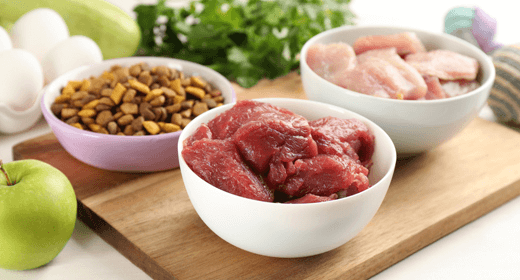
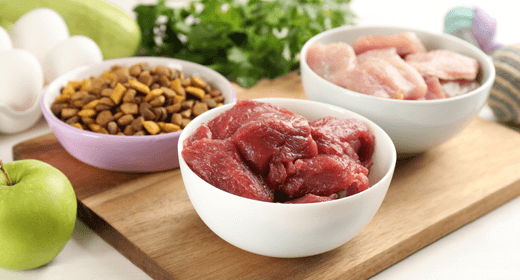
Common dog food protein sources include meat, poultry, fish, and some plant ingredients, such as corn gluten and soybean meal.

IAMS™ dog food incorporates chicken as a primary ingredient in all of its products, providing dogs with a rich and complete source of protein.

Protein is best known for supplying amino acids to build hair, skin, nails, muscles, tendons, ligaments, and cartilage. It also plays a main role in hormone production.

Dogs, best fed as carnivores, require essential amino acids that are not all found in the proper balance in single plant protein sources such as soybean meal.

 
Carbohydrates

Common carbohydrate sources are plants and grains. Carbohydrates, also categorized as starches (sugars) and fibers, provide energy and bulk, respectively.

Starches are made up of various types of sugar, such as glucose or fructose. Through digestion, dogs can easily convert sugar into usable energy.

 
Fiber

Fiber may or may not be fermented or broken down into short-chain fatty acids by bacteria in a dog’s intestines. Highly fermentable fiber sources, such as vegetable gums, provide high amounts of short-chain fatty acids. Moderately fermentable fibers, such as beet pulp, provide short-chain fatty acids and bulk for moving waste. Slightly fermentable fibers, such as cellulose, provide mainly bulk for moving waste through the digestive tract and only a few short-chain fatty acids. Highly fermentable fiber sources

Water

Water is the single most important nutrient for the body. Without it, the body cannot transport nutrients, digest nutrients for energy, regulate temperature, or eliminate water.


Fats

Fats are found in meats, poultry, fish, and plant oils. Fat, for all its bad press, fulfills many vital body functions. Animal cell membranes are made of fat. Fat also helps maintain body temperature, control inflammation, and more. Fat is the primary form of stored energy in the body, providing twice as much energy as carbohydrates or proteins.

Fats also have been shown to be important in blood clotting and managing inflammation.

 
Vitamins & Minerals

Vitamins are responsible for aiding functions such as bone growth, blood clotting, energy production, and oxidant protection. Vitamins A, D, E, and K require fat for absorption into the body, while vitamins such as the B-complex vitamins and vitamin C need water to be absorbed into the body.

Minerals provide skeletal support and aid in nerve transmission and muscle contractions.

  • Keeping Your Dog Safe from Fleas and Ticks
    Keeping Your Dog Safe from Fleas and Ticks
    adp_description_block90
    Keeping Your Dog Safe from Fleas and Ticks

    • Share

    Dogs bring us immense joy and companionship, and we naturally want them to live happy and healthy lives. However, a hidden threat lurks in the shadows, capable of jeopardizing the health of our furry friends: infestations of fleas and ticks. These tiny parasites, barely visible to the naked eye, pose a significant danger, requiring our vigilance and prompt action to protect the ones we love.
     

    Lifecycle of fleas and ticks

    To effectively protect your dog, it's crucial to understand the lifecycles of these parasites.
     

    Fleas:

    Fleas have a four-stage life cycle:

    • Egg: Adult female fleas lay eggs on your dog after feeding. These eggs are tiny, white, and fall off into the surrounding environment, often carpets, bedding, and cracks in the floor.
    • Larva: After hatching, the flea larvae become small, worm-like creatures that feed on organic matter in their environment.
    • Pupa: Larvae eventually spin a protective cocoon and enter the pupal stage. This stage can be dormant for months, making them difficult to eliminate.
    • Adult: Adult fleas emerge from the pupae, ready to jump onto your dog, feed on their blood, and lay eggs, restarting the cycle.

    Ticks:

    Ticks, while different in their lifecycle, pose a similar threat. They follow these stages:

    • Egg: Adult female ticks lay thousands of eggs in the environment, often in tall grass or wooded areas.
    • Larva: After hatching, tick larvae are six-legged and actively seek a host. They climb onto a dog's body and feed on its blood for several days before dropping off to molt.
    • Nymph: The larvae develop into eight-legged nymphs, requiring another blood meal to grow.
    • Adult: Adult ticks seek a final blood meal, attaching to a dog and feeding for several days before detaching to mate and lay eggs, completing the cycle.

    Symptoms of flea and tick infestation

    Early detection is key in managing these parasites.
     

    Fleas on dogs:

    Fleas are small, wingless insects that feed on the blood of dogs. They can cause various problems for your dog, including:

    • Excessive scratching: This is the most common symptom of fleas on dogs. The itching is caused by the flea bites and the allergic reaction your dog's skin has to the flea saliva.
    • Hair loss: Fleas can cause hair loss, especially around the base of the tail and on the belly.
    • Irritated skin: Flea bites can cause red, irritated skin.
    • Pale gums: In severe cases of flea infestation, your dog may develop anemia, which can cause pale gums.
    • Flea dirt: Flea dirt refers to the waste produced by fleas. It looks like small, black specks and can be found in your dog's fur or on their bedding.

    Ticks on dogs:

    Ticks are larger than fleas and have eight legs. They latch onto your dog's skin and feed on their blood. Ticks can transmit various diseases to dogs, including Lyme disease, anaplasmosis, and Rocky Mountain spotted fever. Here are some signs of ticks on your dog:

    • Visible ticks: Ticks are usually easy to spot. Look for them on your dog's head, neck, ears, paws, and groin.
    • Red, swollen bumps: Ticks leave a red, swollen bump on your dog's skin after they have attached themselves.
    • Lethargy: Your dog may seem lethargic or tired if they have a tick infestation.
    • Fever: A fever can be a sign that your dog has a tick-borne illness.

    Treatments for fleas and ticks

    Once you've identified an infestation, prompt and effective treatment is essential.
     

    Dog flea treatment:

    When dealing with fleas on dogs, a multi-pronged approach is often necessary. Here are some effective options:

    • Oral medications: These chewable tablets offer long-lasting protection against fleas and are easy to administer.
    • Topical treatments: These spot-on solutions are applied directly to your dog's skin between the shoulder blades. They provide effective flea control and may also repel ticks.
    • Flea shampoos and sprays: While not as long-lasting as oral medications or topical treatments, these products can help kill existing fleas on your dog. They can also be used in conjunction with other treatments for a more comprehensive approach.

    Consulting your veterinarian is crucial when choosing a flea treatment, as they can recommend the most appropriate option based on your dog's age, breed, and specific needs.
     

    Dog tick treatment:

    If you find a tick attached to your dog, it's essential to remove it promptly and safely. Here's how:

    • Use a pair of fine-tipped tweezers, ensuring to grip the tick as near to the skin's surface as feasible.
    • Gently yet firmly extract the tick using a straight, steady motion. Avoid twisting or crushing the tick, as this can release more saliva into the bite.
    • Once the tick is removed, place it in a sealed container and dispose of it properly. Do not crush it or flush it down the toilet.
    • Clean the bite site with alcohol or antiseptic wipes.

    Monitor your dog for any signs of infection, such as redness, swelling, or fever. If you notice any concerns, consult your veterinarian immediately.
     

    Important tip: Avoid using home remedies like petroleum jelly or matches to remove ticks, as these can cause the tick to release more saliva and potentially increase the risk of disease transmission.
     

    Flea and tick prevention for dogs

    A proactive approach is the best way to protect your dog from these pests.
     

    Early detection and elimination:

    • Regular checks: Inspect your dog's fur and skin, particularly around the head, ears, neck, and armpits, for signs of fleas or ticks on dogs.
    • Grooming: Brushing your dog regularly helps remove fleas and debris, making it easier to spot potential infestations.
    • Thorough cleaning: Wash your dog's bedding and regularly vacuum your home to eliminate any existing fleas and prevent future infestations.

    Proactive protection:

    • Year-round prevention: Don't let your guard down during cold weather. Fleas and ticks can survive indoors and remain active throughout the year.
    • Environmental treatment: If you suspect a flea or tick infestation in your home or yard, consult a pest control professional for effective treatment.
    • Travel precautions: Be extra vigilant when traveling with your dog, as new environments may harbor different parasite populations.

    Protecting your dog from fleas and ticks is crucial for their health and well-being. By implementing a regular prevention routine, combining medication with vigilance and proper hygiene, you can keep your furry friend safe and comfortable. Remember, consulting your veterinarian for personalized advice is the best way to ensure the most effective approach for your dog's specific needs.

Close modal