Enter a keyword below to search for articles and products.
If you own a dog, chances are, you deal with the nuisance of shedding fur. Fortunately, there are some easy ways to help keep your dog's shedding to a manageable level.
If you own a dog, chances are, you deal with the nuisance of shedding fur. Fortunately, there are some easy ways to help keep your dog's shedding to a manageable level.
The main factor related to how much your dog sheds is which breed you own. Certain breeds, such as Yorkshire Terriers and Poodles, hardly shed at all, and are especially well suited for people who suffer from dander-related allergies. But if one of these hypoallergenic breeds is not your dog of choice, then chances are you deal with some amount of shedding. Here are some practical tips to deal with all of that hair.
Many dogs are seasonal shedders. As the temperatures begin to drop, so does the fur. Dogs shed their summer coats in the fall as their winter coats come in. The best way to deal with this is to be prepared. Brush your dog more often and vacuum more frequently. This will keep that extra hair from becoming too unmanageable.
Dogs also will go through their own version of spring cleaning. When the temperatures begin to rise in the spring, dogs will begin shedding that extra winter hair. Again, preparation is the key. Regular brushing and vacuuming will help you get through these “hairy” times.
Between the millions of strands of hair constantly growing, some breeds of dogs grow up to a total of 100 feet of fur per day! But, while your dog might not boast those kinds of hair-growth numbers, constantly replacing fur still places a demand on a dog’s system. Thirty percent of a dog's protein needs go toward hair growth. If a dog is not receiving proper nutrition, the dog's body will put the protein he's receiving toward maintaining muscle mass, leaving the coat to suffer.
A healthy, shiny coat is not only a sign of proper nutrition, but it also sheds less than an unhealthy coat. Premium dog food like IAMS™ ProActive Health™ provides dogs with the nutrients they need to keep their coat healthy, which means less shedding.
Brushing doesn't have to be a necessary evil. Train your dog to enjoy brushing, offering frequent praise during the process, and maybe even a treat at the end. This is easiest done from the time your dog is a puppy, but older dogs can be taught to enjoy brushing as well. The importance of brushing cannot be overemphasized. Just look at all the hair that ends up in the brush, and realize if it weren’t in the brush, it would be on your couch, floor, and perhaps, bed.
Be sure you're using the right kind of brush for your dog's coat. Breeds with thick undercoats need a specific type of brush, while longhaired breeds need a comb.
Last but not least, make sure to give your dog an occasional bath. Aside from the obvious benefit of having a clean, good-smelling pooch, your dog's coat will also benefit. Be warned though: Bathing your dog too frequently washes away the natural oil on his skin and coat, resulting in dry skin and, you guessed it, more shedding.
Committing the time to maintaining your dog's coat will help keep his shedding under control. Frequent brushing and vacuuming, and feeding your dog a balanced diet such as IAMS ProActive Health Adult MiniChunks will have you worrying less about an overabundance of hair and more time enjoying your furry friend.


Obesity in dogs is a more common problem than you might think. Between 25% and 40% of dogs are overweight, but often, owners don’t realize it until they take their dog to the veterinarian for another reason. Yet even vets can’t tell if a dog is obese by their weight alone. Ideal weight varies by breed, and quite widely within breeds.(Did you know, for instance, that Labrador retrievers, dachshunds and beagles areall prone to obesity?) In short, there’s no ideal healthy weight chart for all dogs!
The good news is that if your dog is overweight, there are a number of ways to help them reach a healthy weight. Don’t underestimate the power of daily walks and a weight management dog diet — IAMS™ Adult Healthy Weight can help return your dog to a healthy weight, providing a path to help keep them fit for life.
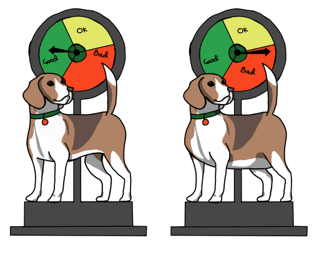
Can you feel individual ribs easily? Is your dog’s abdomen slightly tucked up whenviewed from the side? That’s a sign your dog is at their ideal weight.
If you can't feel the ribs easily, your dog has no waist and their abdomen drags,your pup is carrying extra weight. Your veterinarian can help you further evaluateyour dog’s condition and determine their ideal weight.
Dogs gain weight for the same reason people do: They eat more calories than theyuse. Today’s dogs share another problem with their human parents: lack of activity.Many pet parents work all day and are too tired to play with their dog afterward.
Dogs’ metabolisms might slow as they age or after they’re spayed or neutered,which means they require less food. Another common reason for weight gain isfrequently eating high-calorie treats. Sometimes more than one family member isfeeding the dog, and the dog sure isn’t telling!
Other factors that could contribute to canine obesity include:
If you suspect that your dog is overweight or obese, the !rst step is to set up anappointment with your veterinarian so they can evaluate their condition. Likewise,before beginning any weight loss program with your dog, make sure to discuss itwith your vet.
If your dog is overweight, it’s time to implement a weight-management regimen. Ifyou usually feed one large meal a day or keep food available at all times, try adifferent dog-feeding schedule by dividing the daily ration into several small meals— at least two meals a day. It takes energy to digest food, and dividing your dog’sdaily ration into separate feedings will help. If your dog leaves any food in theirbowl, pick it up 30 minutes after each meal.
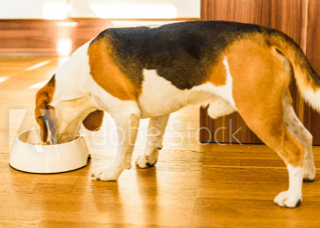
Your goal is to help your dog be healthier, so select their food carefully. Payattention to the ratio of fat, !ber, protein, carbohydrates and special ingredients inyour dog’s weight-management food:
After your dog reaches their ideal weight, select a maintenance food to keep theirweight steady.
Losing weight isn’t easy. Changing habits is the key. Here are some ways you can
help keep your dog on track:
A total weight-management program can lead to successful weight loss inoverweight or obese dogs. Remember: Your support is essential to your dog’sweight-control success.