Enter a keyword below to search for articles and products.
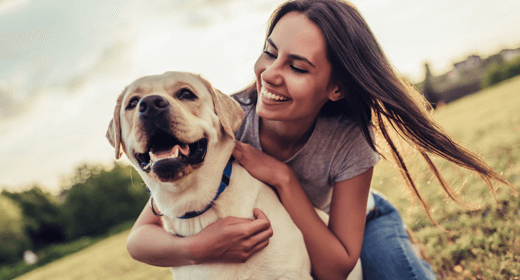
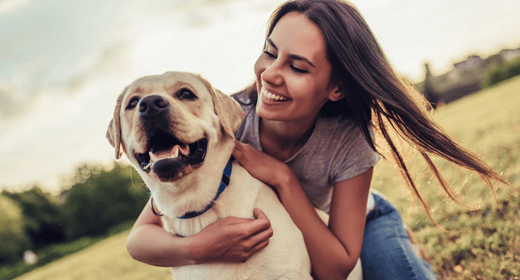
If you own a dog, chances are, you deal with the nuisance of shedding fur. Fortunately, there are some easy ways to help keep your dog's shedding to a manageable level.
If you own a dog, chances are, you deal with the nuisance of shedding fur. Fortunately, there are some easy ways to help keep your dog's shedding to a manageable level.
The main factor related to how much your dog sheds is which breed you own. Certain breeds, such as Yorkshire Terriers and Poodles, hardly shed at all, and are especially well suited for people who suffer from dander-related allergies. But if one of these hypoallergenic breeds is not your dog of choice, then chances are you deal with some amount of shedding. Here are some practical tips to deal with all of that hair.
Many dogs are seasonal shedders. As the temperatures begin to drop, so does the fur. Dogs shed their summer coats in the fall as their winter coats come in. The best way to deal with this is to be prepared. Brush your dog more often and vacuum more frequently. This will keep that extra hair from becoming too unmanageable.
Dogs also will go through their own version of spring cleaning. When the temperatures begin to rise in the spring, dogs will begin shedding that extra winter hair. Again, preparation is the key. Regular brushing and vacuuming will help you get through these “hairy” times.
Between the millions of strands of hair constantly growing, some breeds of dogs grow up to a total of 100 feet of fur per day! But, while your dog might not boast those kinds of hair-growth numbers, constantly replacing fur still places a demand on a dog’s system. Thirty percent of a dog's protein needs go toward hair growth. If a dog is not receiving proper nutrition, the dog's body will put the protein he's receiving toward maintaining muscle mass, leaving the coat to suffer.
A healthy, shiny coat is not only a sign of proper nutrition, but it also sheds less than an unhealthy coat. Premium dog food like IAMS™ ProActive Health™ provides dogs with the nutrients they need to keep their coat healthy, which means less shedding.
Brushing doesn't have to be a necessary evil. Train your dog to enjoy brushing, offering frequent praise during the process, and maybe even a treat at the end. This is easiest done from the time your dog is a puppy, but older dogs can be taught to enjoy brushing as well. The importance of brushing cannot be overemphasized. Just look at all the hair that ends up in the brush, and realize if it weren’t in the brush, it would be on your couch, floor, and perhaps, bed.
Be sure you're using the right kind of brush for your dog's coat. Breeds with thick undercoats need a specific type of brush, while longhaired breeds need a comb.
Last but not least, make sure to give your dog an occasional bath. Aside from the obvious benefit of having a clean, good-smelling pooch, your dog's coat will also benefit. Be warned though: Bathing your dog too frequently washes away the natural oil on his skin and coat, resulting in dry skin and, you guessed it, more shedding.
Committing the time to maintaining your dog's coat will help keep his shedding under control. Frequent brushing and vacuuming, and feeding your dog a balanced diet such as IAMS ProActive Health Adult MiniChunks will have you worrying less about an overabundance of hair and more time enjoying your furry friend.
Switching your dog to a new food takes some planning. Because dogs are creatures of habit, they tend to prefer their current food to a new food. Like us, they become accustomed to a food and might not be thrilled about a new routine. These useful dog-feeding tips will help you keep your dog satisfied.
When easing your dog into a change in diet, think “slow and steady.” Start by mixing 25% new food with 75% current food. Slowly change the proportions over the next three days or so by gradually increasing the new food and lessening the amount of the current food. Here’s a sample feeding schedule:
At the end of this weaning process, you should be feeding 100% of the new food. Your dog may want to eat only the old food, or not eat at all. Don’t worry — a healthy dog can miss meals for a day or two with no ill effects.
Bringing a new food into your home, pouring it into your dog’s bowl and declaring that he should eat it might cause your dog to go on a hunger strike. This is not the time to show who’s boss. It’s better to introduce the new food by using a pleasant tone of voice and gently encouraging him to try the new food.
Persistence is key! For the first two days of the food transition, don’t give your dog treats or table scraps. Dogs train us as much as we train them. Giving in to their demands only reinforces refusal behavior and makes it more difficult to make a nutritious dietary change.
Switching diets may be more challenging when changing from a moist food to a dry food. If your dog continues to resist eating dry food, mix in a little warm water. You might even want to put the moistened food in the microwave for a few seconds. If you mix the food with water, be sure to throw away the uneaten portion after 20 minutes to prevent spoilage. The same rule applies for canned and pouch food. After the dog has become accustomed to the moistened food, you can wean him onto completely dry food. To do this, follow the same mixing instructions outlined above.