Enter a keyword below to search for articles and products.
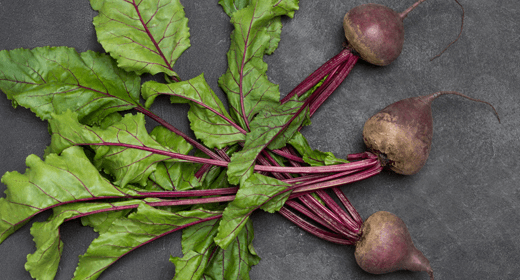
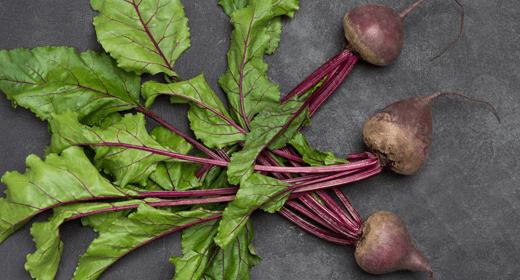
Beet pulp is the material that remains after sugar is extracted from sugar beets—not red beets. Beet pulp is a source of fiber in dog diets.
Fiber can be classified as nonfermentable and fermentable. Nonfermentable fiber remains undigested as it passes through the intestines, thereby providing bulk to move wastes out. Cellulose is a nonfermentable fiber.
Fermentable fiber is broken down in the intestines into short-chain fatty acids that provide energy for cells lining the intestine.
Moderately fermentable fiber does both: It provides bulk to move waste and provides energy for cells lining the intestine. Beet pulp is a moderately fermentable fiber.
'Beet pulp is harmful.'
Beet pulp contains no toxins and is a very safe fiber source.
'Beet pulp affects coat color.'
There is nothing in beet pulp that can affect coat pigment. The inside is light in color. The outside peel, which is dark, is not used.
'Beet pulp contains sugar.'
By definition, beet pulp is the material that remains after the sugar is removed from sugar beets. Therefore, beet pulp contains no sugar.
'Beet pulp causes bloat.'
Bloat (gastric dilatation-volvulus or GDV) is related to a stomach defect that delays emptying. It is believed that bloat is not related to diet or ingredients, such as beet pulp. However, the cause of bloat remains unknown.


Traditionally, owners of large-breed and mature/senior dogs have known that their dogs may be predisposed to common joint and skeletal conditions—problems that may affect their mobility and overall wellness. The good news is that specially formulated diets and dog care products can help promote skeletal and joint health and assist in maintaining healthy cartilage.
Including specific nutrients in your dog's diet can help maintain healthy joints. Optimal levels of vitamins and minerals are found in IAMS™ dog care products and promote the efficient production of cartilage.
IAMS has formulas that are lower in fat and calories compared with our other adult maintenance formulas. Bones are the framework of the body, and the more weight added to the frame, the more stress joints experience. IAMS formulas such as IAMS™ ProActive Health™ Mature Adult are designed to help keep large-breed or mature dogs at an optimal weight to minimize joint stress.