Enter a keyword below to search for articles and products.
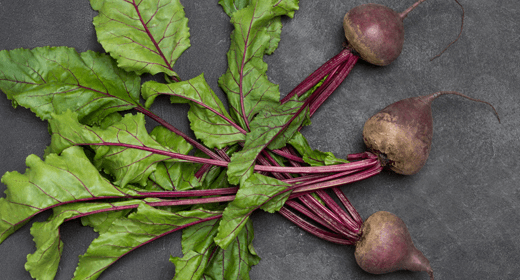
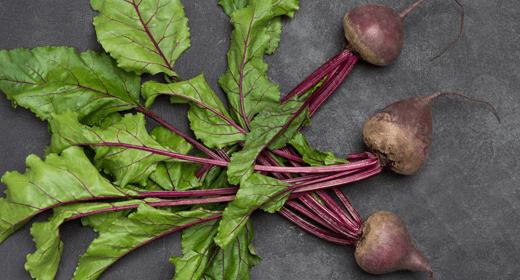
Beet pulp is the material that remains after sugar is extracted from sugar beets—not red beets. Beet pulp is a source of fiber in dog diets.
Fiber can be classified as nonfermentable and fermentable. Nonfermentable fiber remains undigested as it passes through the intestines, thereby providing bulk to move wastes out. Cellulose is a nonfermentable fiber.
Fermentable fiber is broken down in the intestines into short-chain fatty acids that provide energy for cells lining the intestine.
Moderately fermentable fiber does both: It provides bulk to move waste and provides energy for cells lining the intestine. Beet pulp is a moderately fermentable fiber.
'Beet pulp is harmful.'
Beet pulp contains no toxins and is a very safe fiber source.
'Beet pulp affects coat color.'
There is nothing in beet pulp that can affect coat pigment. The inside is light in color. The outside peel, which is dark, is not used.
'Beet pulp contains sugar.'
By definition, beet pulp is the material that remains after the sugar is removed from sugar beets. Therefore, beet pulp contains no sugar.
'Beet pulp causes bloat.'
Bloat (gastric dilatation-volvulus or GDV) is related to a stomach defect that delays emptying. It is believed that bloat is not related to diet or ingredients, such as beet pulp. However, the cause of bloat remains unknown.
Oral care is a key component of your pet’s overall health: A smart regimen can help prevent the development of serious conditions. Keeping your pet’s teeth clean and bacteria-free results in more than just healthy teeth and fresh breath. With a little know-how and effort, you can protect your pet for a lifetime of companionship.
Tartar and gingivitis are the most common problems seen by veterinarians. The majority of dogs will develop these problems. Unchecked, these can lead to periodontitis and serious health concerns for your pet, up to and including, tooth loss and serious illness. But you can take action to control this and promote good oral health by incorporating the 3Ds: Daily Brushing, Dentistry. and Diet.
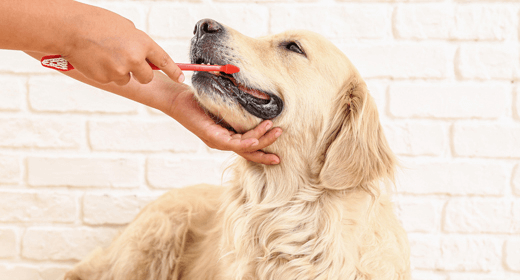
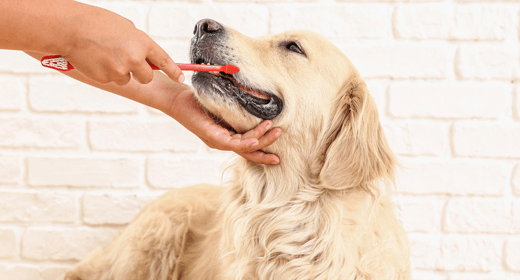
Daily brushing of your pet’s teeth will remove plaque and slow the development of tartar. When first beginning to brush, be gradual and make it a pleasant experience. Start by using your finger. Later, introduce a toothbrush. Be sure to praise and reassure your pet while brushing. Also, reward your pet afterward with play or a walk.
Talk with your veterinarian about annual or semiannual teeth cleaning—a dental prophylaxis or prophy for short. Teeth cleaning, performed by your veterinarian, is the only way to remove tartar.
Diet is important to good oral health. The mechanical, brushing action of dry, crunchy kibbles helps remove plaque and works to scrub teeth clean. Some diets also might include ingredients such as hexametaphosphate (HMP) that can help block tartar formation. Diet, daily brushing, and dentistry helps break the plaque-to- tartar cycle and optimize oral health.