Enter a keyword below to search for articles and products.
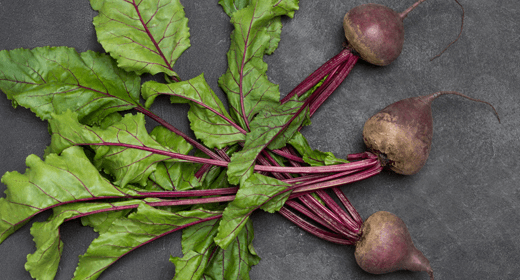
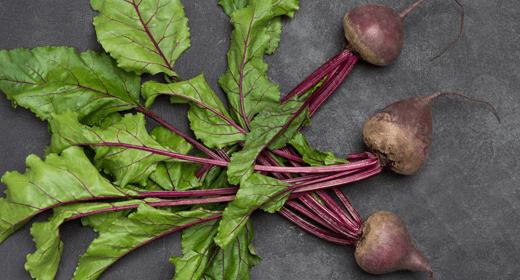
Beet pulp is the material that remains after sugar is extracted from sugar beets—not red beets. Beet pulp is a source of fiber in dog diets.
Fiber can be classified as nonfermentable and fermentable. Nonfermentable fiber remains undigested as it passes through the intestines, thereby providing bulk to move wastes out. Cellulose is a nonfermentable fiber.
Fermentable fiber is broken down in the intestines into short-chain fatty acids that provide energy for cells lining the intestine.
Moderately fermentable fiber does both: It provides bulk to move waste and provides energy for cells lining the intestine. Beet pulp is a moderately fermentable fiber.
'Beet pulp is harmful.'
Beet pulp contains no toxins and is a very safe fiber source.
'Beet pulp affects coat color.'
There is nothing in beet pulp that can affect coat pigment. The inside is light in color. The outside peel, which is dark, is not used.
'Beet pulp contains sugar.'
By definition, beet pulp is the material that remains after the sugar is removed from sugar beets. Therefore, beet pulp contains no sugar.
'Beet pulp causes bloat.'
Bloat (gastric dilatation-volvulus or GDV) is related to a stomach defect that delays emptying. It is believed that bloat is not related to diet or ingredients, such as beet pulp. However, the cause of bloat remains unknown.


In the realm of pet care and canine health, vitamin B for dogs emerges as one of the most important. While they might not always garner as much attention as other nutrients, the impact of vitamin B on your dog's well-being is profound. From supporting energy metabolism to promoting a healthy coat, the B-complex vitamins play a crucial role in keeping your furry friend in top-notch condition. Join us as we delve into the world of vitamin B for dogs, exploring its multifaceted benefits and uncovering the sources that can contribute to your pup's overall vitality.
Vitamin B is a group of water-soluble vitamins, including B1 (thiamine), B2 (riboflavin), B3 (niacin), B5 (pantothenic acid), B6 (pyridoxine), B7 (biotin), B9 (folate), and B12 (cobalamin). These act as coenzymes, partnering with enzymes to facilitate critical biochemical reactions that drive cellular processes. For instance, they are pivotal in the breakdown of nutrients, ensuring that the energy derived from food is efficiently utilized by your dog's body. Additionally, B-complex vitamins are key players in the synthesis of neurotransmitters, aiding in the transmission of signals between nerve cells and supporting cognitive function. While dogs can produce some B vitamins internally, a well-rounded diet with external sources ensures they receive optimal levels, fortifying their biological functions and contributing to a vibrant and energetic life.
Absolutely, dogs not only can but should have vitamin B as an integral component of their dietary intake. While dogs possess the capability to internally synthesize certain B vitamins, such as B3 and B6, others like vitamin B12 for dogs must be sourced from their diet. This dietary supplementation is crucial as these vitamins play pivotal roles in metabolic functions, nerve health, and the synthesis of essential biomolecules. Ensuring a consistent and balanced intake of vitamin B is a proactive measure to support your dog's overall health, contributing to its vitality.
Certainly, vitamin B is exceptionally beneficial for dogs. Each B vitamin plays a distinctive role in supporting various facets of your dog's health, encompassing crucial functions such as energy production, cognitive well-being, and the maintenance of a glossy coat. Dogs experiencing deficiencies in specific B vitamins might manifest symptoms such as lethargy, lackluster coat condition, and, in severe cases, neurological issues. Prioritizing the incorporation of an appropriate amount of vitamin B into your dog's diet is pivotal for sustaining its vitality, promoting optimal organ function, and ensuring they lead a vibrant and active life.
In the often-underestimated landscape of canine nutrition, the B-complex vitamins emerge as silent yet vital allies. Before we unravel their diverse benefits, ranging from promoting energy metabolism to supporting skin and coat health, let us delve into the crucial role of vitamin B for puppies and dogs in their overall well-being.
B vitamins play a key role in converting food into energy. Thiamine (B1), riboflavin (B2), niacin (B3), pantothenic acid (B5), and pyridoxine (B6) contribute to the metabolic processes that provide energy for your dog's daily activities. A well-regulated energy metabolism ensures that your canine companions maintain an optimal level of activity and vitality throughout their daily routines.
B vitamins are essential for maintaining a healthy nervous system. They play a role in nerve function and help prevent neurological issues in dogs. Ensuring a sufficient intake of B vitamins promotes not only a robust nervous system but also contributes to improved cognitive function, fostering a sharper and more alert companion.
Biotin (B7) is particularly known for its role in promoting skin and coat health. A biotin deficiency can lead to skin problems and a dull coat. Incorporating biotin-rich foods into your dog's diet not only enhances its appearance but also contributes to overall well-being, ensuring a radiant and healthy coat.
Vitamin B9 and vitamin B12 benefits for dogs include the formation of red blood cells, which are vital for oxygen transport throughout the body. Adequate levels of these B vitamins contribute not only to your dog's physical endurance but also support its overall cardiovascular health, ensuring efficient oxygenation of tissues.
Several B vitamins, including folate and cobalamin, are involved in cell division, contributing to the growth and maintenance of tissues. This intricate role in cell division highlights the importance of B vitamins in the ongoing repair and renewal processes within your dog's body, promoting longevity and sustained health.
Ensuring your dog receives an ample supply of B-complex vitamins involves incorporating a variety of nutrient-rich foods into its diet. Here are some canine-friendly options:
In the nutritional narrative for our canine friends, the B-complex vitamins are heroes, weaving a tale of energy, vitality, and overall well-being. As you curate meals, let the B vitamins take center stage, offering not just nourishment but a key ingredient in the recipe for a thriving, tail-wagging companion.