Enter a keyword below to search for articles and products.
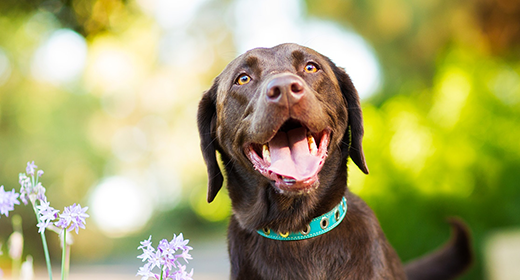
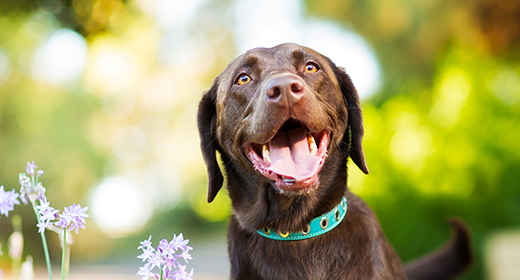
As a veterinarian, I’ve found that pet owners take seriously the responsibility of ensuring their dogs live healthy, happy lives. They worry about making sure their dog gets enough exercise, receives regular wellness checks and receives balanced nutrition that gives them energy to run and play.
What some people don’t realize is that owning and caring a dog can improve the owner’s health as well. Spending quality time with your dog and providing them with quality nutrition is good for the dog and can help ease stress and anxiety levels for you. Studies have shown that owning a pet can decrease blood pressure, cholesterol levels and triglyceride levels — which is great news for your heart health.
In short, when your dog is getting the best care, proper exercise, nutrition and love, they can enjoy a long and healthy life. And that can ultimately make you healthier, too!
Many owners see their dog as part of the family, and that sometimes means they will feed their dog like they feed themselves. For example, some people may choose low-carb or gluten-free diets for themselves and do the same for their pets. However, while this instinct comes from a place of love, many owners don’t realize that their dog’s dietary needs differ from their own.
Take grains for example. As a veterinarian, it’s important for me to note that grains are good for your dog. Yes, you read that right — they’re good!
A very small percentage of dogs may have a food sensitivity that requires a special grain-free diet or a dog food without a certain protein. However, this is not necessary for the vast majority of dogs. Most dogs benefit from a complete, balanced diet with healthy grains, high-quality proteins and essential vitamins and minerals.
Here’s why: Grains are a good source of carbohydrates that provide healthy energy. Some grains, like rice and wheat, provide “quick” energy, while other grains, like barley and sorghum, take longer to convert to energy. A combination of these different grains can offer a time-released energy source that helps dogs sustain energy. The whole grains in IAMS dog food are a beneficial mix, as they supply steady energy.
In addition to the grains you’ll find in IAMS food, you’ll also find high-quality proteins, like chicken and lamb, as well as essential nutrients needed to help support heart health. Together, this combination will give your dog a steady source of energy to be active on walks, runs, hikes or play sessions around the house.
For your dog to be healthy and happy, be sure you feed them a well-balanced diet and allow them enough exercise time. In return, you’ll get unconditional love, plenty of sweet doggy snuggles and maybe even more exercise — just a few of the ways you and your dog are joined at the heart.



As a new puppy parent, you may feel overwhelmed by the sheer amount of information available on properly feeding your furry friend. But don't worry – we are here to help! In this blog post, we will share tips and tricks on puppy feeding, so your canine companion gets all the nourishment it needs to grow and thrive.
First and foremost, it's important to follow a consistent feeding schedule for puppies. This will help them get used to regular meals and prevent them from developing bad habits like begging for food. It's also essential to choose a high-quality puppy food formulated specifically for their age and size. Look for options containing real, wholesome ingredients and avoid anything packed with fillers or additives.
Overfeeding your puppy can lead to obesity and other health issues. It's also important to pay attention to portion sizes. And if you need help with how much to feed your pup, feel free to ask your veterinarian for guidance.
Puppies have specific nutritional needs that change as they grow and develop. It is crucial to ensure they get the right amount of food at the right time. Our puppy feeding chart is designed to help you determine the appropriate serving size for your puppy based on age and weight. Following these guidelines ensures that your puppy gets the nutrition it needs to thrive and stay healthy.
[Puppy Feeding Chart]
Puppies are energetic and adorable little creatures, but they also require proper nutrition to grow and develop properly. So, how much should you feed a puppy?
Firstly, it's important to consider the size and breed of your puppy. Larger breeds will need more food, while smaller breeds will need less. It's also important to consider the puppy's age. Puppies under 12 weeks of age should be fed four times a day, while puppies over 12 weeks of age should be fed three times a day.
Regarding the amount of food, it's best to follow the guidelines on your puppy's food label. These guidelines are based on the puppy's weight and age and will ensure that your puppy is getting the right amount of nutrients. It's also essential to choose a high-quality puppy food developed specifically for puppies, as this will provide all the nutrients you puppy needs.
It's also important to remember that puppies have small stomachs and may need to eat smaller meals more frequently. If your puppy seems hungry between meals, you can offer them a small, healthy snack, such as a piece of cooked chicken or a small amount of carrot.
In summary, feeding your puppy the right amount of food at the correct time is important. Follow the guidelines on your puppy's food label and choose high-quality puppy food to ensure that your furry friend gets the nutrients required to grow into a healthy dog. Remember to consider your puppy's size and age, and offer small, healthy snacks as needed. Your puppy will grow into a healthy and happy dog with proper feeding.
The general rule of thumb is to switch your puppy to adult food when they reach around 80% of its expected adult size. This usually occurs when it is 12 to 18 months old, depending on the breed. Smaller breeds tend to reach adult size faster, while larger breeds may take longer.
To determine when your puppy is ready for the switch, it's important to pay attention to their body condition and weight. If your puppy is still growing rapidly and has a lot of energy, they are probably still being prepared for adult food. On the other hand, if they are starting to slowdown in growth and seem to be reaching their adult size, it's time to make the switch.
It's also a good idea to consult with your veterinarian for advice on when to switch your puppy to adult food. They can help you determine the best time based on your puppy's specific needs and growth rate.
In general, choosing high-quality adult food that is appropriate for your puppy's size and breed is imperative. Look for a formula rich in proteins, vitamins, and minerals to support their overall health and development. With careful planning and attention, you can ensure that your puppy grows into a healthy, happy adult dog.