IAMS PH
Feeding Tips for Your Teething Puppy

adp_description_block214
What to Feed a Teething Puppy?

  • Share

Puppies grow quickly and have special nutritional needs to keep their bodies strong. The most noticeable period of a pup’s growth phase is known as the rapid growth stage, which occurs between 2 and 6 months of age. From about 3 to 6 months, most pups will lose their puppy teeth. In fact, you might find a tooth near the feeding dish or on the floor, and this is quite normal. However, you may also be left wondering what to feed a teething puppy. This is a perfectly normal query that tends to concern a lot of pet parents. 


During the teething phase, the young pup’s mouth and gums may be very sensitive, which could cause them to be a bit picky when it comes to eating. There's nothing you can do except to wait it out, even if their appetite is low for a couple of days.


Teething puppy tips

While teething is painful for puppies, there are a few things you can do to make them feel better. Here is a quick guide for you on what to feed a teething puppy and how to choose toys for them. 


  • Feeding a teething puppy

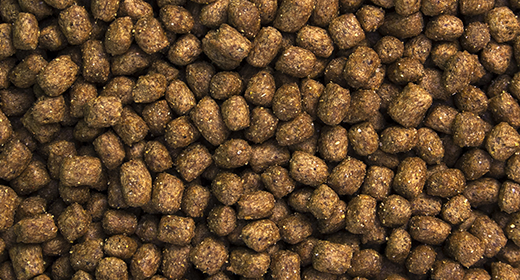
    Your puppy may seem uninterested in dry food during teething. But don't switch to a new formula to stimulate your puppy's appetite. Changing food at this time can cause additional stress and intestinal upset. The tips below could help your puppy make the change:

    • Mix their regular, premium dry food with premium canned puppy food to soften the dry food and make mealtime even more appealing. Or try some moist food to help him through this sensitive period.
    • Mix their regular, premium dry food with premium canned puppy food to soften the dry food and make mealtime even more appealing. Or try some moist food to help him through this sensitive period.
    • Soak dry food in warm water for 10 to 15 minutes before serving. Feeding dry food and biscuits loosens the teeth, so pups can get through the teething process quicker. If their appetite loss persists, see your veterinarian before you switch food.


  • Choosing chewing toys

    Encourage your young dog to chew on toys by choosing chew toys that are appropriate for their size. Also, pick a variety of textures to keep them interested in the toys. You can also try giving them frozen toys that are shaped like a bone. Always keep an eye on the puppies while they are busy chewing the toys, to ensure they don’t bite off chunks. If that happens, make sure to replace the toy immediately.


  • Other ways to alleviate teething pain

    You can also give your puppy a clean and damp washcloth, chilled for a few hours. Chewing on this will also provide some much-needed relief. Ensure that you supervise the puppy while they are chewing on this cloth so that they don’t ingest any sections of it.


A few other things to remember

Teething is a painful process for the puppies and can cause just as much inconvenience to the owners. Your puppy may lose their appetite and may experience a lot of pain and discomfort. But it is essential to get them through it all while also maintaining their diet. You can consult your vet for any major decisions or choices you make for your puppy during this time - the choice of toys, food, and other soothing methods. You will also have to keep constant vigilance to prevent your little companion from chewing on anything that may harm them, like shoes or the couch. These six months of the teething period may be hard, but you will certainly enjoy seeing them grow through this phase.


In addition to teething, ensuring excellent dental care for your dogs or puppies is of utmost importance. Discover our captivating blog post on dog dental care, and unlock a world of techniques to keep those pearly whites shining bright!


If you're looking for the perfect dog for you, try our Dog Breed Selector today and enjoy a lifetime of tail-wagging joy.

FAQs on teething puppies

  1. How long does teething in puppies last?
  2. The teething process for puppies may last for about six months.


  3. How can I help my puppy with teething?
  4. There are several ways through which you can help your puppies with the process of teething. Firstly, you can get safe chew toys for them. Secondly, you can help them get through the appetite loss. For this, you can prepare suitable teething puppy food by mixing regular dry food with parts of canned food. You can also soak their dry food in warm water for a few minutes. Apart from these steps, you can give your little furry friend a chilled clean and damp washcloth to chew on.


  5. What are the symptoms of a teething puppy?
  6. When your puppy is teething, you may see the following symptoms: drooling, bad breath, gum inflammation, gums bleeding, increased chewing tendency, missing teeth, and a loss of appetite.


  7. Will puppies stop eating when teething?
  8. Teething is painful for puppies and can cause them a lot of discomfort. Due to this, they may not feel like eating and can get even more reluctant to eat dry food. You can try giving them a mixture of their regular dry food with canned food or soaking their dry food for a minutes before serving.


  9. What can I give my puppy for teething pain?
  10. Two things that can soothe your puppy’s teething pain and discomfort are chew toys and a chilled clean and damp washcloth.


  • Important Nutrients in Our Dog Foods
    Important Nutrients in Our Dog Foods
    adp_description_block283
    Important Nutrients in Our Dog Foods

    • Share

    Nutrients are divided into subcategories: protein, carbohydrates, fats, vitamins and minerals, and water. Regular brushing and professional cleaning can keep your dog’s teeth healthy and gleaming. Giving your pet appropriate toys to chew prevents fractures.

    Protein

    Common dog food protein sources include meat, poultry, fish, and some plant ingredients, such as corn gluten and soybean meal.

    IAMS™ dog food incorporates chicken as a primary ingredient in all of its products, providing dogs with a rich and complete source of protein.

    Protein is best known for supplying amino acids to build hair, skin, nails, muscles, tendons, ligaments, and cartilage. It also plays a main role in hormone production.

    Dogs, best fed as carnivores, require essential amino acids that are not all found in the proper balance in single plant protein sources such as soybean meal.

     
    Carbohydrates

    Common carbohydrate sources are plants and grains. Carbohydrates, also categorized as starches (sugars) and fibers, provide energy and bulk, respectively.

    Starches are made up of various types of sugar, such as glucose or fructose. Through digestion, dogs can easily convert sugar into usable energy.

     
    Fiber

    Fiber may or may not be fermented or broken down into short-chain fatty acids by bacteria in a dog’s intestines. Highly fermentable fiber sources, such as vegetable gums, provide high amounts of short-chain fatty acids. Moderately fermentable fibers, such as beet pulp, provide short-chain fatty acids and bulk for moving waste. Slightly fermentable fibers, such as cellulose, provide mainly bulk for moving waste through the digestive tract and only a few short-chain fatty acids. Highly fermentable fiber sources

    Water

    Water is the single most important nutrient for the body. Without it, the body cannot transport nutrients, digest nutrients for energy, regulate temperature, or eliminate water.


    Fats

    Fats are found in meats, poultry, fish, and plant oils. Fat, for all its bad press, fulfills many vital body functions. Animal cell membranes are made of fat. Fat also helps maintain body temperature, control inflammation, and more. Fat is the primary form of stored energy in the body, providing twice as much energy as carbohydrates or proteins.

    Fats also have been shown to be important in blood clotting and managing inflammation.

     
    Vitamins & Minerals

    Vitamins are responsible for aiding functions such as bone growth, blood clotting, energy production, and oxidant protection. Vitamins A, D, E, and K require fat for absorption into the body, while vitamins such as the B-complex vitamins and vitamin C need water to be absorbed into the body.

    Minerals provide skeletal support and aid in nerve transmission and muscle contractions.

Close modal