Enter a keyword below to search for articles and products.


Dogs love to chew on things. In fact, chewing is a natural canine behavior. Providing appropriate chew treats and chew toys can be rewarding for the dog and might prevent or eliminate possible destructive chewing behavior. Chewable treats/toys are designed to provide that important natural chewing activity that dogs love. If the chew treat/toy has other benefits, such as oral care, that's even better.
Make enjoying chew treats and chew toys a safe and healthy activity with these tips:
Tip #1: There is some risk of digestive-tract obstruction with any type of chew treat or chew toy. Safety is always a concern when a dog chews. Many natural objects, such as sticks, rocks, and bones, can get stuck in a dog’s throat or intestine. As a dog owner, you are ultimately responsible to monitor your dog closely to make certain that the chew treat is chewed well.
Tip #2: Chew treats and chew toys should be sized appropriately for your dog. In other words, your dog should not be given a chew treat/toy that could be swallowed whole. Packages should indicate the appropriate size dog for the chew treat/toy. If in doubt, ask your retailer or contact the manufacturer.
Tip #3: Observe your dog playing with the chew toy or eating the chew treat. With the chew treat, your dog should gnaw on it with the side teeth and swallow pieces of the edible chew. Because dogs don't have the same crushing molars that humans have, they will “slice” off pieces with the side teeth. Many dogs will hold the treat in their paws or simply move it from side to side in their mouth as they chew off small pieces.
Tip #4: If your dog has a history of ingesting foreign objects such as rocks, sticks, or toys, you might not want to give him or her chew treats/toys at all. Try edible biscuits, instead.
Tip #5: Watch for choking, excessive drooling, vomiting, poor appetite, lethargy, and abnormal bowel movements. If you notice any of these signs, seek veterinary care sooner rather than later!
Tip #6: When in doubt about what is appropriate for your dog, contact your veterinarian. He or she can offer professional advice.
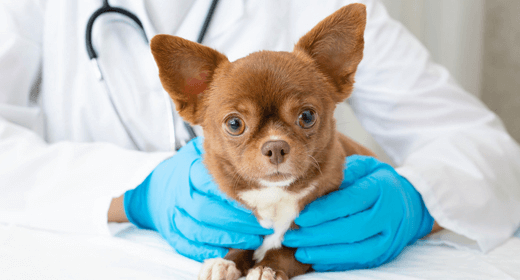
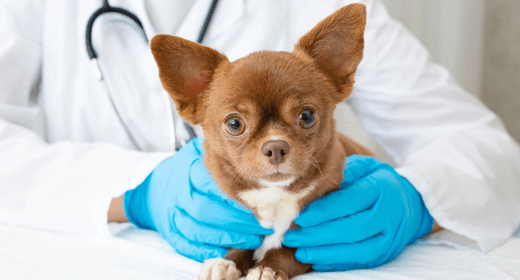
Population control is as essential for pets as it is for humans. Overpopulation by unwanted kindle of kittens or puppies is difficult to manage by caregivers. Many newborn young kittens and puppies are either put up for adoption or sent to an animal shelter. Besides, reproduction can be a tedious journey for your furry friend. Hence, it is better to get them spayed and neutered at the right time.
Spaying and neutering are medical procedures performed on dogs to stop their reproduction process. Dog neutering and spaying is one the essential medical procedures for providing care to your fur baby. There are many benefits of neutering and spaying your canine friend. To understand more about this helpful medical procedure, read the following.
A neutered or spayed dog cannot reproduce as their heat cycle is eliminated. Dog neutering is a medical procedure performed on male dogs while spaying is performed on female dogs. Veterinarian surgeons perform a surgical procedure to remove ovaries and uterus from female dogs. Besides population control, spaying also prevents uterine infections and breast cancer in female dogs. Whereas neutering is a similar procedure performed on male dogs. Neutered dogs undergo surgery for removing both testicles and associated structures. Male neutered dogs are generally believed to be more well-behaved and calmer. The surgery also stops their breeding acts such as humping and the urge to run away.
Getting your dog spayed and neutered is essential for their psychological and physical well-being and behavior. Yet, when to spay a dog and when to neuter a puppy is a common query amongst pet caregivers. Well, it is best to get your pooch neutered or spayed at the earliest. It is best to get your fur baby neutered or spayed before it develops breeding instincts. Undergoing the procedure between 4 and 6 months is suggested. Most breeds of dogs reach redevelopment maturity around 6 months of age, yet some breeds can easily be neutered or spayed until 9 months or even after they turn over a year old. Hence, your pooch’s breed and size decide how soon it needs to be spayed or neutered.
There are numerous reasons to opt for spaying and neutering for pets. By undergoing spaying and neutering procedures, pets can achieve better physical and psychological health. Neutered and spayed dogs are known to have better hormonal balance as their reproductive organs are removed which helps in neutralizing their breeding instincts. Mentioned below are a few more reasons why you should get your pets neutered and spayed.
It is necessary to take some preventive measures to build trust and assurance before getting your pooch neutered or spayed. The following are a few things you should do to prepare your canine friend before getting it neutered/ spayed.
Neutering or spaying can typically take anywhere between 20 to 90 minutes depending on the size, breed, and health of your pooch. As a pet parent, you need to ensure the best care and support for your fur baby to ensure its complete and stress-free recovery post-surgery. Puppies and dogs often take up to 10 to 14 days to recover after getting neutered or spayed. The following are a few things you should do to ensure your puppy recovers well after getting neutered or spayed.
Managing the population is essential for strays as well as pets. When you get your pets neutered and spayed, you eliminate their chances of contributing to the overpopulation of dogs. Besides, spaying and neutering also help in managing your pooch’s aggression and urge to run away by controlling their hormones and making them calmer. Neutering and spaying also save your pooch from falling prey to infections and fatal illnesses like cancer. Hence, it is best to get your canine friend neutered or spayed at the earliest by consulting a vet.