IAMS PH
Keeping Your Dog Safe from Fleas and Ticks

adp_description_block239
Keeping Your Dog Safe from Fleas and Ticks

  • Share

Dogs bring us immense joy and companionship, and we naturally want them to live happy and healthy lives. However, a hidden threat lurks in the shadows, capable of jeopardizing the health of our furry friends: infestations of fleas and ticks. These tiny parasites, barely visible to the naked eye, pose a significant danger, requiring our vigilance and prompt action to protect the ones we love.
 

Lifecycle of fleas and ticks

To effectively protect your dog, it's crucial to understand the lifecycles of these parasites.
 

Fleas:

Fleas have a four-stage life cycle:

  • Egg: Adult female fleas lay eggs on your dog after feeding. These eggs are tiny, white, and fall off into the surrounding environment, often carpets, bedding, and cracks in the floor.
  • Larva: After hatching, the flea larvae become small, worm-like creatures that feed on organic matter in their environment.
  • Pupa: Larvae eventually spin a protective cocoon and enter the pupal stage. This stage can be dormant for months, making them difficult to eliminate.
  • Adult: Adult fleas emerge from the pupae, ready to jump onto your dog, feed on their blood, and lay eggs, restarting the cycle.

Ticks:

Ticks, while different in their lifecycle, pose a similar threat. They follow these stages:

  • Egg: Adult female ticks lay thousands of eggs in the environment, often in tall grass or wooded areas.
  • Larva: After hatching, tick larvae are six-legged and actively seek a host. They climb onto a dog's body and feed on its blood for several days before dropping off to molt.
  • Nymph: The larvae develop into eight-legged nymphs, requiring another blood meal to grow.
  • Adult: Adult ticks seek a final blood meal, attaching to a dog and feeding for several days before detaching to mate and lay eggs, completing the cycle.

Symptoms of flea and tick infestation

Early detection is key in managing these parasites.
 

Fleas on dogs:

Fleas are small, wingless insects that feed on the blood of dogs. They can cause various problems for your dog, including:

  • Excessive scratching: This is the most common symptom of fleas on dogs. The itching is caused by the flea bites and the allergic reaction your dog's skin has to the flea saliva.
  • Hair loss: Fleas can cause hair loss, especially around the base of the tail and on the belly.
  • Irritated skin: Flea bites can cause red, irritated skin.
  • Pale gums: In severe cases of flea infestation, your dog may develop anemia, which can cause pale gums.
  • Flea dirt: Flea dirt refers to the waste produced by fleas. It looks like small, black specks and can be found in your dog's fur or on their bedding.

Ticks on dogs:

Ticks are larger than fleas and have eight legs. They latch onto your dog's skin and feed on their blood. Ticks can transmit various diseases to dogs, including Lyme disease, anaplasmosis, and Rocky Mountain spotted fever. Here are some signs of ticks on your dog:

  • Visible ticks: Ticks are usually easy to spot. Look for them on your dog's head, neck, ears, paws, and groin.
  • Red, swollen bumps: Ticks leave a red, swollen bump on your dog's skin after they have attached themselves.
  • Lethargy: Your dog may seem lethargic or tired if they have a tick infestation.
  • Fever: A fever can be a sign that your dog has a tick-borne illness.

Treatments for fleas and ticks

Once you've identified an infestation, prompt and effective treatment is essential.
 

Dog flea treatment:

When dealing with fleas on dogs, a multi-pronged approach is often necessary. Here are some effective options:

  • Oral medications: These chewable tablets offer long-lasting protection against fleas and are easy to administer.
  • Topical treatments: These spot-on solutions are applied directly to your dog's skin between the shoulder blades. They provide effective flea control and may also repel ticks.
  • Flea shampoos and sprays: While not as long-lasting as oral medications or topical treatments, these products can help kill existing fleas on your dog. They can also be used in conjunction with other treatments for a more comprehensive approach.

Consulting your veterinarian is crucial when choosing a flea treatment, as they can recommend the most appropriate option based on your dog's age, breed, and specific needs.
 

Dog tick treatment:

If you find a tick attached to your dog, it's essential to remove it promptly and safely. Here's how:

  • Use a pair of fine-tipped tweezers, ensuring to grip the tick as near to the skin's surface as feasible.
  • Gently yet firmly extract the tick using a straight, steady motion. Avoid twisting or crushing the tick, as this can release more saliva into the bite.
  • Once the tick is removed, place it in a sealed container and dispose of it properly. Do not crush it or flush it down the toilet.
  • Clean the bite site with alcohol or antiseptic wipes.

Monitor your dog for any signs of infection, such as redness, swelling, or fever. If you notice any concerns, consult your veterinarian immediately.
 

Important tip: Avoid using home remedies like petroleum jelly or matches to remove ticks, as these can cause the tick to release more saliva and potentially increase the risk of disease transmission.
 

Flea and tick prevention for dogs

A proactive approach is the best way to protect your dog from these pests.
 

Early detection and elimination:

  • Regular checks: Inspect your dog's fur and skin, particularly around the head, ears, neck, and armpits, for signs of fleas or ticks on dogs.
  • Grooming: Brushing your dog regularly helps remove fleas and debris, making it easier to spot potential infestations.
  • Thorough cleaning: Wash your dog's bedding and regularly vacuum your home to eliminate any existing fleas and prevent future infestations.

Proactive protection:

  • Year-round prevention: Don't let your guard down during cold weather. Fleas and ticks can survive indoors and remain active throughout the year.
  • Environmental treatment: If you suspect a flea or tick infestation in your home or yard, consult a pest control professional for effective treatment.
  • Travel precautions: Be extra vigilant when traveling with your dog, as new environments may harbor different parasite populations.

Protecting your dog from fleas and ticks is crucial for their health and well-being. By implementing a regular prevention routine, combining medication with vigilance and proper hygiene, you can keep your furry friend safe and comfortable. Remember, consulting your veterinarian for personalized advice is the best way to ensure the most effective approach for your dog's specific needs.

Frequently asked questions about Fleas and Ticks in Dogs

  1. What causes Dogs to get fleas?
  2. Dogs can get fleas from environments where fleas are present. This includes outdoor areas (like parks or gardens), other infested animals, or contaminated objects (like bedding or carpet). Fleas jump onto dogs from these sources, starting an infestation.

  3.  Can my Dog get fleas from other Dogs?
  4. Yes, dogs can get fleas from other dogs. Fleas are adept at jumping from one host to another. When dogs interact or play together, fleas can easily transfer between them, especially in close quarters like dog parks or kennels.

  5.  Is a tick on a Dog harmful?
  6. Yes, ticks on dogs can be harmful. They attach to the dog's skin and feed on blood, potentially transmitting diseases like Lyme disease, anaplasmosis, and Rocky Mountain spotted fever. The bite site can also become infected if not properly treated.

  7. How do I get rid of ticks on my Dog?
  8. To remove ticks from your dog, use fine-tipped tweezers to grasp the tick as close to the skin’s surface as possible. Pull upward with steady, even pressure. After removal, clean the bite area and your hands with rubbing alcohol, an iodine scrub, or soap and water.


  • How to Help Your Dog Lose Weight
    How to Help Your Dog Lose Weight
    adp_description_block94
    How to Help Your Dog Lose Weight

    • Share

    Obesity in dogs is a more common problem than you might think. Between 25% and 40% of dogs are overweight, but often, owners don’t realize it until they take their dog to the veterinarian for another reason. Yet even vets can’t tell if a dog is obese by their weight alone. Ideal weight varies by breed, and quite widely within breeds.(Did you know, for instance, that Labrador retrievers, dachshunds and beagles areall prone to obesity?) In short, there’s no ideal healthy weight chart for all dogs!

    The good news is that if your dog is overweight, there are a number of ways to help them reach a healthy weight. Don’t underestimate the power of daily walks and a weight management dog diet — IAMS™ Adult Healthy Weight can help return your dog to a healthy weight, providing a path to help keep them fit for life.
    Is Your Dog Overweight?

    feeding your dog

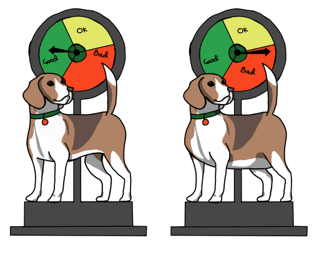
    Can you feel individual ribs easily? Is your dog’s abdomen slightly tucked up whenviewed from the side? That’s a sign your dog is at their ideal weight.

    If you can't feel the ribs easily, your dog has no waist and their abdomen drags,your pup is carrying extra weight. Your veterinarian can help you further evaluateyour dog’s condition and determine their ideal weight.


    What Causes Canine Obesity?

    Dogs gain weight for the same reason people do: They eat more calories than theyuse. Today’s dogs share another problem with their human parents: lack of activity.Many pet parents work all day and are too tired to play with their dog afterward.

    Dogs’ metabolisms might slow as they age or after they’re spayed or neutered,which means they require less food. Another common reason for weight gain isfrequently eating high-calorie treats. Sometimes more than one family member isfeeding the dog, and the dog sure isn’t telling!

    Other factors that could contribute to canine obesity include:

    • Breed and sex
    • Hyperadrenocorticism
    • Hypothyroidism
    • Diabetes mellitus

    If you suspect that your dog is overweight or obese, the !rst step is to set up anappointment with your veterinarian so they can evaluate their condition. Likewise,before beginning any weight loss program with your dog, make sure to discuss itwith your vet.


    How Much to Feed a Dog on a Weight Management Program

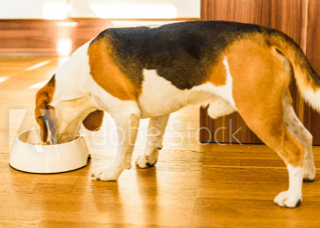
    If your dog is overweight, it’s time to implement a weight-management regimen. Ifyou usually feed one large meal a day or keep food available at all times, try adifferent dog-feeding schedule by dividing the daily ration into several small meals— at least two meals a day. It takes energy to digest food, and dividing your dog’sdaily ration into separate feedings will help. If your dog leaves any food in theirbowl, pick it up 30 minutes after each meal.
    Tips for Helping Your Dog Lose Weight

    Choose the Right Food for Healthy Weight Loss

    Your goal is to help your dog be healthier, so select their food carefully. Payattention to the ratio of fat, !ber, protein, carbohydrates and special ingredients inyour dog’s weight-management food:

    • Fat: Dogs use fat as their primary energy source. A diet that replaces some fatwith highly digestible carbohydrates offers a good low-calorie alternative.
    • Fiber: Dogs use fat as their primary energy source. A diet that replaces somefat with highly digestible carbohydrates offers a good low-calorie alternative.
    • Protein: Weight-control food should have high-quality protein so your dogdoesn’t lose muscle tone, plus essential fatty acids to help keep their skin andcoat healthy throughout the dieting process.
    • Carbohydrates: Feeding a diet that contains corn, sorghum and/or barley canresult in lower insulin levels as compared to feeding a diet that contains rice asthe primary carbohydrate source. Lower insulin levels also can help withmaintaining a proper weight.
    • L-carnitine: This special ingredient is a vitamin-like compound that helps burnfat.

    After your dog reaches their ideal weight, select a maintenance food to keep theirweight steady.
    Tips for Helping Your Dog Lose Weight

    Tips for Helping Your Dog Lose Weight

    Losing weight isn’t easy. Changing habits is the key. Here are some ways you can
    help keep your dog on track:

    • Determine who feeds the dog what and when. (Don’t be embarrassed to admityou give your dog treats. Dogs are expert beggars.)
    • Substitute affection for treats. Scratch them behind the ears, offer praise orthrow a ball when your dog noses your hand.
    • Take your dog for a walk more often. Even 10 minutes a day can help.
    • If your dog is more than 15% overweight, your veterinarian might recommend aspecial food. Diet foods should be low in fat (under 20% of calories from fat).

    A total weight-management program can lead to successful weight loss inoverweight or obese dogs. Remember: Your support is essential to your dog’sweight-control success.
Close modal