Enter a keyword below to search for articles and products.
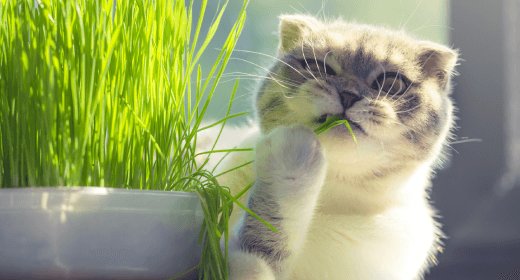
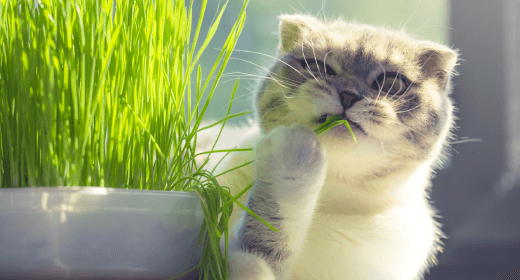
A cat’s diet largely includes other smaller animals as they are carnivorous. However, most cats avoid consuming the animal’s intestinal tract which contains most fiber. This can lead to a lack of fiber in the cat’s diet. But do cats need fiber? Yes. Lack of fiber can result in irregular bowel movement, digestive issues, and other similar health concerns.
Cats often munch on green grass and leaves to ease constipation. However, they might resist including fiber in their daily meal and only rely on it when ill. But, to ensure your cat’s best physical well-being, you should choose fiber-rich food for cats.
Fiber-rich cat food is essential as it helps in maintaining their digestive health. Thus, pet parents should try to include the necessary amount of fiber in their kitty’s diet. It will help maintain their digestive health and overall well-being. Cat food fiber can be classified based on its solubility.
While choosing cat food with fiber, you should make sure it includes both soluble and insoluble fiber. Besides, the cat’s gut bacteria can break down both soluble and insoluble fiber to produce new compound that helps in nourishing their colon cells.
Fiber-rich cat food contains prebiotics, which means they also contain good bacteria that are necessary for a healthy intestine. So, as a cat parent, you should invest in high-quality cat food with fiber to keep your little fur baby’s gut health in check. However, how much fiber does a cat require??
Although fiber is essential for cats, they require it in limited quantities. Too much fiber can risk restricting absorption of nutrients in their body, whereas too little can lead to poor digestive health. The appropriate quantity of fiber for cats is between 1.4 to 3.5% of their daily calorie intake.
Planning to include cat food with fiber in your kitty’s daily diet? Consider adding the following food options to their meal to increase fiber content in your fur baby’s diet.
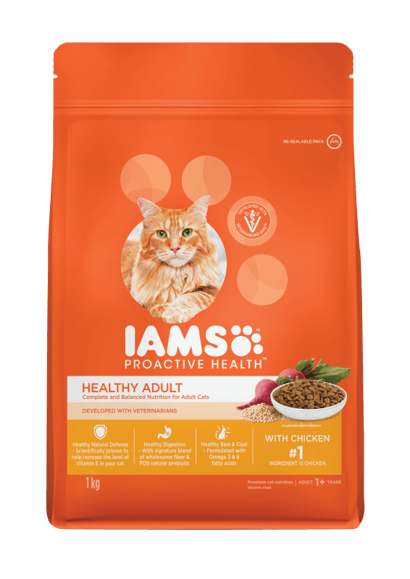
Besides relying on the above-mentioned plant-based and animal-based fiber, you can also buy IAMS high-fiber cat food to ensure that your kitty gets the right amount of fiber in its meal. IAMS high-fiber cat food such as IAMS ProActive Health Adult Original with Chicken contains a moderate quantity of fermentable fiber along with the chicken. This cat food with fiber is made using fermentable fiber and chicken that your cat is sure to relish. Besides, IAMS is a popular cat food brand that is known for using best-quality ingredients, so your furry friend gets nothing but the best.
You can easily add fiber into your cat’s diet by choosing a cat food brand that offers fiber-rich cat food or by adding animal-based or plant-based fiber to their daily meal.
Yes, cats need fiber for better gut and intestinal health. However, a cat’s fiber intake should not be more than 3.5% of its daily calorie diet.
Dry food often has more fiber as it contains more bulk compared to wet food which contains more moisture.
Yes, all cats need fiber for better digestion and gastrointestinal health.
Plant-based fiber such as broccoli, lettuce, carrots, wheat brans, spinach, wheatgrass, and green beans are good for cats. You can also add animal-based fiber such as animal feathers, cartilage, bone, and ligaments to your cat’s diet for encouraging fiber consumption.
High fiber cat food has become a mainstay for many cats with gastrointestinal problems. But why is fiber so crucial for cats?
Fiber is a type of carbohydrate that isn't digested by a cat's gastrointestinal tract. It is important for cat health because it provides bulk to move food through. Some types of fiber can be fermented (broken down by bacteria) in the system. This process creates short-chain fatty acids (SCFA), which are an important energy source for the cells lining the intestinal tract.
Thus, understanding the various types of fiber and when to include fiber in a cat's nutrition plan is crucial. High-fiber cat food often contains a combination of soluble and insoluble fibers that aid gastrointestinal health and improve stool quality. Some of these fiber elements are also known as prebiotics, which are nutrients (mostly fermentable fibers) that help the good bacteria in the intestines grow.
Soluble fiber for cats, such as gums and pectins, are the best at absorbing water. These fibers are typically highly fermentable and provide the required energy source. Adding such soluble fibers to your cat’s diet can help it maintain a healthy colonic mucosa and boost immune function in the lower intestine.
Insoluble fibers, such as lignin or cellulose, have a variety of therapeutic properties and can be utilised in your cat’s meal to promote its gastrointestinal health.
Today, people are more aware of fiber and its role in their diet. Studies showing the beneficial effects of higher fiber levels in humans influence the way many people think about their own food and that of their pets. Some manufacturers now apply the recommendations of human nutritionists and make high-fiber diets for cats, but cats have a much shorter digestive tract than we do. And unlike humans, cats are carnivorous, so their nutritional needs are better satisfied with meat rather than plant matter. Therefore, cats have different dietary needs than humans. For more than 60 years, companion animal nutritionists at IAMS™ have been studying diets to meet the special nutritional needs of cats.
Furthermore, fiber-rich cat food benefit cats suffering from GI illnesses of the large intestine. Fiberous food can assist in preserving their GI motility and water balance. This is turn helps prevent constipation and diarrhea in cats.
IAMS Company research shows the optimal crude fiber level for healthy cat’s ranges from 1.4% to 3.5%. At these levels, nutrient breakdown is maximized. In unique situations, such as hairballs, higher fiber levels may be beneficial.
An important characteristic of fiber is its fermentability, or how well it can be broken down by bacteria in the intestine. This breakdown produces short-chain fatty acids, which provide energy to the intestines. Fiber varies in fermentability. Fiber sources used in pet foods include cellulose, which is poorly fermentable; beet pulp, which is moderately fermentable; and gums and pectin, which can be highly fermentable. Research has shown that moderate levels of moderately fermentable fiber, such as beet pulp, provide the benefits of energy for the intestinal lining and bulk, without the negative effects of excessive stool or gas and, therefore, are beneficial in cat diets.
High moisture, protein, and minimum carbohydrate matter are all key ingredients in high fiber cat diets. Here are some benefits of high-fibrous food for your cat:
Cats with medical issues can also greatly benefit from high-fiber foods. For instance, high-fiber wet cat food might help overweight cats in reducing overeating and lowering their risk of obesity. What’s more is, adding fibrous food to your cat’s meal will also help your pet eliminate more nitrogen through their stool, thus sparing the kidneys. In fact, many dietary fibers inhibit nutrient absorption qualities, which help to lessen the rate at which the GI tract assimilates glucose, thereby keeping the blood sugar levels stable.
High levels of poorly fermentable fiber are used in some weight-reduction pet foods to dilute the calories in a serving. IAMS Company research shows that high fiber levels can make it harder to digest other nutrients in the food and, in turn, reduce the nutritional quality of a cat's diet. Your cat making more trips to the litter box can be a result.
Low fibrous food contains nutrients such as electrolytes and B-vitamins that aid recuperation in cats. This type of food is usually recommended by veterinarians for cats who are prone to having a quick onset of GI disturbance. Therefore, when choosing a meal for your cat, always visit a veterinarian. If your cat is on a high-fiber diet, their veterinarian should keep an eye on them to ensure that their fiber-responsive symptoms are under control.
When choosing a pet food, fiber is an important consideration, but remember that the needs of cats are not the same as those of humans. A moderate level of moderately fermentable fiber, such as beet pulp, provides proven nutritional benefits for cats. Cat diets containing high levels of poorly fermentable fiber dilute calories and deprive cats of the nutrients they need.
All IAMS products are made with levels of moderately fermentable fiber needed to promote intestinal health. And all IAMS foods, such as IAMS ProActive Health™ Adult Original with Chicken, contain the moderately fermentable fiber system, which is the exclusive property of IAMS Company and is protected by U.S. Patent No. 5,616,569 for Pet Food Products Containing Fermentable Fibers and Process for Treating Gastrointestinal Disorders.