Enter a keyword below to search for articles and products.


A cat’s diet largely includes other smaller animals as they are carnivorous. However, most cats avoid consuming the animal’s intestinal tract which contains most fiber. This can lead to a lack of fiber in the cat’s diet. But do cats need fiber? Yes. Lack of fiber can result in irregular bowel movement, digestive issues, and other similar health concerns.
Cats often munch on green grass and leaves to ease constipation. However, they might resist including fiber in their daily meal and only rely on it when ill. But, to ensure your cat’s best physical well-being, you should choose fiber-rich food for cats.
Fiber-rich cat food is essential as it helps in maintaining their digestive health. Thus, pet parents should try to include the necessary amount of fiber in their kitty’s diet. It will help maintain their digestive health and overall well-being. Cat food fiber can be classified based on its solubility.
While choosing cat food with fiber, you should make sure it includes both soluble and insoluble fiber. Besides, the cat’s gut bacteria can break down both soluble and insoluble fiber to produce new compound that helps in nourishing their colon cells.
Fiber-rich cat food contains prebiotics, which means they also contain good bacteria that are necessary for a healthy intestine. So, as a cat parent, you should invest in high-quality cat food with fiber to keep your little fur baby’s gut health in check. However, how much fiber does a cat require??
Although fiber is essential for cats, they require it in limited quantities. Too much fiber can risk restricting absorption of nutrients in their body, whereas too little can lead to poor digestive health. The appropriate quantity of fiber for cats is between 1.4 to 3.5% of their daily calorie intake.
Planning to include cat food with fiber in your kitty’s daily diet? Consider adding the following food options to their meal to increase fiber content in your fur baby’s diet.
Besides relying on the above-mentioned plant-based and animal-based fiber, you can also buy IAMS high-fiber cat food to ensure that your kitty gets the right amount of fiber in its meal. IAMS high-fiber cat food such as IAMS ProActive Health Adult Original with Chicken contains a moderate quantity of fermentable fiber along with the chicken. This cat food with fiber is made using fermentable fiber and chicken that your cat is sure to relish. Besides, IAMS is a popular cat food brand that is known for using best-quality ingredients, so your furry friend gets nothing but the best.
You can easily add fiber into your cat’s diet by choosing a cat food brand that offers fiber-rich cat food or by adding animal-based or plant-based fiber to their daily meal.
Yes, cats need fiber for better gut and intestinal health. However, a cat’s fiber intake should not be more than 3.5% of its daily calorie diet.
Dry food often has more fiber as it contains more bulk compared to wet food which contains more moisture.
Yes, all cats need fiber for better digestion and gastrointestinal health.
Plant-based fiber such as broccoli, lettuce, carrots, wheat brans, spinach, wheatgrass, and green beans are good for cats. You can also add animal-based fiber such as animal feathers, cartilage, bone, and ligaments to your cat’s diet for encouraging fiber consumption.
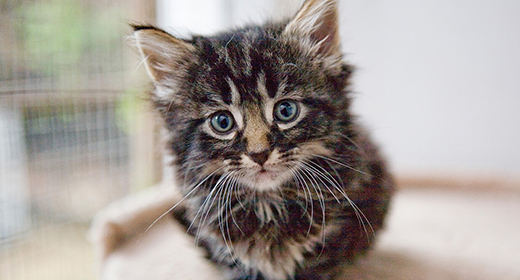
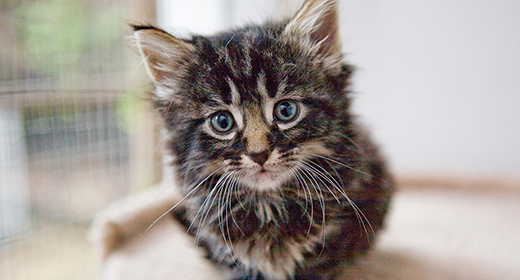
A newborn cat brings endless love and laughter to any household. However, as a new kitten parent, it is important to understand that caring for a kitten is not just about feeding and playing with them. Kittens have specific dietary needs, and it is important to provide them with high-quality kitten food that meets their nutritional requirements. Regular grooming, vaccination, and preventive care are essential in keeping your kitten healthy and free from diseases. This guide will give you all the information you need to raise a healthy kitten and ensure that it grows into a happy and healthy adult cat.
Check out the below table to understand how a cat develops with time:
Age | Milestone |
5 to 6 months old | Sexual maturity |
8 months old | Full set of adult teeth |
9 months old | Comparable digestion ability to adult |
12 months old (female) and 18 months old (male) | Reach adult body weight |
Between 10 to 12 months of age | Energy requirements go down to adult levels |
Want to know how old your cat is in human years? Check out the below table and find out:
| Life stage | Cat age | Cat age in human years |
|---|---|---|
| Kitten | 0 to 1 month old | 0 to 1 years old |
| 2 months old | 2 years old | |
| 3 months old | 4 years old | |
| 4 months old | 6 years old | |
| 5 months old | 8 years old | |
| 6 months old | 10 years old | |
| Junior | 7 months old | 12 years old |
| 12 months old | 15 years old | |
| 18 months old | 21 years old | |
| 2 years old | 24 years old | |
| Adult | 3 years old | 28 years old |
| 4 years old | 32 years old | |
| 5 years old | 36 years old | |
| 6 years old | 40 years old | |
| Mature | 7 years old | 44 years old |
| 8 years old | 48 years old | |
| 9 years old | 52 years old | |
| 10 years old | 56 years old | |
| Senior | 11 years old | 60 years old |
| 12 years old | 64 years old | |
| 13 years old | 68 years old | |
| 14 years old | 72 years old | |
| Super senior | 15 years old | 76 years old |
| 16 years old | 80 years old | |
| 17 years old | 84 years old | |
| 18 years old | 88 years old | |
| 19 years old | 92 years old | |
| 20 years old | 96 years old | |
| 21 years old | 100 years old | |
| 22 years old | 104 years old | |
| 23 years old | 108 years old | |
| 24 years old | 112 years old | |
| 25 years old | 116 years old |
In conclusion, raising a healthy kitten requires a lot of care and attention, but with the right knowledge and commitment, you can ensure that your kitten grows into a happy and healthy adult cat. Always consult your veterinarian for any questions or concerns, and don't hesitate to seek advice or guidance. With the right care and love, your kitten will bring you years of joy and companionship.