Bringing a new kitten into your home is an exciting time for any pet lover. As your furry little bundle of joy grows and develops, it's important to remember that proper kitten training is essential for its physical and behavioural well-being. In the crucial growing years, a kitten's brain is like a sponge, absorbing information and learning new skills at an incredible speed. With proper guidance and loving touch, you can ensure that your kitten grows into a well-adjusted, happy, and healthy family member. This blog post will share tips to train your kitten and provide them with the best possible start in life.
As a new kitten parent, it's important to understand that kitten training should be a fun and positive experience for you and your furry friend. You can teach your kitten everything from basic commands to good manners with patience, consistency, and a few simple tips. Here are some of our top tips for training your kitten:
Teaching your kitten to sit is the first step in training. Start by holding a treat in front of their nose and slowly moving it up and over their head. As they look up to follow the treat, their bottom should naturally lower to the ground. As soon as they sit, say 'sit' and give them the treat. Repeat this process several times a day until they understand the command.
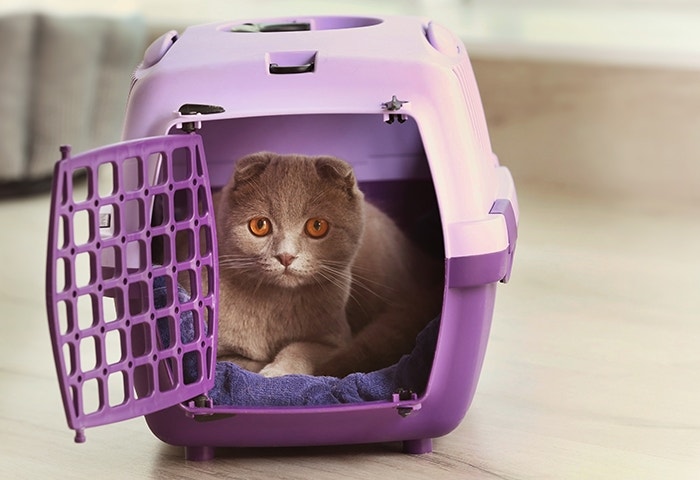
Crate training is an excellent way to provide your kitten with a safe and comfortable space to call their own. Start by placing a soft blanket and a few toys inside the crate. Let your kitten explore the crate on their own kitten food and reward them with treats and praise when they go inside. Over time, you can start closing the door for short periods and gradually increase the duration.
Socialization is an important part of kitten training. Start by introducing your kitten to friends, family, and other pets. Take your fur baby on short car rides and expose it to sights, sounds, and smells. The more it is exposed to different people, animals, and environments, the more confident and well-adjusted it will be as an adult.
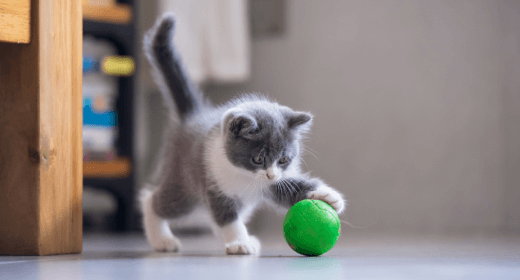
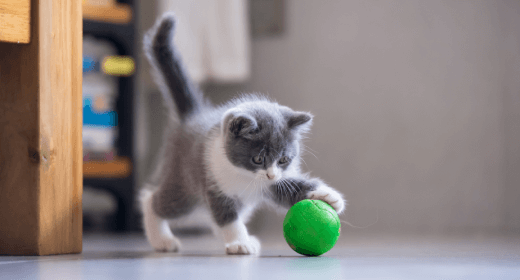
Training your kitten to play with toys is a great way to stimulate it mentally and physically. Start by introducing your purrfect pal to various toys and see what interests it the most. Once it is engaged, you two can indulge in fun games like fetch, chase, and tug of war.
Litter training is an essential part of kitten training. Start by placing your kitten in the litter box after meals and naps. When they use the litter box, reward them with treats and praises. Be sure to clean the box regularly and keep it in a quiet, accessible location.
Teaching your kitten proper feeding etiquette is important for its overall health and wellbeing. Start by teaching them to eat from a bowl and not to beg at the table. Be consistent with their feeding schedule and monitor their weight to ensure your cats receive full nutrition.
Teaching kittens to recognize their name is an important step in training. Start by calling their name and rewarding them with treats and praises when they respond. Be consistent with their name and use them as much as possible.
Overall, training your kitten is an ongoing process that requires patience and consistency. Remember to use positive and reward-based training methods. And most importantly, have fun! Make sure to give your kitten lots of love, praises, and treats as they learn and grow.


It is possible to train kittens, but it may be more difficult than training older cats. Kittens are playful and easily distracted, which can make training more challenging. Additionally, their developing brains may not fully understand certain commands or behaviors. However, with patience and consistency, kittens can learn basic commands and behaviors such as using a litter box and responding when called. It's important to start training and socializing kittens early to ensure they grow into well-behaved adult cats.
The best age to train a kitten is around 8-12 weeks old. At this age, kittens are more receptive to learning and are less likely to have developed bad habits. It is also important to consult with a veterinarian before starting any training to ensure the kitten is healthy and ready for training.
To bond with your kitten, you can spend quality time with it. Indulge in activities like playing, grooming, and cuddling. Establishing a consistent routine and providing it with proper socialization, training, and medical care is also important to have a healthy relationship with your kitty. Consult with your veterinarian for specific recommendations.
To tell your kitten a "no", use a firm, but not harsh tone and gently redirect its behavior. Consistency and positive reinforcement for good behavior can also help kittens understand what is and is not acceptable. Consult with a veterinarian or animal behaviorist for additional guidance.
It typically takes several months to train a kitten. Consistency and patience are key as kittens have short attention spans and may not fully understand commands until they are around 6 months old. Working with a veterinarian or professional trainer is important to ensure that proper training techniques are used.
High fiber cat food has become a mainstay for many cats with gastrointestinal problems. But why is fiber so crucial for cats?
Fiber is a type of carbohydrate that isn't digested by a cat's gastrointestinal tract. It is important for cat health because it provides bulk to move food through. Some types of fiber can be fermented (broken down by bacteria) in the system. This process creates short-chain fatty acids (SCFA), which are an important energy source for the cells lining the intestinal tract.
Thus, understanding the various types of fiber and when to include fiber in a cat's nutrition plan is crucial. High-fiber cat food often contains a combination of soluble and insoluble fibers that aid gastrointestinal health and improve stool quality. Some of these fiber elements are also known as prebiotics, which are nutrients (mostly fermentable fibers) that help the good bacteria in the intestines grow.
Soluble fiber for cats, such as gums and pectins, are the best at absorbing water. These fibers are typically highly fermentable and provide the required energy source. Adding such soluble fibers to your cat’s diet can help it maintain a healthy colonic mucosa and boost immune function in the lower intestine.
Insoluble fibers, such as lignin or cellulose, have a variety of therapeutic properties and can be utilised in your cat’s meal to promote its gastrointestinal health.
Today, people are more aware of fiber and its role in their diet. Studies showing the beneficial effects of higher fiber levels in humans influence the way many people think about their own food and that of their pets. Some manufacturers now apply the recommendations of human nutritionists and make high-fiber diets for cats, but cats have a much shorter digestive tract than we do. And unlike humans, cats are carnivorous, so their nutritional needs are better satisfied with meat rather than plant matter. Therefore, cats have different dietary needs than humans. For more than 60 years, companion animal nutritionists at IAMS™ have been studying diets to meet the special nutritional needs of cats.
Furthermore, fiber-rich cat food benefit cats suffering from GI illnesses of the large intestine. Fiberous food can assist in preserving their GI motility and water balance. This is turn helps prevent constipation and diarrhea in cats.
IAMS Company research shows the optimal crude fiber level for healthy cat’s ranges from 1.4% to 3.5%. At these levels, nutrient breakdown is maximized. In unique situations, such as hairballs, higher fiber levels may be beneficial.
An important characteristic of fiber is its fermentability, or how well it can be broken down by bacteria in the intestine. This breakdown produces short-chain fatty acids, which provide energy to the intestines. Fiber varies in fermentability. Fiber sources used in pet foods include cellulose, which is poorly fermentable; beet pulp, which is moderately fermentable; and gums and pectin, which can be highly fermentable. Research has shown that moderate levels of moderately fermentable fiber, such as beet pulp, provide the benefits of energy for the intestinal lining and bulk, without the negative effects of excessive stool or gas and, therefore, are beneficial in cat diets.
High moisture, protein, and minimum carbohydrate matter are all key ingredients in high fiber cat diets. Here are some benefits of high-fibrous food for your cat:
Cats with medical issues can also greatly benefit from high-fiber foods. For instance, high-fiber wet cat food might help overweight cats in reducing overeating and lowering their risk of obesity. What’s more is, adding fibrous food to your cat’s meal will also help your pet eliminate more nitrogen through their stool, thus sparing the kidneys. In fact, many dietary fibers inhibit nutrient absorption qualities, which help to lessen the rate at which the GI tract assimilates glucose, thereby keeping the blood sugar levels stable.
High levels of poorly fermentable fiber are used in some weight-reduction pet foods to dilute the calories in a serving. IAMS Company research shows that high fiber levels can make it harder to digest other nutrients in the food and, in turn, reduce the nutritional quality of a cat's diet. Your cat making more trips to the litter box can be a result.
Low fibrous food contains nutrients such as electrolytes and B-vitamins that aid recuperation in cats. This type of food is usually recommended by veterinarians for cats who are prone to having a quick onset of GI disturbance. Therefore, when choosing a meal for your cat, always visit a veterinarian. If your cat is on a high-fiber diet, their veterinarian should keep an eye on them to ensure that their fiber-responsive symptoms are under control.
When choosing a pet food, fiber is an important consideration, but remember that the needs of cats are not the same as those of humans. A moderate level of moderately fermentable fiber, such as beet pulp, provides proven nutritional benefits for cats. Cat diets containing high levels of poorly fermentable fiber dilute calories and deprive cats of the nutrients they need.
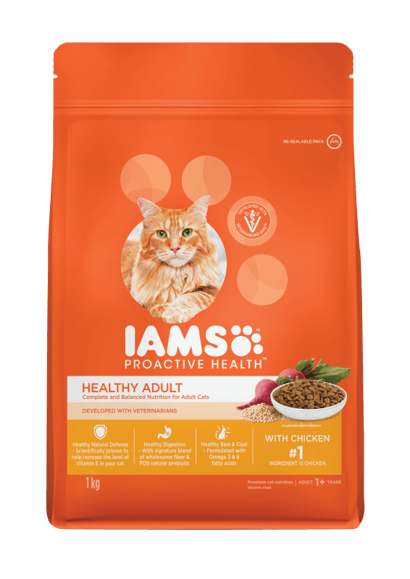
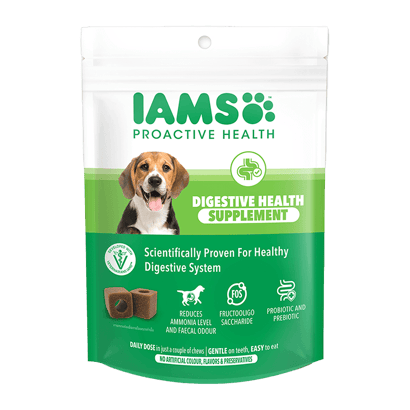
All IAMS products are made with levels of moderately fermentable fiber needed to promote intestinal health. And all IAMS foods, such as IAMS ProActive Health™ Adult Original with Chicken, contain the moderately fermentable fiber system, which is the exclusive property of IAMS Company and is protected by U.S. Patent No. 5,616,569 for Pet Food Products Containing Fermentable Fibers and Process for Treating Gastrointestinal Disorders.