Enter a keyword below to search for articles and products.
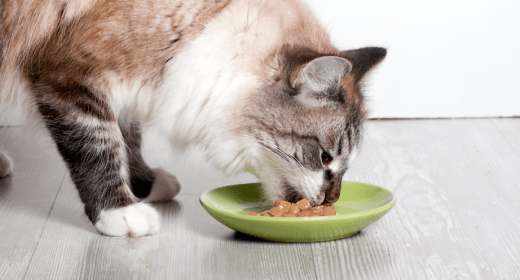
Cats are known for their graceful demeanor and independent attitude. Their average lifespan is approximately 12 to 18 years. Cats over 3 years of age are deemed adults, and from the age of 11 years, they become senior cats.
Like most animals, cats’ eating habits also change with age - - kittens often need more food as they require more energy, and adult cats require a moderate amount of food to have sufficient energy. Senior cats often have a smaller appetite compared to their younger counterparts. Therefore, pet parents should keep track of their cat’s changing food requirements. Read the following if you too have queries related to feeding cats or how to feed older cats.
Your senior cat’s health and well-being are directly linked to their eating habits. Cat caregivers need to be more vigilant while feeding senior cats to ensure that their feline friend is provided with the right amount of nutrition and nourishment.
As a pet parent, you need to be mindful when feeding your cat. It has different nutritional requirements at various stages of its life. Kittens need to be fed with uttermost care to ensure appropriate growth and development, adult cats need well-monitored feeding portions to avoid overeating, and senior cats need a regularized diet to maintain their health. Hence, senior cat food contains high-quality protein and added vitamin E for more bone and joint strength.
As cats grow older, their sense of taste and smell begin to fade. Senior cats also experience deteriorating teeth which affect their ability to chew. Hence, older cats’ caregivers need to take the following measures while feeding them:
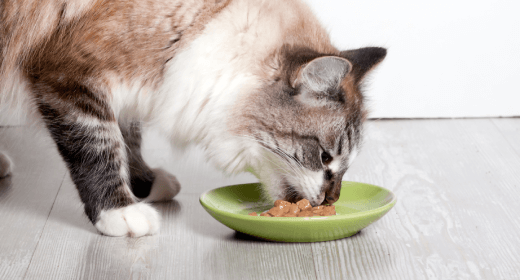
Include softer food so that it is easier for your senior cats to properly chew the food
Add food with higher meat content to enhance the food’s smell and flavor
An old kitty or senior cat may need a small quantity of food with higher nutrients. Cat feeding tips help pet parents to provide the right nutrition and nourishment to their senior kitty. Here are a few essential tips that caregivers should consider when feeding their senior cats:
Even though the food requirements of cats depend on the kitty’s age, you should also take their health condition, weight, appetite, and lifestyle into consideration. Pet parents are also recommended to consult a veterinary doctor to understand their kitty’s health requirements, nutritional deficiencies, and underlying diseases before selecting a diet plan or senior cat food brand.
Average-weight senior cats need approximately 280 to 360 calories a day. Pet parents are often advised to feed their geriatric cats high-quality cat food depending on their weight, health condition, and nutritional deficiencies.
Ideally, your senior cat should be fed a small portion of high-quality cat food at least three to four times a day. However, if your kitty has digestive issues, then you should feed it smaller portions 10 to 12 times a day.
Yes, you should feed senior cat food to your older kitty as this type of food is specifically formulated for meeting their nutritional requirements.
The benefits of senior cat food are as mentioned below:
Cats older than 11 years are considered senior cats.
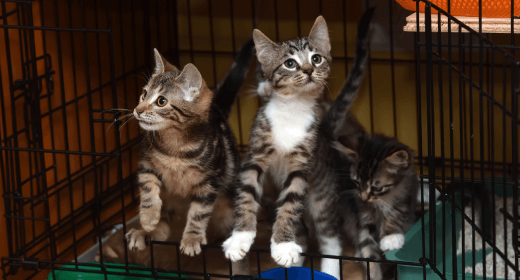
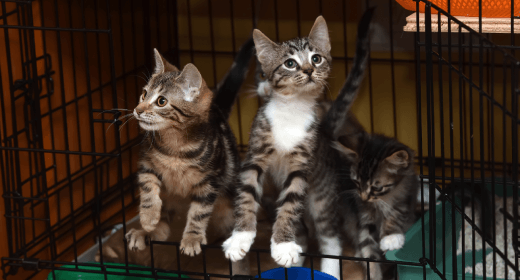
Adopting a cat can see you develop one of the most beautiful bonds of your life as you connect with your feline friend. Cats are playful creatures who can be very affectionate and form a strong relationship with you. Every time you play with your cat or simply spend time with them, you may notice a significant drop in stress levels and experience a boost of happiness. However, it is important to remember that cat adoption is a big decision which comes with a lot of responsibilities. Your home will become the cat’s home and you become their family. To ensure they get the best possible future with you, there are a few things that you need to understand before proceeding with cat adoption.
Whether you are opting to adopt a kitten or a grown cat, here are some things you need to consider before going through with the entire process.
Before you bring home an adopted or a rescued cat, you will need to make a few changes in your house to create favorable conditions for them. You can begin by doing the following:
Adopting a cat also has many benefits such as:
When adopting a cat, here are a few factors you should keep in mind:
To give your cat the best life, ensure that you have all of the following essentials: