IAMS PH
Tips for Feeding Your Senior Cat

adp_description_block164
Comprehensive Guide to Feeding Senior Cats

  • Share

Cats are known for their graceful demeanor and independent attitude. Their average lifespan is approximately 12 to 18 years. Cats over 3 years of age are deemed adults, and from the age of 11 years, they become senior cats.

Like most animals, cats’ eating habits also change with age - - kittens often need more food as they require more energy, and adult cats require a moderate amount of food to have sufficient energy. Senior cats often have a smaller appetite compared to their younger counterparts. Therefore, pet parents should keep track of their cat’s changing food requirements. Read the following if you too have queries related to feeding cats or how to feed older cats.
 

Why pay special attention to senior cats’ diets?

Your senior cat’s health and well-being are directly linked to their eating habits. Cat caregivers need to be more vigilant while feeding senior cats to ensure that their feline friend is provided with the right amount of nutrition and nourishment. 
 

As a pet parent, you need to be mindful when feeding your cat. It has different nutritional requirements at various stages of its life. Kittens need to be fed with uttermost care to ensure appropriate growth and development, adult cats need well-monitored feeding portions to avoid overeating, and senior cats need a regularized diet to maintain their health. Hence, senior cat food contains high-quality protein and added vitamin E for more bone and joint strength.
 

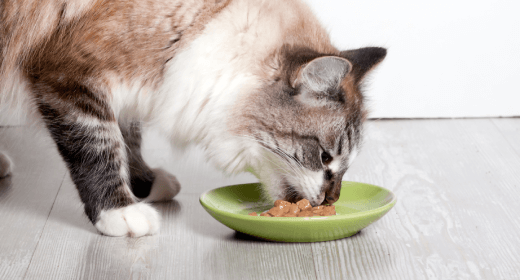
As cats grow older, their sense of taste and smell begin to fade. Senior cats also experience deteriorating teeth which affect their ability to chew. Hence, older cats’ caregivers need to take the following measures while feeding them:

  • Feed small bite-sized pieces of food instead of larger chunks
  • Include softer food so that it is easier for your senior cats to properly chew the food

  • Add food with higher meat content to enhance the food’s smell and flavor
     

Tips for feeding cats

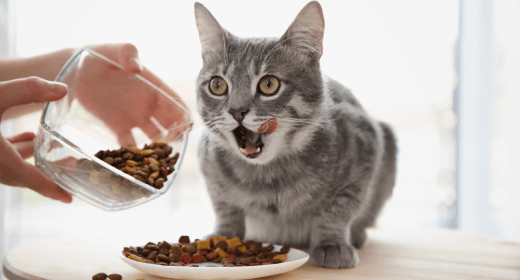
An old kitty or senior cat may need a small quantity of food with higher nutrients. Cat feeding tips help pet parents to provide the right nutrition and nourishment to their senior kitty. Here are a few essential tips that caregivers should consider when feeding their senior cats:
 

  1. Smaller meals:

     As the cats grow older, their appetite decreases. However, they still need high amounts of protein and vitamins to meet their daily nutritional quota. Therefore, if your senior cat has digestive issues, feed it at least 10 to 12 times a day, whereas healthy older cats should be fed three to four times a day.
  2. Room temperature food: 

    Instead of serving food too hot or too cold, pet parents should serve it in normal room temperature. As older cats find it difficult to smell, room-temperature food helps them taste and smell the food better.
  3. High-quality:

     Feed only high-quality easy-to-digest food to adult and senior kitties. Good quality cat food contains vital nutrients such as protein, carbohydrates, vitamins, and moisture to suffice your senior kitty’s nourishment needs.

    Even though the food requirements of cats depend on the kitty’s age, you should also take their health condition, weight, appetite, and lifestyle into consideration. Pet parents are also recommended to consult a veterinary doctor to understand their kitty’s health requirements, nutritional deficiencies, and underlying diseases before selecting a diet plan or senior cat food brand.


Frequently asked questions

  1. How much food should I feed my senior cat?
  2. Average-weight senior cats need approximately 280 to 360 calories a day. Pet parents are often advised to feed their geriatric cats high-quality cat food depending on their weight, health condition, and nutritional deficiencies.

  3. How often should you feed a senior cat?
  4. Ideally, your senior cat should be fed a small portion of high-quality cat food at least three to four times a day. However, if your kitty has digestive issues, then you should feed it smaller portions 10 to 12 times a day.

  5. Is it important to feed geriatric cats senior cat food?
  6. Yes, you should feed senior cat food to your older kitty as this type of food is specifically formulated for meeting their nutritional requirements.

  7. What are the benefits of senior cat food?
  8. The benefits of senior cat food are as mentioned below:

    • Higher antioxidants for better immunity.
    • High fiber content for better digestive health.
    • Added vitamins for improved joint and bone health.

  9. At what age is a cat considered a senior cat?
  10. Cats older than 11 years are considered senior cats.

  • Kitten Basics: How to Keep Your Kitten in Good Health
    Kitten Basics: How to Keep Your Kitten in Good Health-mob
    adp_description_block5
    The Complete Guide to Raising a Healthy Kitten: How to Take Care of Your Feline Friend

    • Share

    A newborn cat brings endless love and laughter to any household. However, as a new kitten parent, it is important to understand that caring for a kitten is not just about feeding and playing with them. Kittens have specific dietary needs, and it is important to provide them with high-quality kitten food that meets their nutritional requirements. Regular grooming, vaccination, and preventive care are essential in keeping your kitten healthy and free from diseases. This guide will give you all the information you need to raise a healthy kitten and ensure that it grows into a happy and healthy adult cat.


    Requirements for keeping your kitten in good health

    1. Keep your kitten clean: Regular grooming and bathing will help keep your kitten's coat shiny and free of parasites. Use a mild shampoo and do not forget to dry its coat thoroughly after a bath. This will help remove dirt and debris from the coat and prevent skin infections.
    2. Provide adequate nutrients: Kittens have specific dietary needs, and it's essential to provide them with high-quality kitten food that meets their nutritional requirements. Kitten food is formulated to give them the essential cat nutrients they need during their growth stage.
    3. Provide socialization: Kittens are social creatures, and it's important to provide them with plenty of opportunities to interact with other cats and humans. This will help them develop their social skills and prevent any behavioural issues in the future.
    4. Take preventive measures against diseases: Regular visits to the vet, vaccinations and preventative care will help keep your kitten healthy and free from diseases. By staying up to date with your kitty’s vaccinations, you can keep serious and fatal diseases at bay.


    Kitten development milestones

    Check out the below table to understand how a cat develops with time:

    Age

    Milestone

    5 to 6 months old

    Sexual maturity

    8 months old

    Full set of adult teeth

    9 months old

    Comparable digestion ability to adult

    12 months old (female) and 18 months old (male)

    Reach adult body weight

    Between 10 to 12 months of age

    Energy requirements go down to adult levels

    Want to know how old your cat is in human years? Check out the below table and find out:

    Life stageCat ageCat age in human years
    Kitten0 to 1 month old0 to 1 years old
    2 months old2 years old
    3 months old4 years old
    4 months old6 years old
    5 months old8 years old
    6 months old10 years old
    Junior7 months old12 years old
    12 months old15 years old
    18 months old21 years old
    2 years old24 years old
    Adult3 years old28 years old
    4 years old32 years old
    5 years old36 years old
    6 years old40 years old
    Mature7 years old44 years old
    8 years old48 years old
    9 years old52 years old
    10 years old56 years old
    Senior11 years old60 years old
    12 years old64 years old
    13 years old68 years old
    14 years old72 years old
    Super senior15 years old76 years old
    16 years old80 years old
    17 years old84 years old
    18 years old88 years old
    19 years old92 years old
    20 years old96 years old
    21 years old100 years old
    22 years old104 years old
    23 years old108 years old
    24 years old112 years old
    25 years old116 years old

    Checklist for your kitten's body conditions


    1. Ears: Check for any signs of infection, such as redness or discharge
    2. Eyes: Look for any signs of discharge or cloudiness
    3. Nose: Check for any signs of discharge or congestion
    4. Mouth: Look for any signs of inflammation or infection
    5. Skin and Coat: Check for any signs of parasites, such as fleas or ticks
    6. Nails: Check for any signs of overgrowth or cracking
    7. Attitude: Look for any signs of lethargy or depression
    8. Digestion: Watch for any signs of constipation or diarrhoea
    9. Thirst: Make sure your kitten is drinking enough water

    In conclusion, raising a healthy kitten requires a lot of care and attention, but with the right knowledge and commitment, you can ensure that your kitten grows into a happy and healthy adult cat. Always consult your veterinarian for any questions or concerns, and don't hesitate to seek advice or guidance. With the right care and love, your kitten will bring you years of joy and companionship.

    Kitten Basics: How to Keep Your Kitten in Good Health
    Kitten Basics: How to Keep Your Kitten in Good Health
Close modal