Enter a keyword below to search for articles and products.
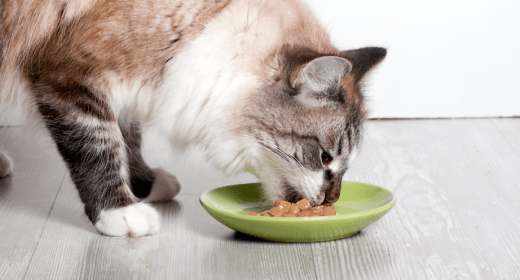
Cats are known for their graceful demeanor and independent attitude. Their average lifespan is approximately 12 to 18 years. Cats over 3 years of age are deemed adults, and from the age of 11 years, they become senior cats.
Like most animals, cats’ eating habits also change with age - - kittens often need more food as they require more energy, and adult cats require a moderate amount of food to have sufficient energy. Senior cats often have a smaller appetite compared to their younger counterparts. Therefore, pet parents should keep track of their cat’s changing food requirements. Read the following if you too have queries related to feeding cats or how to feed older cats.
Your senior cat’s health and well-being are directly linked to their eating habits. Cat caregivers need to be more vigilant while feeding senior cats to ensure that their feline friend is provided with the right amount of nutrition and nourishment.
As a pet parent, you need to be mindful when feeding your cat. It has different nutritional requirements at various stages of its life. Kittens need to be fed with uttermost care to ensure appropriate growth and development, adult cats need well-monitored feeding portions to avoid overeating, and senior cats need a regularized diet to maintain their health. Hence, senior cat food contains high-quality protein and added vitamin E for more bone and joint strength.
As cats grow older, their sense of taste and smell begin to fade. Senior cats also experience deteriorating teeth which affect their ability to chew. Hence, older cats’ caregivers need to take the following measures while feeding them:
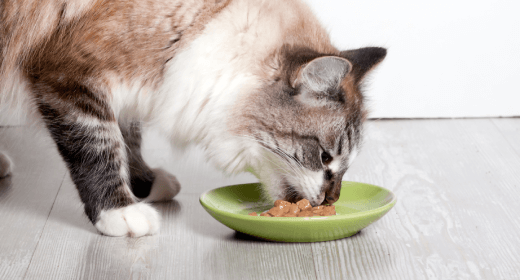
Include softer food so that it is easier for your senior cats to properly chew the food
Add food with higher meat content to enhance the food’s smell and flavor
An old kitty or senior cat may need a small quantity of food with higher nutrients. Cat feeding tips help pet parents to provide the right nutrition and nourishment to their senior kitty. Here are a few essential tips that caregivers should consider when feeding their senior cats:
Even though the food requirements of cats depend on the kitty’s age, you should also take their health condition, weight, appetite, and lifestyle into consideration. Pet parents are also recommended to consult a veterinary doctor to understand their kitty’s health requirements, nutritional deficiencies, and underlying diseases before selecting a diet plan or senior cat food brand.
Average-weight senior cats need approximately 280 to 360 calories a day. Pet parents are often advised to feed their geriatric cats high-quality cat food depending on their weight, health condition, and nutritional deficiencies.
Ideally, your senior cat should be fed a small portion of high-quality cat food at least three to four times a day. However, if your kitty has digestive issues, then you should feed it smaller portions 10 to 12 times a day.
Yes, you should feed senior cat food to your older kitty as this type of food is specifically formulated for meeting their nutritional requirements.
The benefits of senior cat food are as mentioned below:
Cats older than 11 years are considered senior cats.
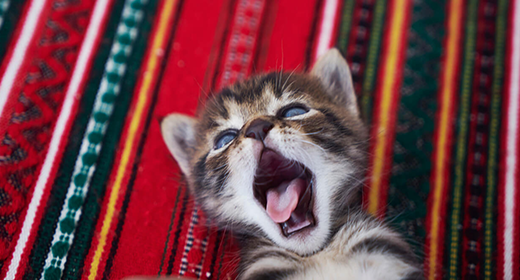
As a new kitten parent, maintaining your pet's oral health is crucial. Teething is one of the most important stages and it is essential to start good oral hygiene practices during this period. A healthy mouth is vital for your kitten's overall wellbeing. It can prevent dental issues such as plaque, tartar, and tooth decay. Not sure how to support your kitten’s oral health during its growth years? This guide will provide you with the knowledge you need to keep your kitten's teeth and gums strong and healthy.
To ensure proper kitten dental care, it is important to be aware of the stages of your kitten's dental growth. Kittens are born toothless but begin to develop teeth once they turn 2 or 3 weeks old. By 8-12 weeks, they will have all their primary teeth. These baby teeth will eventually be replaced with permanent adult teeth during the teething stage. This can cause discomfort, pain, swelling, or bleeding gums. It is imperative to consult your vet and make this period a little bearable for your little pal.
Want to ensure your kitten's dental health? Here's a step-by-step guide on how to properly brush its teeth:
Gently lift your kitten's lip and brush their teeth in a circular motion. Make sure to reach all surfaces. Use a soft-bristled brush designed for cats and toothpaste formulated for them.
Use a small amount of toothpaste and make sure your kitten doesn't swallow it.
Reward your kitten with a treat or cuddles after each brushing session to make the experience a positive one for them.
Gradually increase the frequency and duration of brushing once your kitten becomes more comfortable with the process. Remember to be patient and gentle when brushing your kitten's teeth as it may take some time for them to get used to it.
Maintaining the dental health of your kitten is crucial for their overall wellbeing. Here are some tips on how to prevent plaque and tartar buildup to keep your kitten's teeth and gums healthy:
Dental wipes, rinses, and pads: Dental wipes or pads can clean your kitten's teeth and gums. In fact, it is a useful alternative to brushing. Dental rinses can also freshen your kitten's breath and kill bacteria
Dental treats: Providing your kitten with dental treats can also keep their teeth clean and healthy. Look for treats formulated to reduce plaque and tartar. Moreover, avoid cat treats that are loaded with sugar.
Regular vet check-ups: It's essential to have regular check-ups with your vet to ensure that your kitten's teeth and gums are healthy. Your vet can also help you identify any issues that may arise and recommend an appropriate course of action.
Maintaining good oral health is essential for a cat’s overall wellbeing; hence, you must establish oral hygiene habits from its early age. Following the steps outlined in this guide can ensure that your kitten's teeth and gums remain healthy and strong throughout its life. Regular brushing, dental treats, and vet check-ups can help keep your kitten's mouth healthy. With your care and attention, your kitten can enjoy a fresh and healthy mouth for many years! Always consult your veterinarian if you have concerns or questions about your kitten's oral health.