IAMS PH
Tips for Feeding Your Senior Cat

adp_description_block53
Comprehensive Guide to Feeding Senior Cats

  • Share

Cats are known for their graceful demeanor and independent attitude. Their average lifespan is approximately 12 to 18 years. Cats over 3 years of age are deemed adults, and from the age of 11 years, they become senior cats.

Like most animals, cats’ eating habits also change with age - - kittens often need more food as they require more energy, and adult cats require a moderate amount of food to have sufficient energy. Senior cats often have a smaller appetite compared to their younger counterparts. Therefore, pet parents should keep track of their cat’s changing food requirements. Read the following if you too have queries related to feeding cats or how to feed older cats.
 

Why pay special attention to senior cats’ diets?

Your senior cat’s health and well-being are directly linked to their eating habits. Cat caregivers need to be more vigilant while feeding senior cats to ensure that their feline friend is provided with the right amount of nutrition and nourishment. 
 

As a pet parent, you need to be mindful when feeding your cat. It has different nutritional requirements at various stages of its life. Kittens need to be fed with uttermost care to ensure appropriate growth and development, adult cats need well-monitored feeding portions to avoid overeating, and senior cats need a regularized diet to maintain their health. Hence, senior cat food contains high-quality protein and added vitamin E for more bone and joint strength.
 

As cats grow older, their sense of taste and smell begin to fade. Senior cats also experience deteriorating teeth which affect their ability to chew. Hence, older cats’ caregivers need to take the following measures while feeding them:

  • Feed small bite-sized pieces of food instead of larger chunks
  • Include softer food so that it is easier for your senior cats to properly chew the food

  • Add food with higher meat content to enhance the food’s smell and flavor
     

Tips for feeding cats

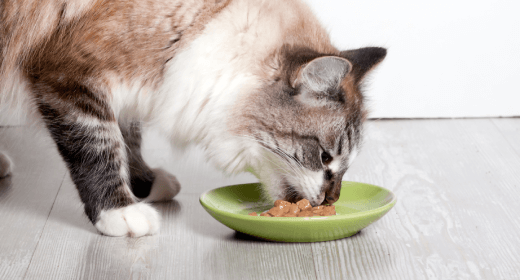
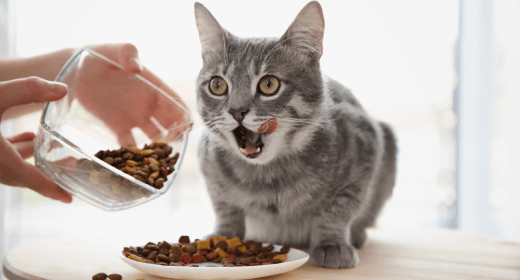
An old kitty or senior cat may need a small quantity of food with higher nutrients. Cat feeding tips help pet parents to provide the right nutrition and nourishment to their senior kitty. Here are a few essential tips that caregivers should consider when feeding their senior cats:
 

  1. Smaller meals:

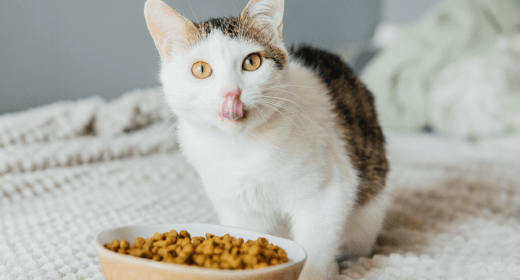
     As the cats grow older, their appetite decreases. However, they still need high amounts of protein and vitamins to meet their daily nutritional quota. Therefore, if your senior cat has digestive issues, feed it at least 10 to 12 times a day, whereas healthy older cats should be fed three to four times a day.
  2. Room temperature food: 

    Instead of serving food too hot or too cold, pet parents should serve it in normal room temperature. As older cats find it difficult to smell, room-temperature food helps them taste and smell the food better.
  3. High-quality:

     Feed only high-quality easy-to-digest food to adult and senior kitties. Good quality cat food contains vital nutrients such as protein, carbohydrates, vitamins, and moisture to suffice your senior kitty’s nourishment needs.

    Even though the food requirements of cats depend on the kitty’s age, you should also take their health condition, weight, appetite, and lifestyle into consideration. Pet parents are also recommended to consult a veterinary doctor to understand their kitty’s health requirements, nutritional deficiencies, and underlying diseases before selecting a diet plan or senior cat food brand.


Frequently asked questions

  1. How much food should I feed my senior cat?
  2. Average-weight senior cats need approximately 280 to 360 calories a day. Pet parents are often advised to feed their geriatric cats high-quality cat food depending on their weight, health condition, and nutritional deficiencies.

  3. How often should you feed a senior cat?
  4. Ideally, your senior cat should be fed a small portion of high-quality cat food at least three to four times a day. However, if your kitty has digestive issues, then you should feed it smaller portions 10 to 12 times a day.

  5. Is it important to feed geriatric cats senior cat food?
  6. Yes, you should feed senior cat food to your older kitty as this type of food is specifically formulated for meeting their nutritional requirements.

  7. What are the benefits of senior cat food?
  8. The benefits of senior cat food are as mentioned below:

    • Higher antioxidants for better immunity.
    • High fiber content for better digestive health.
    • Added vitamins for improved joint and bone health.

  9. At what age is a cat considered a senior cat?
  10. Cats older than 11 years are considered senior cats.

  • Why Fiber Is Important For Your Cat’s Nutrition?
    Why Fiber Is Important For Your Cat’s Nutrition?
    adp_description_block101
    Benefits Of Fiber In Cat Food

    • Share

    High fiber cat food has become a mainstay for many cats with gastrointestinal problems. But why is fiber so crucial for cats?

    Fiber is a type of carbohydrate that isn't digested by a cat's gastrointestinal tract. It is important for cat health because it provides bulk to move food through. Some types of fiber can be fermented (broken down by bacteria) in the system. This process creates short-chain fatty acids (SCFA), which are an important energy source for the cells lining the intestinal tract.

    Thus, understanding the various types of fiber and when to include fiber in a cat's nutrition plan is crucial. High-fiber cat food often contains a combination of soluble and insoluble fibers that aid gastrointestinal health and improve stool quality. Some of these fiber elements are also known as prebiotics, which are nutrients (mostly fermentable fibers) that help the good bacteria in the intestines grow. 

    Soluble fiber for cats, such as gums and pectins, are the best at absorbing water. These fibers are typically highly fermentable and provide the required energy source. Adding such soluble fibers to your cat’s diet can help it maintain a healthy colonic mucosa and boost immune function in the lower intestine.

    Insoluble fibers, such as lignin or cellulose, have a variety of therapeutic properties and can be utilised in your cat’s meal to promote its gastrointestinal health.

    What's Good For You May Not Be Good For Your Cat

    Today, people are more aware of fiber and its role in their diet. Studies showing the beneficial effects of higher fiber levels in humans influence the way many people think about their own food and that of their pets. Some manufacturers now apply the recommendations of human nutritionists and make high-fiber diets for cats, but cats have a much shorter digestive tract than we do. And unlike humans, cats are carnivorous, so their nutritional needs are better satisfied with meat rather than plant matter. Therefore, cats have different dietary needs than humans. For more than 60 years, companion animal nutritionists at IAMS™ have been studying diets to meet the special nutritional needs of cats.

    What Is Microbiome In Cats?

    • A microbiome is the microbial population (fungi, bacteria, viruses, and other microscopic organisms) that resides in the digestive systems of cats. This biological habitat is necessary for proper digestion. The bacteria in cat intestines aid in the digestion of indigestible materials and the production of useful substances such as vitamins.

    How Does The Gut Microbiome React With Fibrous Food?

    • Some high-fiber cat foods aid in the nourishing of good bacteria and the maintenance of a healthy microbiome.

    Furthermore, fiber-rich cat food benefit cats suffering from GI illnesses of the large intestine. Fiberous food can assist in preserving their GI motility and water balance. This is turn helps prevent constipation and diarrhea in cats.

    Fiber Levels And Fermentability

    IAMS Company research shows the optimal crude fiber level for healthy cat’s ranges from 1.4% to 3.5%. At these levels, nutrient breakdown is maximized. In unique situations, such as hairballs, higher fiber levels may be beneficial.

    An important characteristic of fiber is its fermentability, or how well it can be broken down by bacteria in the intestine. This breakdown produces short-chain fatty acids, which provide energy to the intestines. Fiber varies in fermentability. Fiber sources used in pet foods include cellulose, which is poorly fermentable; beet pulp, which is moderately fermentable; and gums and pectin, which can be highly fermentable. Research has shown that moderate levels of moderately fermentable fiber, such as beet pulp, provide the benefits of energy for the intestinal lining and bulk, without the negative effects of excessive stool or gas and, therefore, are beneficial in cat diets.

    Some Advantages Of High Fibrous Food

    High moisture, protein, and minimum carbohydrate matter are all key ingredients in high fiber cat diets. Here are some benefits of high-fibrous food for your cat:

    • Improves gastric activities in the gut - Soluble fiber in cat food helps in breaking down water and gastric juices in the gut.
    • Some soluble fiber dissolves in water and forms a gel that helps in storing water and makes your feline friend feel full.
    • Promotes bowel consistency - Insoluble fiber helps with stool consistency and gives more volume to your cat’s ingested meal.

    How Does High-Fibrous Help Cats With Diabetes Or Other Medical Conditions?

    Cats with medical issues can also greatly benefit from high-fiber foods. For instance, high-fiber wet cat food might help overweight cats in reducing overeating and lowering their risk of obesity. What’s more is, adding fibrous food to your cat’s meal will also help your pet eliminate more nitrogen through their stool, thus sparing the kidneys. In fact, many dietary fibers inhibit nutrient absorption qualities, which help to lessen the rate at which the GI tract assimilates glucose, thereby keeping the blood sugar levels stable.

    High Fiber And Weight Loss

    High levels of poorly fermentable fiber are used in some weight-reduction pet foods to dilute the calories in a serving. IAMS Company research shows that high fiber levels can make it harder to digest other nutrients in the food and, in turn, reduce the nutritional quality of a cat's diet. Your cat making more trips to the litter box can be a result.

    When Should You Give Low Fibrous Food To Your Cat?

    Low fibrous food contains nutrients such as electrolytes and B-vitamins that aid recuperation in cats. This type of food is usually recommended by veterinarians for cats who are prone to having a quick onset of GI disturbance. Therefore, when choosing a meal for your cat, always visit a veterinarian. If your cat is on a high-fiber diet, their veterinarian should keep an eye on them to ensure that their fiber-responsive symptoms are under control.

    Fiber And IAMS Cat Foods

    When choosing a pet food, fiber is an important consideration, but remember that the needs of cats are not the same as those of humans. A moderate level of moderately fermentable fiber, such as beet pulp, provides proven nutritional benefits for cats. Cat diets containing high levels of poorly fermentable fiber dilute calories and deprive cats of the nutrients they need.

    All IAMS products are made with levels of moderately fermentable fiber needed to promote intestinal health. And all IAMS foods, such as IAMS ProActive Health™ Adult Original with Chicken, contain the moderately fermentable fiber system, which is the exclusive property of IAMS Company and is protected by U.S. Patent No. 5,616,569 for Pet Food Products Containing Fermentable Fibers and Process for Treating Gastrointestinal Disorders.

Close modal