Enter a keyword below to search for articles and products.
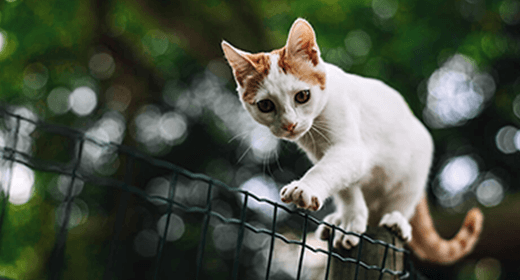
Cats are carnivorous animals who typically depend on meat protein for their regular growth and development. But can kittens eat raw meat? Well, while cats do enjoy feasting on meat from other animals, they should do so only after a certain age. Younger kittens generally do not have the metabolism and capacity to digest raw meat. Hence, pet parents should start a raw diet for kittens only once they turn 3 to 4 weeks old.
Although cats relish their portion of raw meat, feeding it to kittens is a totally different topic. Since kittens are still at a developing stage, they are more sensitive and need additional care. Yet, feeding raw meat to kittens is not an unheard practice. However, uncooked and unprocessed raw meat often carry harmful microbes which may hamper the kitty’s health. Hence, it is not recommended to feed raw meat to kittens.
While there is no evidence that raw meat offers more nutrition than other types of cat food (and vice versa), here are two reasons why kittens shouldn’t eat raw meat:
Raw food is not recommended for cats because it contains bacteria like Salmonella and listeria. These bacteria can make both the pet as well as caregivers sick. And it is no news that food-borne diseases can at times be fatal.
Raw meat often contains small bone pieces and that can be dangerous for the kitten. These pieces can cause intestinal blockage. In fact, they can even cut the insides of your pet’s digestive system. Moreover, bone pieces can also fracture the cat’s teeth. If your cat is an aggressive chewer, feeding raw meat with bones could even break your feline friend’s tooth.
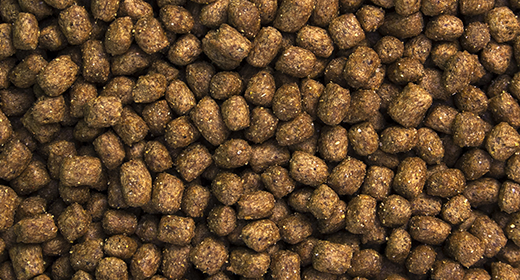
Now, as a cat parent, you might assume that home-cooked food is the best choice for your cat. However, it is a daunting and time-consuming process. You will have to understand cat’s feeding needs to ensure that it meets the daily nutrition quota. Along with protein, our feline family member also needs essential micronutrients like iron sodium, chloride, magnesium, etc. Hence, going for wet cat food products and kibbles is a feasible option. It saves you the effort of cooking food every day while also offering complete nutrition to your pet. Let’s explore the benefits of feeding wet cat food and kibbles to your cat:
Note: Get in touch with your vet to make sure you feed the right quantities of both wet and dry cat food to your pet.
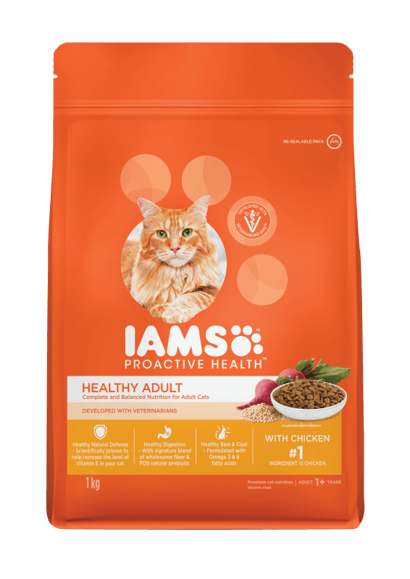
At IAMS, we offer dry cat food and kibbles that are made with premium-quality meat like chicken, tuna, and salmon. Along with being rich in protein, our range of cat food is also loaded with essential vitamins and minerals for cats.
If your cat accidently eats raw meat, take it to your vet as soon as possible. Cats exhibit the following symptoms every time they eat something their system doesn’t accept:
If a cat eats raw meat, it can lead to food-borne diseases, digestive issues, and tooth fracture.
No, raw food is not safe for kittens as it often contains infectious bacteria and small bone pieces that can cause fatal health problems.
Since kittens are still at a growing stage, their immune system is not strong enough to fight harmful bacteria present in raw meat. Hence, it is not recommended to feed any kind of raw meat to kittens.
No. Kittens shouldn’t eat raw chicken as it can cause severe health problems. Since cats are carnivores, they require animal protein for sustenance. Hence, cat parents should opt for wet and/or dry cat food that are developed to support your pet’s overall health.
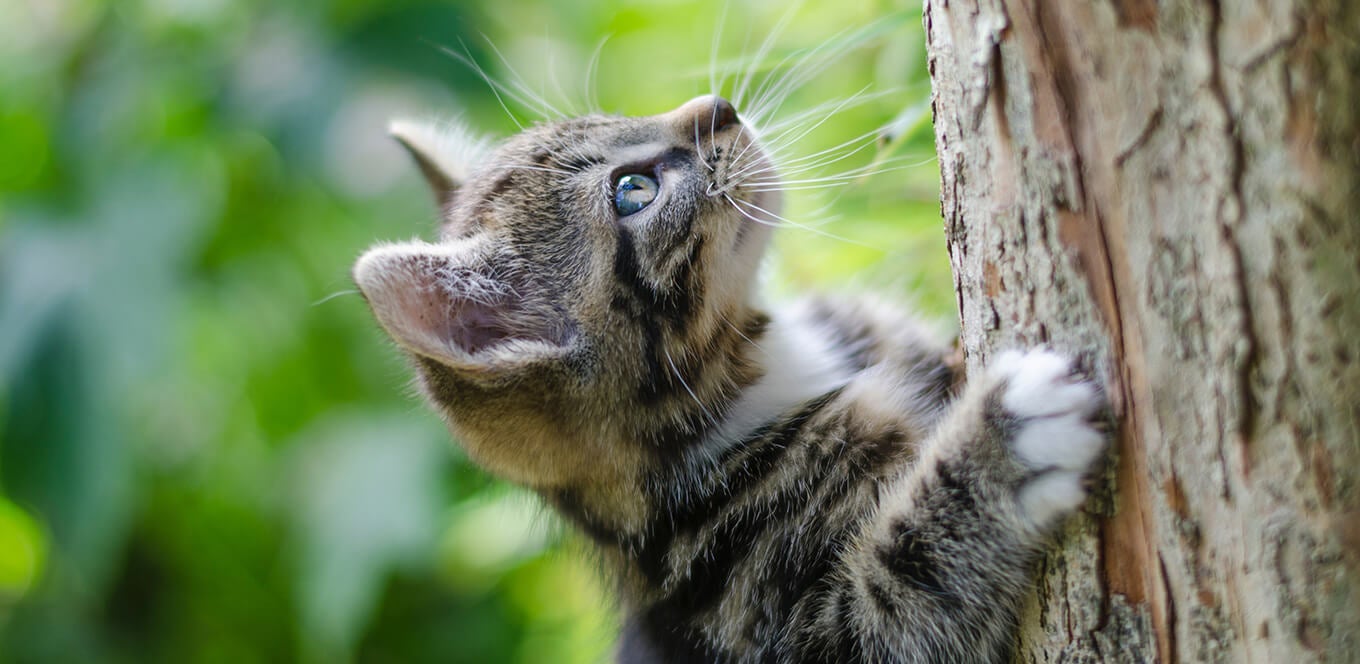
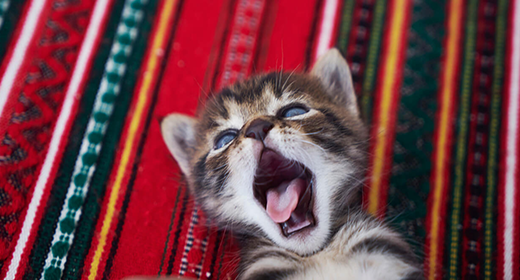
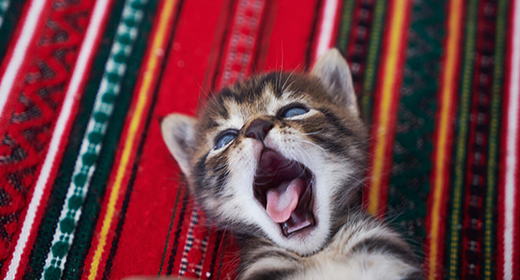
As a new kitten parent, maintaining your pet's oral health is crucial. Teething is one of the most important stages and it is essential to start good oral hygiene practices during this period. A healthy mouth is vital for your kitten's overall wellbeing. It can prevent dental issues such as plaque, tartar, and tooth decay. Not sure how to support your kitten’s oral health during its growth years? This guide will provide you with the knowledge you need to keep your kitten's teeth and gums strong and healthy.
To ensure proper kitten dental care, it is important to be aware of the stages of your kitten's dental growth. Kittens are born toothless but begin to develop teeth once they turn 2 or 3 weeks old. By 8-12 weeks, they will have all their primary teeth. These baby teeth will eventually be replaced with permanent adult teeth during the teething stage. This can cause discomfort, pain, swelling, or bleeding gums. It is imperative to consult your vet and make this period a little bearable for your little pal.
Want to ensure your kitten's dental health? Here's a step-by-step guide on how to properly brush its teeth:
Gently lift your kitten's lip and brush their teeth in a circular motion. Make sure to reach all surfaces. Use a soft-bristled brush designed for cats and toothpaste formulated for them.
Use a small amount of toothpaste and make sure your kitten doesn't swallow it.
Reward your kitten with a treat or cuddles after each brushing session to make the experience a positive one for them.
Gradually increase the frequency and duration of brushing once your kitten becomes more comfortable with the process. Remember to be patient and gentle when brushing your kitten's teeth as it may take some time for them to get used to it.
Maintaining the dental health of your kitten is crucial for their overall wellbeing. Here are some tips on how to prevent plaque and tartar buildup to keep your kitten's teeth and gums healthy:
Dental wipes, rinses, and pads: Dental wipes or pads can clean your kitten's teeth and gums. In fact, it is a useful alternative to brushing. Dental rinses can also freshen your kitten's breath and kill bacteria
Dental treats: Providing your kitten with dental treats can also keep their teeth clean and healthy. Look for treats formulated to reduce plaque and tartar. Moreover, avoid cat treats that are loaded with sugar.
Regular vet check-ups: It's essential to have regular check-ups with your vet to ensure that your kitten's teeth and gums are healthy. Your vet can also help you identify any issues that may arise and recommend an appropriate course of action.
Maintaining good oral health is essential for a cat’s overall wellbeing; hence, you must establish oral hygiene habits from its early age. Following the steps outlined in this guide can ensure that your kitten's teeth and gums remain healthy and strong throughout its life. Regular brushing, dental treats, and vet check-ups can help keep your kitten's mouth healthy. With your care and attention, your kitten can enjoy a fresh and healthy mouth for many years! Always consult your veterinarian if you have concerns or questions about your kitten's oral health.