IAMS PH
Myths About Feeding Your Kitten a Raw Meat Diet

adp_description_block129
Can Kittens Eat Raw Meat?

  • Share

Cats are carnivorous animals who typically depend on meat protein for their regular growth and development. But can kittens eat raw meat? Well, while cats do enjoy feasting on meat from other animals, they should do so only after a certain age. Younger kittens generally do not have the metabolism and capacity to digest raw meat. Hence, pet parents should start a raw diet for kittens only once they turn 3 to 4 weeks old.

Is raw meat good for kittens?

Although cats relish their portion of raw meat, feeding it to kittens is a totally different topic. Since kittens are still at a developing stage, they are more sensitive and need additional care. Yet, feeding raw meat to kittens is not an unheard practice. However, uncooked and unprocessed raw meat often carry harmful microbes which may hamper the kitty’s health. Hence, it is not recommended to feed raw meat to kittens.

Why can’t kittens eat raw meat?

While there is no evidence that raw meat offers more nutrition than other types of cat food (and vice versa), here are two reasons why kittens shouldn’t eat raw meat:

  • Infectious bacteria

Raw food is not recommended for cats because it contains bacteria like Salmonella and listeria. These bacteria can make both the pet as well as caregivers sick. And it is no news that food-borne diseases can at times be fatal.

  • Bone pieces

Raw meat often contains small bone pieces and that can be dangerous for the kitten. These pieces can cause intestinal blockage. In fact, they can even cut the insides of your pet’s digestive system. Moreover, bone pieces can also fracture the cat’s teeth. If your cat is an aggressive chewer, feeding raw meat with bones could even break your feline friend’s tooth.

Alternatives to raw meat for cats

Now, as a cat parent, you might assume that home-cooked food is the best choice for your cat. However, it is a daunting and time-consuming process. You will have to understand cat’s feeding needs to ensure that it meets the daily nutrition quota. Along with protein, our feline family member also needs essential micronutrients like iron sodium, chloride, magnesium, etc. Hence, going for wet cat food products and kibbles is a feasible option. It saves you the effort of cooking food every day while also offering complete nutrition to your pet. Let’s explore the benefits of feeding wet cat food and kibbles to your cat:

Wet cat food

  • It contains 78% moisture; hence, wet cat food keeps dehydration at bay.
  • Since wet cat food is made using animal protein, it offers essential amino acids like taurine to cats.
  • Cat food brands like IAMS understand a cat’s nutritional needs. Hence, you do not have to worry about your pet’s diet being high on carbs.
  • Micronutrients are essential for a healthy immune system. Therefore, wet cat foods are loaded with chloride, potassium, magnesium, iron, vitamins, etc.

Kibbles

  • Kibbles work well with dispenser toys; hence, they can be used to provide mental stimulation.
  • Since this type of cat food is dry and crunchy, it reduces plaque and tartar build up.
  • Kibbles have a better shelf life and are easy to store as well as serve.
  • If your cat is malnourished, this high-calorie food will help your pet gain the necessary weight and energy.

Note: Get in touch with your vet to make sure you feed the right quantities of both wet and dry cat food to your pet. 

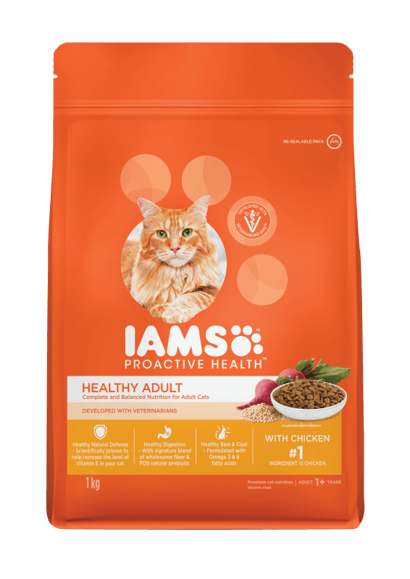
At IAMS, we offer dry cat food and kibbles that are made with premium-quality meat like chicken, tuna, and salmon. Along with being rich in protein, our range of cat food is also loaded with essential vitamins and minerals for cats.

What should you do if your cat eats raw meat?

If your cat accidently eats raw meat, take it to your vet as soon as possible. Cats exhibit the following symptoms every time they eat something their system doesn’t accept:

  • Vomiting
  • Diarrhea
  • Lack of appetite
  • Lethargy

Frequently asked questions

  1. What happens when my kitten eats raw meat?
  2. If a cat eats raw meat, it can lead to food-borne diseases, digestive issues, and tooth fracture.

  3. Is raw food safe for kittens?
  4. No, raw food is not safe for kittens as it often contains infectious bacteria and small bone pieces that can cause fatal health problems.

  5. Can I feed my kitten raw meat if it is fresh?


  6. Since kittens are still at a growing stage, their immune system is not strong enough to fight harmful bacteria present in raw meat. Hence, it is not recommended to feed any kind of raw meat to kittens.

  7. Can kittens eat raw chicken?
  8. No. Kittens shouldn’t eat raw chicken as it can cause severe health problems. Since cats are carnivores, they require animal protein for sustenance. Hence, cat parents should opt for wet and/or dry cat food that are developed to support your pet’s overall health.
Myths About Feeding Your Kitten a Raw Meat Diet
  • Cat Nutrition Food and Importance of Protein for Cat
    Cat Nutrition Food and Importance of Protein for Cat
    adp_description_block300
    Cat Nutrition Food and Importance of Protein for Cat

    • Share

    Good nutrition is key to a long and healthy life for all living beings. That being said, cats need a balanced diet to be able to grow, maintain their body, stay active, and fight any illnesses or recover from them. As a pet parent, you must be aware of the right ingredients to include in your cat’s diet. 


    Cats are carnivores and they need nutrients that are found only in animal products. Cats were originally hunters and would feed on their prey to derive high amounts of protein, moderate amounts of fats, and some carbohydrates to maintain a nutritional diet. Today, most cats that are domesticated do not need to hunt but still require their food to contain the right proportions of nutrients to be able to live a healthy life. Apart from that, cats also need nutrients such as minerals, vitamins, fatty acids, and amino acids. 


    The best diet for cats will contain all the essential nutrients in the right proportions. A variety of ingredients can help you provide the right energy sources for your cat. For example, a nutrient like calcium can be derived from ingredients like dairy products, organ tissues, bones, bone meals, meat, legume plants, and through mineral supplements. Devising a cat diet plan is all about making sure your kitty gets the right amount of proteins, fats, carbohydrates, vitamins, minerals, and water. Keep reading to learn more about how different nutrients play a part in your cat’s well-being. 


    Importance of protein in cat food and its sources 

    As carnivores, cats need to eat a lot more protein as compared to many other animals. Protein is also the primary source of energy in cats as it helps them maintain skin, hair, muscle, fur, tendons, ligaments, cartilage, enzymes, antibodies, hormones, and more. Cats use protein for energy and for maintaining their blood glucose levels. Its liver enzymes are continuously breaking down proteins to do so. If cats do not consume enough protein, their bodies will start breaking down their own muscles to fulfill their energy requirements. 


    The two main sources of protein used in cat food are plant protein and animal protein. If you are a vegetarian and a vegetarian diet appeals to you for your cat, keep in mind that this may not be the best decision for your feline’s well-being because it will not be able to meet its nutritional requirements through plant protein sources alone. Certain nutrients are only present in animal protein such as taurine, methionine, and cystine. 


    Animal protein in cat food is derived from chicken, turkey, lamb, beef, and fish. Different meat meals and meat by-products are also available in the market today. While many pet parents may think that these meals are not a good option, they actually act as a great source of concentrated protein. 


    How much protein does my cat require?

    The right amount of protein for cats depends on their age. Adult cats need a high percentage of protein as compared to dogs, humans, or many other animals. While the exact proportions may vary, adult cats need around 26% protein in their meals. Protein requirements for kittens may change according to their medical history and age. It is best to consult a veterinarian to make sure your kitten receives the right nutrition. 


    Importance of vitamins in cat food and its sources 

    Vitamins are essential for your cat’s metabolic function and therefore must be included in small amounts in its diet. Many enzymes that help maintain normal feline metabolism cannot function without vitamins. 


    Several cat food ingredients such as fruits, vegetables, animal tissues, vegetable oils, grains, and seeds contain vitamins. It is very difficult to nail down the right amount of vitamins that your cat needs through just different foods. For this reason, vitamin supplements should be included in your cat’s diet. 


    How many vitamins do cats require? 

    If your cat is healthy and is eating a balanced and nutritious meal, additional vitamin supplements may not be necessary. In some cases, vitamin supplements can also be dangerous if your cat is already healthy and does not require them. It is best to consult a veterinarian and be sure of your cat’s health and its requirements. 


    Importance of minerals in cat food and its sources 

    Your cat’s body needs inorganic compounds, also known as minerals, to function properly. Many minerals that your cat needs are derived from animals and plant-based ingredients. However, for your cat’s food to be completely balanced, food manufacturers always add mineral protein to their food formulas. 


    How many minerals do cats require? 

    There are a lot of minerals that should be present in your cat’s diet such as calcium, phosphorus, potassium, magnesium, iron, sodium, chloride, copper, zinc, manganese, iodine, and selenium. These minerals help cats maintain nerve, muscle, and heart function. They also aid in enzyme function, supplying oxygen throughout the body, skeletal growth, and much more. Your cat’s food formula will always contain some minerals. If you want to be sure about your kitten getting the right nutrition, take it to the vet and let them decide the perfect cat diet plan for your furry friend. 


    What is crude fat? 

    Crude fat is estimated by extracting fats that are present using ether and the crude fat level of every cat food formula will be listed in the guaranteed analysis section on the packaging label. 


    Importance of fat in cat food and its sources 

    Including fats in your cat's diet is extremely important. While proteins are an important energy source for cats, fat is the most energy-rich nutrient in your cat's diet. They act as transport molecules that help carry out nerve impulses. Essential fat sources such as omega-3 fatty acids and omega-6 fatty acids help maintain your cat's skin, coat, and fur health.


    Fats and other essential fatty acids are found in food formulas that contain liver, chicken, beef, turkey, and fish. At times, manufacturers add extra fat to their formula. You can ascertain the same by checking the fat sources on the ingredient list label. Fish oil, beef fat, and soybean oil are examples of added fat. 


    How much fat do cats require? 

    Keeping cat food weight management is extremely important when it comes to fats. Cats need to maintain a certain body type to stay active. Hence, a diet with high levels of fats is not recommended. Your feline friend should not be consuming more fat than it requires on a daily basis. Doing so will lead to your cat putting on weight and inviting health troubles. Talk to your veterinarian to know the ideal fat content for your cat’s diet. 


    Importance of carbohydrates in cat food and its sources

    Many animals need carbohydrates to obtain energy. However, since cats derive most of their energy from proteins and fats, carbohydrates are not that important in their diet. No, this does not mean that you can completely stop including carbs in your cat’s diet. Small amounts of carbohydrates are ideal for your cat to derive some energy. A diet that contains high levels of carbs is not recommended for cats at all since it may aid in putting on weight and will attract serious diseases such as diabetes. 


    How much carbs do cats require? 

    Your cat’s diet should not include more than 10% of carbohydrates. Dry diets may have high amounts of carbohydrates. The only way to ensure that your cat is not eating too much carbs is by including wet food in its diet. 


    The best cat diet 

    The best diet for cats includes the right balance of all nutrients. A perfect balance of proteins, fats, carbohydrates, vitamins, minerals, and water will help your cat to grow healthy and maintain its ideal body weight. If you are concerned about your cat’s diet and need more insights on what to feed your cat in what proportions, simply reach out to your local veterinarian.

Close modal