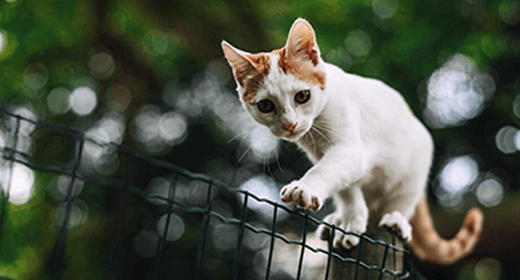
As a kitten parent, you want the best for your feline friend. One of the most important aspects of pet care is providing your kitty with a healthy environment that supports overall development. In fact, kitten enriched environment stimulates a happy and healthy life. It refers to providing cats with activities, toys, and other items that stimulate them mentally and physically. Enrichment can also help prevent behavioral problems such as scratching, biting, and destructive habits.
Environmental enrichment: Providing different environments for cats to explore and interact with can also be enriching. For example, you can create a cosy space for your kitten to relax or provide them with a scratching post and other items that they can use to mark their territory. You can also provide hiding spots like a box or a tunnel for your kitten to explore. This not only provides them with a sense of security but also gives them something new to explore.
Sensory enrichment: Cats have a keen sense of smell, sight, and touch. Provide your kitten with toys and items they can smell, see, or touch. For example, you can use toys with different textures or provide your kitten with a catnip plant to interact with. You can also offer different types of food for your kitten, so it can explore different flavours and textures.
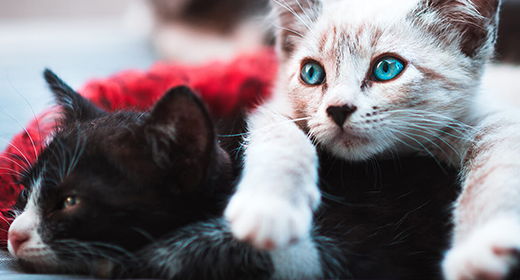
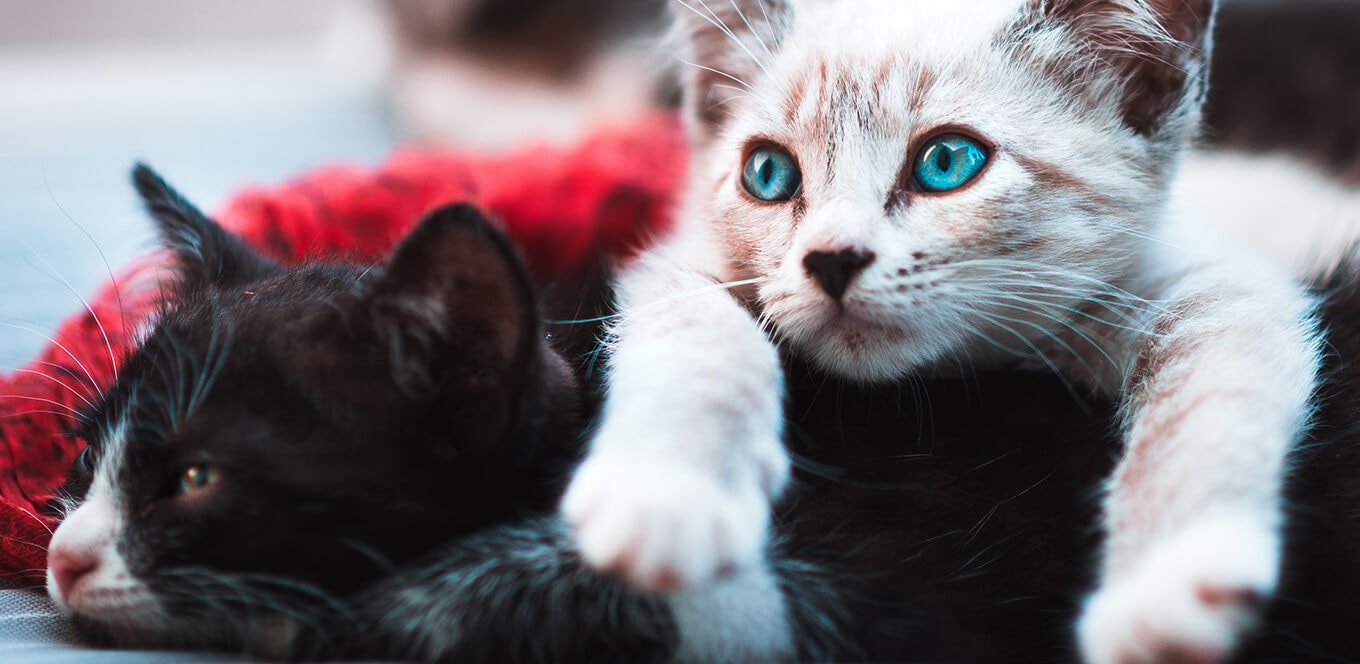
Social enrichment: Cats are social animals and thrive when they have companionship. If you only have one kitten, you can ensure companionship using a stuffed animal or a mirror. This will provide your kitty with the social stimulation it needs. If you have more than one cat, you can provide them with a kitten-friendly environment where they can interact with each other. This can include providing them with a shared space and interactive toys.
In addition to the above types of enrichment, you can also provide your kitten with various kitten enrichment activities to keep them engaged and stimulated. Some examples include:
Puzzle feeders: These interactive feeders require your kitten to figure out how to get the food out. They provide mental stimulation as well as physical exercise.
Window seats: Cats love to watch the world go by because it helps them explore something new and stay entertained every day.
Providing your cats with a kitten enriched environment is essential. It not only keeps them healthy and happy, but it also prevents behavioural problems. With your kitten training environment and other feline enrichment ideas, you can ensure that your cat is always engaged and happy. As a cat parent, it is important to take the necessary time to understand your kitten's needs and provide them with an environment that will help them thrive.
Environmental enrichment for cats is the provision of stimuli in their living environment that promotes overall wellbeing. This can include things such as climbing structures, scratching posts, interactive toys, and hiding spots. It also includes providing opportunities for cats to engage in natural behaviours such as hunting and exploring.
To get your kitten used to a new environment, gradually introduce them to the space and provide plenty of positive reinforcement, such as treats and praises. Give them a designated safe space like a cosy bed or carrier and allow them to explore at their own pace. Consult with a veterinarian for additional tips and guidance.
It typically takes a kitten around 2-4 weeks to fully adjust to a new environment. During this time, it is important to provide a safe and comfortable space for the kitten to explore and establish a routine. Consistency and patience are key in helping a kitten feel at home.
Kittens require a significant amount of attention and care as they are still growing and developing. They need regular feeding, grooming, playing, socializing, and training. It is recommended to spend at least a few hours each day interacting with and caring for your kitten. Consult with a veterinarian for specific recommendations based on your kitten's age and individual needs.
How can you help your kitten live a long and healthy life? Although you can’t predict the health of your cat with certainty, you can increase the probability of both her general health and a long life through proper care that begins as soon as you bring her home. Your veterinarian can advise further on these five key considerations for taking care of your kitten.
Feed your kitten high-quality food designed to meet nutritional needs during specific stages of her life. Your kitten’s nutritional requirements will depend on her life stage and lifestyle. No matter the life stage, cats are carnivores and require nutrients from animal protein and fat for optimal health.
Prevent obesity with prudent portion control and frequent play activities. Exercise relieves stress, reduces aggression and keeps cats alert. Just 15 to 30 minutes of play a day can help keep your cat in shape and strengthen the bond between the two of you. In addition, getting your kitten used to playtime early on will help you get used to playing with your cat routinely.
Keep your kitten inside to help reduce the risk of illness or injury from accidents, fights and disease. As your kitten gets older, you can help avoid the stress of harassment from other animals by keeping your kitten inside. You should make your home safe by protecting your cat from environmental dangers, such as household cleaners and secondhand smoke. Cats frequently groom themselves with their tongues, and over time, even small amounts of harmful chemicals can have adverse effects.
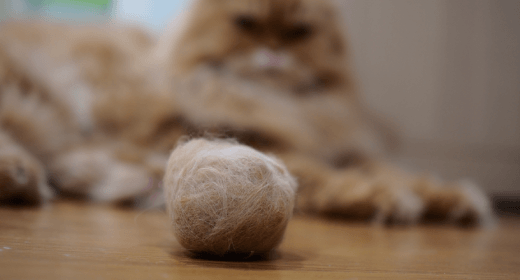
Groom your kitten early and often to get her used to brushing. When brushing, check for bumps or abnormalities, and promptly seek veterinary advice if you discover anything suspicious. Take your cat to the veterinarian at least annually for a complete physical exam, and follow your veterinarian’s advice regarding preventive health care measures.
Your veterinarian may also recommend periodic professional cleaning of your cat’s teeth, which may preserve years of her life.
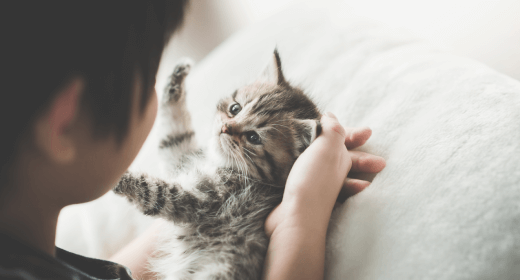
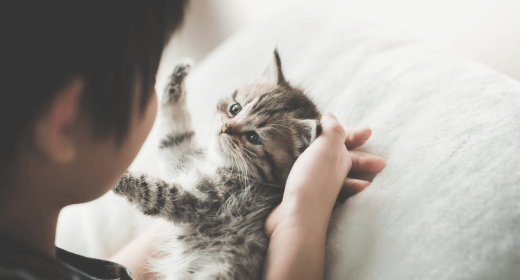
Last but not least, give your cat lots of love! Despite some cats’ aloof demeanor, all cats thrive on affection. Both you and your cat will reap the benefits of spending quality time together.
It was once thought that one year in the life of a cat was equivalent to seven years of a human life. Below is a revised way of looking at how a cat year stacks up to a human year.
| Cat Age | Human Age |
|---|---|
| 6 months | 10 years |
| 8 months | 13 years |
| 10 months | 14 years |
| 1 year | 15 years |
| 18 months | 20 years |
| 2 years | 24 years |
| 3 years | 28 years |
| 4 years | 32 years |
| 5 years | 36 years |
| 6 years | 40 years |
| 7 years | 44 years |
| 8 years | 48 years |
| 9 years | 52 years |
| 10 years | 56 years |
| 11 years | 60 years |
| 12 years | 64 years |
| 13 years | 68 years |
| 14 years | 72 years |
| 15 years | 76 years |
| 16 years | 80 years |
| 17 years | 84 years |
| 18 years | 88 years |
| 19 years | 92 years |
| 20 years | 96 years |
| 21 years | 100 years |


How can you help your kitten live a long and healthy life? Although you can’t predict the health of your cat with certainty, you can increase the probability of both her general health and a long life through proper care that begins as soon as you bring her home. Your veterinarian can advise further on these five key considerations for taking care of your kitten.
Feed your kitten high-quality food designed to meet nutritional needs during specific stages of her life. Your kitten’s nutritional requirements will depend on her life stage and lifestyle. No matter the life stage, cats are carnivores and require nutrients from animal protein and fat for optimal health.
Prevent obesity with prudent portion control and frequent play activities. Exercise relieves stress, reduces aggression and keeps cats alert. Just 15 to 30 minutes of play a day can help keep your cat in shape and strengthen the bond between the two of you. In addition, getting your kitten used to playtime early on will help you get used to playing with your cat routinely.
Keep your kitten inside to help reduce the risk of illness or injury from accidents, fights and disease. As your kitten gets older, you can help avoid the stress of harassment from other animals by keeping your kitten inside. You should make your home safe by protecting your cat from environmental dangers, such as household cleaners and secondhand smoke. Cats frequently groom themselves with their tongues, and over time, even small amounts of harmful chemicals can have adverse effects.
Groom your kitten early and often to get her used to brushing. When brushing, check for bumps or abnormalities, and promptly seek veterinary advice if you discover anything suspicious. Take your cat to the veterinarian at least annually for a complete physical exam, and follow your veterinarian’s advice regarding preventive health care measures.
Your veterinarian may also recommend periodic professional cleaning of your cat’s teeth, which may preserve years of her life.
Last but not least, give your cat lots of love! Despite some cats’ aloof demeanor, all cats thrive on affection. Both you and your cat will reap the benefits of spending quality time together.
It was once thought that one year in the life of a cat was equivalent to seven years of a human life. Below is a revised way of looking at how a cat year stacks up to a human year.
| Cat Age | Human Age |
|---|---|
| 6 months | 10 years |
| 8 months | 13 years |
| 10 months | 14 years |
| 1 year | 15 years |
| 18 months | 20 years |
| 2 years | 24 years |
| 3 years | 28 years |
| 4 years | 32 years |
| 5 years | 36 years |
| 6 years | 40 years |
| 7 years | 44 years |
| 8 years | 48 years |
| 9 years | 52 years |
| 10 years | 56 years |
| 11 years | 60 years |
| 12 years | 64 years |
| 13 years | 68 years |
| 14 years | 72 years |
| 15 years | 76 years |
| 16 years | 80 years |
| 17 years | 84 years |
| 18 years | 88 years |
| 19 years | 92 years |
| 20 years | 96 years |
| 21 years | 100 years |