As a new kitten parent, maintaining your pet's oral health is crucial. Teething is one of the most important stages and it is essential to start good oral hygiene practices during this period. A healthy mouth is vital for your kitten's overall wellbeing. It can prevent dental issues such as plaque, tartar, and tooth decay. Not sure how to support your kitten’s oral health during its growth years? This guide will provide you with the knowledge you need to keep your kitten's teeth and gums strong and healthy.
To ensure proper kitten dental care, it is important to be aware of the stages of your kitten's dental growth. Kittens are born toothless but begin to develop teeth once they turn 2 or 3 weeks old. By 8-12 weeks, they will have all their primary teeth. These baby teeth will eventually be replaced with permanent adult teeth during the teething stage. This can cause discomfort, pain, swelling, or bleeding gums. It is imperative to consult your vet and make this period a little bearable for your little pal.
Want to ensure your kitten's dental health? Here's a step-by-step guide on how to properly brush its teeth:
Gently lift your kitten's lip and brush their teeth in a circular motion. Make sure to reach all surfaces. Use a soft-bristled brush designed for cats and toothpaste formulated for them.
Use a small amount of toothpaste and make sure your kitten doesn't swallow it.
Reward your kitten with a treat or cuddles after each brushing session to make the experience a positive one for them.
Gradually increase the frequency and duration of brushing once your kitten becomes more comfortable with the process. Remember to be patient and gentle when brushing your kitten's teeth as it may take some time for them to get used to it.
Maintaining the dental health of your kitten is crucial for their overall wellbeing. Here are some tips on how to prevent plaque and tartar buildup to keep your kitten's teeth and gums healthy:
Dental wipes, rinses, and pads: Dental wipes or pads can clean your kitten's teeth and gums. In fact, it is a useful alternative to brushing. Dental rinses can also freshen your kitten's breath and kill bacteria
Dental treats: Providing your kitten with dental treats can also keep their teeth clean and healthy. Look for treats formulated to reduce plaque and tartar. Moreover, avoid cat treats that are loaded with sugar.
Regular vet check-ups: It's essential to have regular check-ups with your vet to ensure that your kitten's teeth and gums are healthy. Your vet can also help you identify any issues that may arise and recommend an appropriate course of action.
Maintaining good oral health is essential for a cat’s overall wellbeing; hence, you must establish oral hygiene habits from its early age. Following the steps outlined in this guide can ensure that your kitten's teeth and gums remain healthy and strong throughout its life. Regular brushing, dental treats, and vet check-ups can help keep your kitten's mouth healthy. With your care and attention, your kitten can enjoy a fresh and healthy mouth for many years! Always consult your veterinarian if you have concerns or questions about your kitten's oral health.


Kittens typically begin teething when they are around 3-4 weeks old. By 6 months of age, a kitten should have a complete set of 30 adult teeth. However, some kittens may take up to 9 months to fully develop their adult teeth.
When kittens are going through the teething process, they may bite more frequently to relieve discomfort and pressure associated with new teeth growing. To help alleviate this behavior, it is important to provide appropriate chew toys and discourage the biting of hands or other inappropriate objects. It's always best to consult with a veterinarian for further advice.
It's recommended to brush your kitten's teeth as soon as they develop adult teeth, i.e. when your pet is around 3-4 months old. However, it's important to consult with a veterinarian first to ensure that you are using the right technique and check your kitten's dental health before starting a regular tooth-brushing routine.
To maintain the oral health of your kittens, it is essential to schedule regular dental check-ups with a veterinarian, brush their teeth every day using toothpaste made for cats, and provide them with toys and treats that promote dental hygiene. Additionally, make sure that they are consuming a diet that supports dental health.
Yes, it is possible to maintain your cat's dental hygiene without brushing its teeth. This can be done by giving them hard and crunchy food, providing them with chew toys, and scheduling regular dental check-ups and cleanings with a veterinarian. Additionally, it is important to keep an eye on your cat's eating habits and address any dental issues as soon as they arise.
According to a recent study, a cat's taste buds are very different compared to other animals. They possess more receptors for bitterness than sweetness, this makes most cats very finicky and picky about what they eat. Lack of poor eating habits can thus lead to poor nourishment and unhealthy development. Hence, cat parents are required to pay special attention to what their kitties eat, how much they eat, and how often. Feeding them a bowl full of treats and meals is not enough, caregivers also need to consider the nutritional value of their feline friend’s meal.
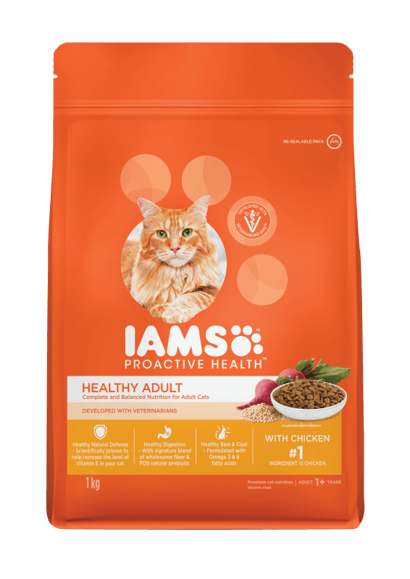
Choosing the right cat food to provide an adequate amount of vitamins for cats is important. Besides, being carnivorous animals, cats prefer animal-based products over the plant-based ones. IAMS cat food is high-quality animal-based protein that includes essential amino acids required for your kitty’s nourishment.
Cats need specific nutrients for appropriate growth and development. Components like vitamins, minerals, protein, fiber, carbohydrates, and fat are some of the essential nutrients present in good-quality cat food. Cats can get most of these nutrients from food like dairy, bone meal, legume plants, animal organs, and dietary supplements. The following are the necessary cat food nutrients to look for:
Look for the following to ensure you only invest in the best meals for your cats when buying cat food:
You can also choose IAMS cat food to feed your kitty a complete and nourishing meal. IAMS cat food contains unique fatty acids that result in healthier skin, shiny fur, adequate membrane structure, and improved health. Besides, the fermented fiber present in IAMS products improves intestinal health by boosting your kitty’s digestive and gastrointestinal functions.
With our wide range of cat foods, you can choose the one that fits your pet’s needs and preference. IAMS Proactive Health Healthy Adult is made with love to ensure your cat has a shiny coat, healthy skin, and strong muscles. It comes in different flavors like Chicken, Tuna and Salmon Meal as well as Chicken and Salmon Meal.
If you are concerned about issues like unhealthy weight and hairball, you can include IAMS Proactive Health Indoor Weight and Hairball Care. It is loaded with L-carnitine, natural fiber and high-quality protein for weight management and hairball care.
The following are some essential minerals for cats:
Cats need potassium for nerve function, muscular contraction, and heart rhythm as this mineral is an electrolyte.
Calcium is an important mineral for bone and teeth growth.
This mineral ensures muscle contraction, provides hydration, and powers nerve impulses.
Sodium and chloride work together as electrolytes to maintain acid-base balance, muscle contraction, nerve impulse transmission, and hydration.
This mineral is essential for your metabolism and vital growth. It also supports your teeth and bone health.
Cats need iron for transporting energy in their bodies.
This mineral works in conjunction with vitamin E and works as an essential antioxidant.
Cats require copper for bone growth, skin pigmentation as well as the absorption and transportation of iron.
This mineral is significant for enzyme function and digestion of proteins, fats, and carbohydrates in cats.
Another essential mineral for cats is zinc. They need it for metabolising lipids, protein, nuclei, and carbohydrates.
This mineral for cats is important for the development of thyroid hormones.
A lack of vitamins can result in the abnormal functioning of essential enzymes in cats. Hence, vitamins are important for its healthy growth and development. The following are some of the most essential vitamins for cats:
This vitamin improves the cat’s vision, bone, dental, reproduction, mucous membrane, and skin health. Kittens and pregnant cats need more vitamin A compared to adult and senior cats.
Cats need vitamin B12 for metabolising fat and carbohydrate. This vitamin is also necessary for a cat’s nerve conduction.
Cats require a minimum of 280 IU of vitamin D per kilogram of food as this vitamin helps in improving their calcium and phosphorous levels. Both calcium and phosphorous are necessary for better bone density, hence vitamin D is one of the most essential vitamins for cats.
Every adult cat should consume at least 1 to 3 IU of vitamin E per day as this vitamin is an essential antioxidant that protects them from cell oxidative damage.
Cats need very little vitamin K for preventing their blood from clotting.
This vitamin is necessary for releasing energy from fats, protein, and carbohydrates. Riboflavin deficiency may result in anorexia, bilateral cataracts, fatty liver, testicular hypoplasia, and periauricular alopecia.
It improves carbohydrate metabolism in cats. Lack of this vitamin may result in weight loss, vomiting, neurological distress, impaired vision, dilated pupils, vestibular signs, and seizures.
Niacin deficiency may result in fever, oral mucosa, tongue ulcer, and weight loss. This vitamin is essential for breaking down fats, carbohydrates, and proteins present in food.
Important for the synthesis of DNA and methionine (an amino acid), folic acid deficiency may cause anemia, weight loss, and leukopenia.
This vitamin is necessary for digesting amino acids, glucose, and fatty acids.
Biotin deficiency may cause skin issues in cats. This vitamin helps in the formation of fatty acids, certain amino acids, and DNA/RNA in cats.
Choline is an important neurotransmitter for the cell membranes and lipid.
Therefore, when buying cat food for your feline friend, make sure to check if it contains all the necessary nutrients to aid their better growth and development. You can also buy supplements to provide the necessary vitamins for cats. However, it is best to consult a veterinarian before choosing a new cat food brand or supplements for added vitamins and minerals for cats.