Enter a keyword below to search for articles and products.
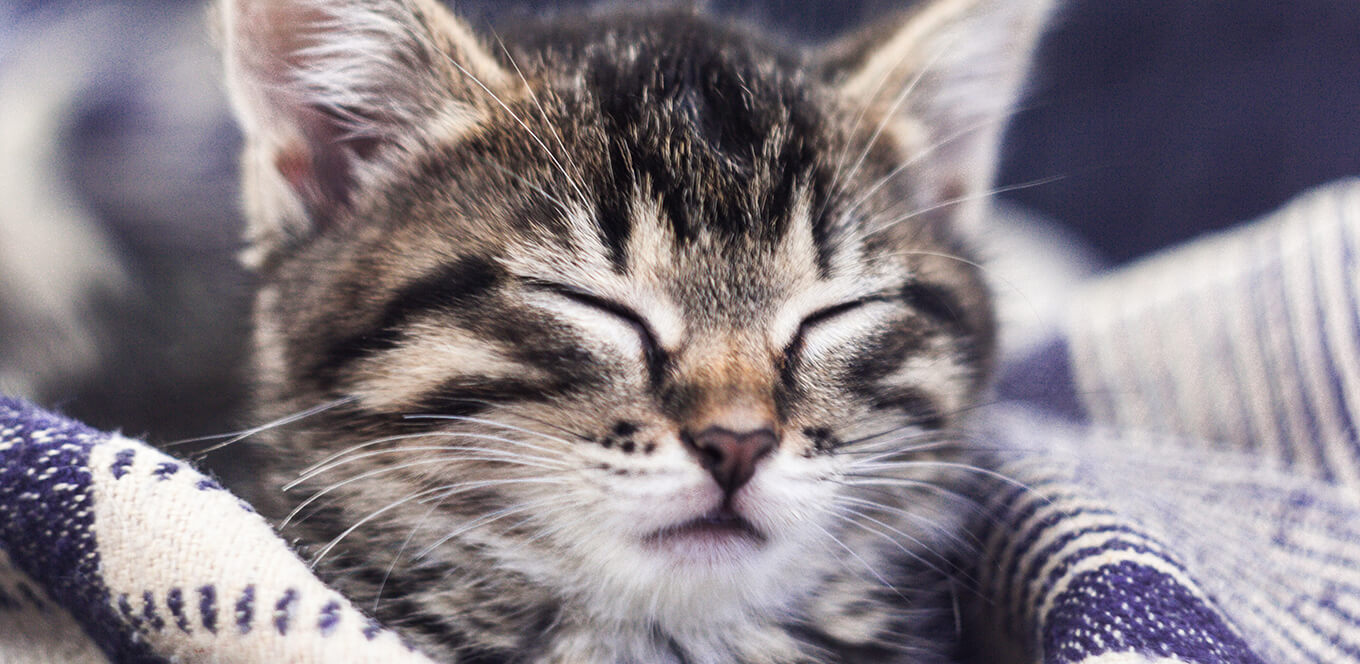
Kittens can get hairballs, although it’s not as common as in adult cats. Kittens are adept learners, and as they grow up, their grooming habits will mature as well. This could lead to hairballs, especially if your kitten has longer hair.
Most cats spend a considerable amount of time grooming their coats. As they groom, they can swallow hair, which may build up over time in their stomach. If the hairball doesn’t pass from the stomach, the cat will attempt to eliminate it by coughing or gagging.
Many cats will get a hairball at some point in life, but some kittens, such as long-haired breeds and cats that groom excessively, are especially prone to hairballs.
You can help reduce the number of hairballs your kitten or cat experiences in a few ways:
The right diet can help provide hairball relief to both kittens and cats. For instance, the beet pulp in IAMS™ dry kitten formulas helps move hair through the digestive tract.
For adult cats, IAMS research has shown that cats fed IAMS™ ProActive Health™ Hairball Care pass 80% more hair in their feces than cats fed a leading premium dry cat food. By helping ingested hair to be passed from the digestive tract, IAMS hairball formulas help reduce the opportunities for hairballs to form. This fiber blend also includes a moderately fermentable component to promote intestinal health.
Maintaining skin and coat health may reduce the risks of excessive shedding, ingestion of hair from grooming, and, consequently, hairball formation as your kitten grows into an adult cat. High-quality, animal-based protein and fat, found in IAMS kitten formulas, provide important nutrients for skin and coat health.
In cats and kittens that are prone to hairballs, frequent brushing can help reduce the amount of hair they ingest, thereby reducing the risk of hairball formation.
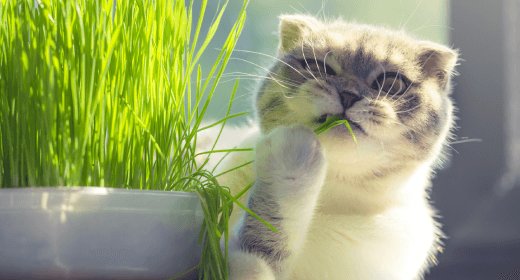
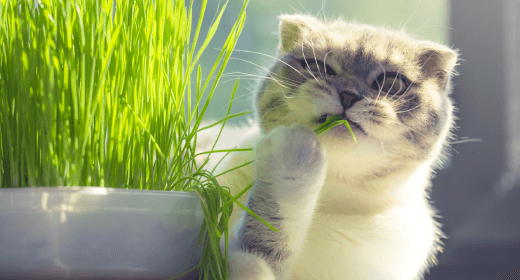
A cat’s diet largely includes other smaller animals as they are carnivorous. However, most cats avoid consuming the animal’s intestinal tract which contains most fiber. This can lead to a lack of fiber in the cat’s diet. But do cats need fiber? Yes. Lack of fiber can result in irregular bowel movement, digestive issues, and other similar health concerns.
Cats often munch on green grass and leaves to ease constipation. However, they might resist including fiber in their daily meal and only rely on it when ill. But, to ensure your cat’s best physical well-being, you should choose fiber-rich food for cats.
Fiber-rich cat food is essential as it helps in maintaining their digestive health. Thus, pet parents should try to include the necessary amount of fiber in their kitty’s diet. It will help maintain their digestive health and overall well-being. Cat food fiber can be classified based on its solubility.
While choosing cat food with fiber, you should make sure it includes both soluble and insoluble fiber. Besides, the cat’s gut bacteria can break down both soluble and insoluble fiber to produce new compound that helps in nourishing their colon cells.
Fiber-rich cat food contains prebiotics, which means they also contain good bacteria that are necessary for a healthy intestine. So, as a cat parent, you should invest in high-quality cat food with fiber to keep your little fur baby’s gut health in check. However, how much fiber does a cat require??
Although fiber is essential for cats, they require it in limited quantities. Too much fiber can risk restricting absorption of nutrients in their body, whereas too little can lead to poor digestive health. The appropriate quantity of fiber for cats is between 1.4 to 3.5% of their daily calorie intake.
Planning to include cat food with fiber in your kitty’s daily diet? Consider adding the following food options to their meal to increase fiber content in your fur baby’s diet.
Besides relying on the above-mentioned plant-based and animal-based fiber, you can also buy IAMS high-fiber cat food to ensure that your kitty gets the right amount of fiber in its meal. IAMS high-fiber cat food such as IAMS ProActive Health Adult Original with Chicken contains a moderate quantity of fermentable fiber along with the chicken. This cat food with fiber is made using fermentable fiber and chicken that your cat is sure to relish. Besides, IAMS is a popular cat food brand that is known for using best-quality ingredients, so your furry friend gets nothing but the best.