Enter a keyword below to search for articles and products.
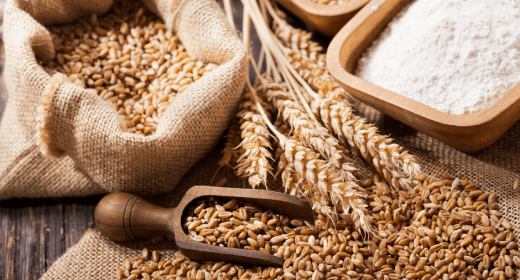
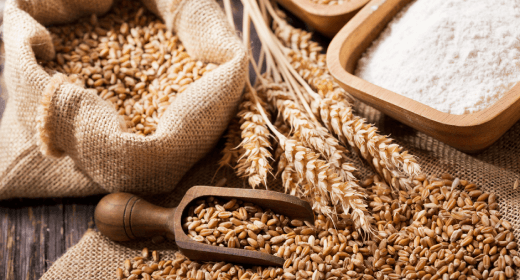
Wheatgrass is the fresh shoots of the wheat plant harvested before the grain sprouts. Although unusual, it is a common meal component for cats. Wheatgrass is rich in protein, carotene, and vitamins A, E, and C, making it an added source of nutrition for cats. Cats often nibble on wheatgrass and leafy greens to improve their digestion as fibres present in these plants aid in smoother bowel movement. However, it is important to ensure that your cat only feeds on organic and pesticide-free wheatgrass.
Generally, all cats that are not allergic to wheatgrass can easily digest and benefit from its nutritional value of it. Wheatgrass for cats is a good source of vitamins, protein, and other essential nutrients. The fibre and selenium help in improving the cat’s gut health. However, you should identify if your kitty is allergic to wheatgrass before letting it nibble on wheatgrass. The following are some signs that will help you identify if your cat is allergic to wheatgrass:
Even if your cat is not allergic to wheatgrass, you must limit its consumption to less than 10% of its total caloric consumption. Wheat for cats is best served every alternate day instead of daily.
While everyone knows wheatgrass for cats is beneficial for digestion, there are various other benefits of wheatgrass as well. The following are some of the many benefits of wheatgrass for cats:
While there are many advantages of wheatgrass and wheat for cats, there are a few considerations and disadvantages as well. Some of the demerits of excessive munching on wheatgrass for cats are as follows:
Most cat parents have a hard time differentiating between cat grass and wheatgrass. If you are one of them, fret not. We will understand the difference between the two in this section.
Cat food brands often market wheatgrass as cat grass. However, you must note that cat grass can be any grass, from barley and oats to wheatgrass and fescue. So, if you see a pack of cat food that says cat grass, check its label. Moreover, ensure that you opt for brands that use organic ingredients.
Now that you know of the benefits of wheatgrass for cats, you can start adding the regulated amount of wheatgrass to their diet. Please consult a veterinarian before deciding to serve wheat or wheatgrass to your feline friend.
If your cat has been munching on wheatgrass or grass more than usual, it might be facing some gastrointestinal issues. It is best to consult a veterinarian to ensure their physical well-being.
Yes, cats can digest baked or cooked wheat products and wheat bran.
Total consumption of wheatgrass for cats should limit to 10% or lesser of their total caloric diet.
Yes, wheatgrass improves indoor cats’ vision, immunity, and oral as well as gastrointestinal health, and helps keep their weight in check.
Cat grass are cereal grasses that cats much on. Wheatgrass is a type of cat grass.
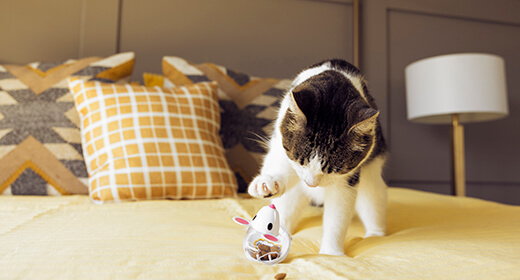
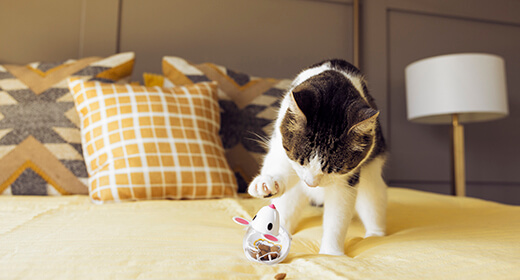
You've just got a new, adorable kitten, and its curiosity and playful nature fill your home with joy. However, one fine day, you notice that your little feline friend is a bit off its game. It seems to be in discomfort and eats barely anything. Moreover, you haven't seen anything in its litter box for a while. Could it be kitten constipation?
Just like in humans, kitten constipation is a condition where your kitten might find it difficult to have a bowel movement. In some cases, this discomfort can be severe and life-threatening, especially if left untreated for more than 48 hours.
While different kittens may present different symptoms, here are some commonly observed kitten constipation symptoms:
Lack of feces production: If your kitten hasn't produced any feces for 24-48 hours, it may be a sign of constipation.
Straining to defecate: Your kitten seems to be struggling in the litter box but produces nothing or very small, hard pieces of feces.
Loss of appetite: Your kitten isn't eating as much as it used to.
Lethargy: The usually playful and curious kitten is spending more time sleeping and seems less interested in activities.
Bloating or vomiting: If your kitten's tummy seems bloated, or it is vomiting, it could be due to constipation.
Kitten constipation can occur due to a variety of factors, such as:
Dehydration: Just like in humans, lack of sufficient water intake can lead to constipation in kittens.
Ingestion of indigestible items: Kittens love to play, but if they end up swallowing items like ribbons or hair ties, it could lead to a blockage in their digestive system.
Lack of defecation stimulation: Unweaned kittens require stimulation to defecate. If this isn't done, they might get constipated.
Intestinal parasites: Heavy parasitic infections in the intestines can also cause constipation.
Neurological or other diseases: Certain neurological conditions or diseases affecting the hindquarters can lead to constipation in kittens.
Now that we've covered what kitten constipation is, let's dive into how we can help our little furry pals.
In a case where your kitten is still active and eating, some home remedies can help alleviate their discomfort. However, if the kitten constipation symptoms persist, or if your kitten becomes less active and stops eating, it's time to seek veterinary assistance.
At the vet, treatments may include fluid injections, enemas, or x-rays to check for blockages. In severe cases, the vet may perform procedures to manually remove the blocked feces or even surgery.
Your kitten's health and comfort are paramount. If you spot the initial signs of constipation, there are some home remedies you can try before visiting the vet:
Keep your kitten hydrated: Hydration is crucial in preventing constipation. Make sure your kitten always has access to fresh water. If your kitten is fond of dry food, consider adding some water to it to increase their fluid intake.
Add fiber to your kitten's diet: A little bit of fiber can work wonders for constipation. Consider adding a spoonful of canned pumpkin (not pumpkin pie mix) to your kitten's food for a kitten constipation remedy. Moreover, you can incorporate IAMS Proactive Health Mother and Kitten food in your pet’s day-to-day meals to ensure sufficient fiber intake. This kitten food also contains FOS natural prebiotic to improve gut health and digestion.
Get your kitten moving: Just like in humans, physical activity can help stimulate bowel movements in kittens. Engage your kitten in fun, physical activities to keep them active.
Continue observing your kitten: Monitor your kitten closely. If the symptoms worsen or persist for more than a day, it's time to call the vet.
Recovery from kitten constipation is generally swift once the obstruction is removed, but it's crucial to address the underlying cause to prevent recurrence. Follow your vet's instructions to the letter, which may include finishing a prescribed medication course and maintaining regular deworming and fecal checks.
Remember, our adorable little kittens rely on us for their well-being. Being proactive in understanding kitten constipation symptoms and causes can help ensure your kitten stays happy, healthy, and ready to explore the exciting world around them.
Don't hesitate to reach out to a vet if you're unsure. With a little love, care, and the right kitten constipation remedy, your kitten will be back to their playful, cuddly self in no time.