Enter a keyword below to search for articles and products.


Wheatgrass is the fresh shoots of the wheat plant harvested before the grain sprouts. Although unusual, it is a common meal component for cats. Wheatgrass is rich in protein, carotene, and vitamins A, E, and C, making it an added source of nutrition for cats. Cats often nibble on wheatgrass and leafy greens to improve their digestion as fibres present in these plants aid in smoother bowel movement. However, it is important to ensure that your cat only feeds on organic and pesticide-free wheatgrass.
Generally, all cats that are not allergic to wheatgrass can easily digest and benefit from its nutritional value of it. Wheatgrass for cats is a good source of vitamins, protein, and other essential nutrients. The fibre and selenium help in improving the cat’s gut health. However, you should identify if your kitty is allergic to wheatgrass before letting it nibble on wheatgrass. The following are some signs that will help you identify if your cat is allergic to wheatgrass:
Even if your cat is not allergic to wheatgrass, you must limit its consumption to less than 10% of its total caloric consumption. Wheat for cats is best served every alternate day instead of daily.
While everyone knows wheatgrass for cats is beneficial for digestion, there are various other benefits of wheatgrass as well. The following are some of the many benefits of wheatgrass for cats:
While there are many advantages of wheatgrass and wheat for cats, there are a few considerations and disadvantages as well. Some of the demerits of excessive munching on wheatgrass for cats are as follows:
Most cat parents have a hard time differentiating between cat grass and wheatgrass. If you are one of them, fret not. We will understand the difference between the two in this section.
Cat food brands often market wheatgrass as cat grass. However, you must note that cat grass can be any grass, from barley and oats to wheatgrass and fescue. So, if you see a pack of cat food that says cat grass, check its label. Moreover, ensure that you opt for brands that use organic ingredients.
Now that you know of the benefits of wheatgrass for cats, you can start adding the regulated amount of wheatgrass to their diet. Please consult a veterinarian before deciding to serve wheat or wheatgrass to your feline friend.
If your cat has been munching on wheatgrass or grass more than usual, it might be facing some gastrointestinal issues. It is best to consult a veterinarian to ensure their physical well-being.
Yes, cats can digest baked or cooked wheat products and wheat bran.
Total consumption of wheatgrass for cats should limit to 10% or lesser of their total caloric diet.
Yes, wheatgrass improves indoor cats’ vision, immunity, and oral as well as gastrointestinal health, and helps keep their weight in check.
Cat grass are cereal grasses that cats much on. Wheatgrass is a type of cat grass.
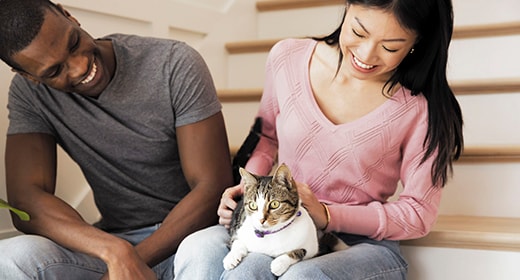
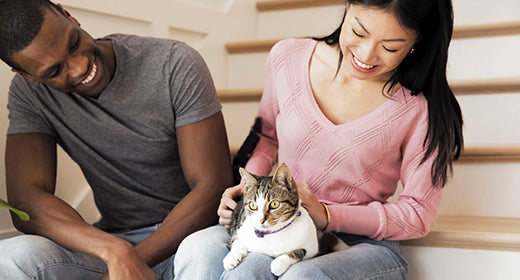
Since most feline creatures do not like water, bathing a kitten can seem to be a daunting task. Yet, as a cat parent, you cannot give up. You must bathe your kitty, especially to desensitize them to the experience and prevent skin problems. However, most first-time cat parents do not know how to get started with bathing their kittens. If you are one of them, fret not! With patience and a gentle approach, you can turn bathing time into a positive experience for your feline friend. So, read on! This article takes a deep dive into how to bathe a kitten.
Before you go on to bathing your kitten, do not forget to trim its nails. Feline creatures do not hesitate from clawing anyone or anything that triggers discomfort in them. Not even their own caregivers. Similarly, there are multiple other things you must ensure while bathing your kitten. Let's explore them in brief:
Brush your kitten's fur
Kittens shed all year long. Like humans, they might shed in excess while bathing, and that might clog your draining system. Hence, it's best to brush your kitty's fur thoroughly to get rid of the loose fur before you place it in the bathtub.
Pick the right time
Your kitten is going to oppose the bathing time with full force when it is highly energetic. However, when it is tired and exhausted, your pet might just let you do your thing. So, bathe your newborn kitty after tiresome activities like playtime, exercise, etc.
Use a kitten-specific shampoo
When bathing your kitty, go for a bottle of shampoo that is specifically developed for cats. And avoid shampoos used by humans at all costs. As cats groom themselves, chances are that they may ingest some shampoo residue left on their fur.
Rinse thoroughly
Use a cup or small container to rinse off the shampoo from your kitten’s fur, ensuring that water doesn’t get into its ears, nose, or eyes. Since you want your kitty to feel comfortable during the bathing session, avoid using extremely hot or cold water. Instead, go for a few degrees above lukewarm. Moreover, run your fingers through its coat to evenly distribute the water.
Shower your kitten with treats
When you are done bathing your kitten, reward it with treats immediately. Playtime and treats can help your feline friend resonate bathing time with fun moments. Treats can also come in handy to distract your pet if it starts to get anxious.
Every time you bathe your kitty, you must dry it thoroughly. In fact, it is one of the most important aspects of learning how to wash a kitten as damp fur can lead to skin problems. However, you do not want to vigorously rub a towel on your pet’s fur. It will only cause discomfort and irritation. Since bathing is a stressful experience for most kitties, you need to be extra careful while drying their fur up. So, here’s a step-by-step guide on drying your kitten’s coat:
Step 1: Place your kitten on a clean and dry towel.
Step 2: Wrap your kitty in the aforesaid towel.
Step 3: Sit on a chair with your pet on your lap and allow it to calm down.
Step 4: Press the towel gently against your kitten’s fur to get rid of excess water.
Step 5: Continue to press dry your kitty’s fur until its damp and not soaking wet.
Cats and kittens have an aversion to water due to their ancestral history. These feline creatures were once desert-dwelling animals, which means they rarely encountered rains, lakes, or rivers. Hence, all types of water – except drinking water – is alien to them. And that’s probably why your fur baby tries to resist the bathing session. However, being gentle with your little kitty can prevent issues and make the whole experience a little comfortable for it. Moreover, do not submerge your furry friend under running water and keep its bath time as short as possible.
Note: If your kitten continues to show extreme distress during bath time, consult a veterinarian.
Now that you know how to bathe a kitten, go on and help your pet groom. The time spent bathing your kitty provides you two with an opportunity to establish an unbreakable bond. Moreover, it will familiarize your kitten with your touch, fostering trust and strong cat-owner relationship.