Enter a keyword below to search for articles and products.
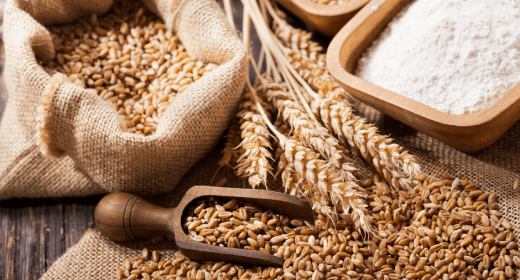
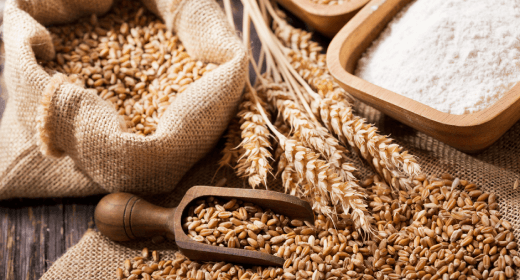
Wheatgrass is the fresh shoots of the wheat plant harvested before the grain sprouts. Although unusual, it is a common meal component for cats. Wheatgrass is rich in protein, carotene, and vitamins A, E, and C, making it an added source of nutrition for cats. Cats often nibble on wheatgrass and leafy greens to improve their digestion as fibres present in these plants aid in smoother bowel movement. However, it is important to ensure that your cat only feeds on organic and pesticide-free wheatgrass.
Generally, all cats that are not allergic to wheatgrass can easily digest and benefit from its nutritional value of it. Wheatgrass for cats is a good source of vitamins, protein, and other essential nutrients. The fibre and selenium help in improving the cat’s gut health. However, you should identify if your kitty is allergic to wheatgrass before letting it nibble on wheatgrass. The following are some signs that will help you identify if your cat is allergic to wheatgrass:
Even if your cat is not allergic to wheatgrass, you must limit its consumption to less than 10% of its total caloric consumption. Wheat for cats is best served every alternate day instead of daily.
While everyone knows wheatgrass for cats is beneficial for digestion, there are various other benefits of wheatgrass as well. The following are some of the many benefits of wheatgrass for cats:
While there are many advantages of wheatgrass and wheat for cats, there are a few considerations and disadvantages as well. Some of the demerits of excessive munching on wheatgrass for cats are as follows:
Most cat parents have a hard time differentiating between cat grass and wheatgrass. If you are one of them, fret not. We will understand the difference between the two in this section.
Cat food brands often market wheatgrass as cat grass. However, you must note that cat grass can be any grass, from barley and oats to wheatgrass and fescue. So, if you see a pack of cat food that says cat grass, check its label. Moreover, ensure that you opt for brands that use organic ingredients.
Now that you know of the benefits of wheatgrass for cats, you can start adding the regulated amount of wheatgrass to their diet. Please consult a veterinarian before deciding to serve wheat or wheatgrass to your feline friend.
If your cat has been munching on wheatgrass or grass more than usual, it might be facing some gastrointestinal issues. It is best to consult a veterinarian to ensure their physical well-being.
Yes, cats can digest baked or cooked wheat products and wheat bran.
Total consumption of wheatgrass for cats should limit to 10% or lesser of their total caloric diet.
Yes, wheatgrass improves indoor cats’ vision, immunity, and oral as well as gastrointestinal health, and helps keep their weight in check.
Cat grass are cereal grasses that cats much on. Wheatgrass is a type of cat grass.
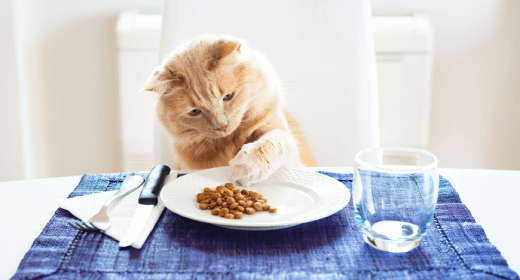
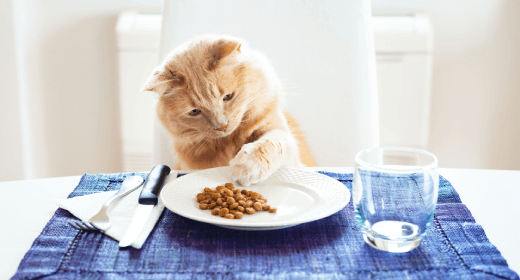
Compared with humans, your favorite feline needs a high-fat, high-protein diet with certain animal nutrients. Cats usually eat many small meals throughout the day, so they easily adopt a free-choice feeding schedule to maintain their normal body weight. Dry foods, such as IAMS™ ProActive Health™ Adult Original with Chicken, are best suited for free-choice feeding because they stay fresh longer.
Cats need nutrients from animal-based protein sources. Providing the vitamins, minerals, protein, and other components found in a complete and balanced pet food can lead to a long and healthy life for your cat. It is important to avoid supplementing your cat's diet, as doing so may lead to a variety of health problems. When selecting a pet food, look for ones that offer the following nutrients:
A cat's energy intake should be increased gradually by up to 50% over her maintenance intake through pregnancy. You can use kitten food to provide nutritional support during the last few weeks of gestation.
After birth, the mother cat's energy needs increase by 50% to 75% over normal in the first week to twice normal the second week and to three times during the third week. The third and fourth weeks are the most demanding because kittens are still consuming milk and have not begun to eat dry or canned food. Once kittens begin weaning, the mother cat should be tapered back to normal food portions to avoid unnecessary weight gain.
Food and energy requirements may vary for your adult cat. In general, indoor cats have less opportunity or need to exercise than outdoor cats. As a result, indoor cats are more prone to obesity, and regular exercise should be encouraged. You may want to control your cat's portions and choose a cat food made to help maintain weight.
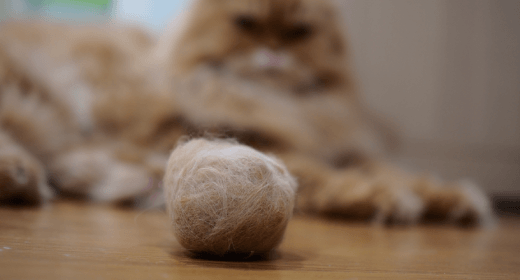
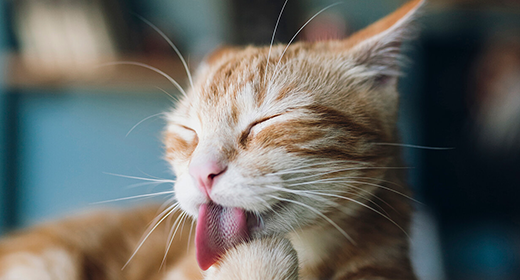
Cats spend a considerable amount of time grooming. In the process, hair can be swallowed and build up in the stomach. If the hairball doesn’t pass into the intestines, a cat may try to cough it up. A special diet can help decrease the likelihood of hairballs, but you may decrease its effectiveness if you combine it with other foods.