Enter a keyword below to search for articles and products.
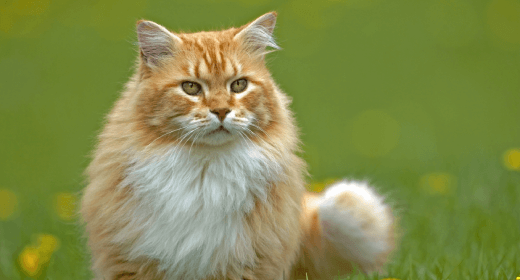
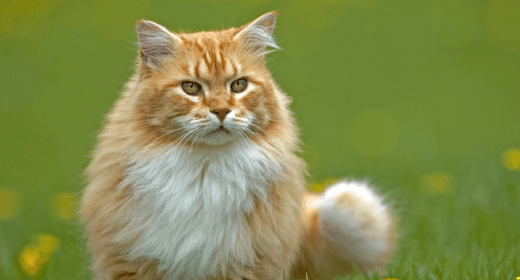
What is the first thing that comes to your mind when you hear the word ‘cat’? It's probably a cat covered in smooth and shiny fur, right? Not only does it look majestic, but every time we pet a cat, it also feels like we are running our fingers through silk. A shiny coat is no less than a divine blessing. However, this heaven-sent beauty can lose its shine if you stop taking care of it. While grooming plays a vital role in maintaining healthy cat fur, there are multiple other factors that influence its look and feel. If you are not aware of how to care for shiny cat fur, continue reading. This article covers everything around cat fur health.
If your cat’s fur looks dull, instead of directly jumping on to quick fixes, try understanding its cause. Here are a few common reasons why cat fur loses its shine:
Now that you know the causes of dull cat coats, you can work towards bringing its shine back. Here are a few ways to make cat fur shiny:
Use the right shampoo: Picking the right shampoo is imperative, especially because the wrong ones can strip off a cat’s natural skin oil and damage the fur.
Avoid excessive bathing: Frequent bathing can lead to dry and flaky skin. Hence, do not make your cat take a dip unnecessarily.
Follow a healthy diet: We all know that hair strands are 90% protein. Hence, providing protein-rich meals becomes vital for maintaining a shiny cat coat.
Skin is the largest organ. And with cats, this organ is generally fully covered with fur. They shed and regrow hair strands multiple times in their entire lifetime. However, a poor diet can slow down the regrowth process. Basically, lack of nutrition can eventually lead to bald spots. A diet that not only includes high-quality protein but also vitamins, minerals, good fats, and other nutrients will fast-track the hair growth process, maintain a shiny coat, and strengthen the immune system.
IAMS™ Proactive Health™ Indoor Weight & Hairball Care cat food is loaded with omega-3 and 6 fatty acids to give your cat a shiny and healthy coat. Other essential nutrients like proteins, vitamins, and minerals in this premium cat food support your feline friend’s overall health.
Cats can lose their coat’s shine due to multiple factors. Here are a few common reasons why your cat’s coat is not shiny:
Maintaining a healthy and shiny cat coat boils down to two things – hygiene and nutrition. As a cat parent, you must ensure that your feline friend doesn’t groom itself too frequently. However, you cannot neglect hygiene either. Based on its lifestyle and vet recommendation, make sure that your cat doesn’t over or under groom. Moreover, follow a nourishing diet that is packed with proteins, vitamins, minerals, and omega-3 fatty acids. Not only will it maintain your cat's shiny fur but it will also boost healthy hair regrowth.
Although applying oil on your cat’s fur might not do any harm, it is best to consult your veterinarian regarding the same.
Cats’ fur can say a lot about their overall health. If your feline friend is nourished and healthy from within, it will be reflected through its skin and coat. So make sure that your cat receives nutrients like proteins, vitamins, minerals, and omega-3 fatty acids in the right quantities to help maintain a cat's coat.
Most of us check ingredients and nutritional information on packaging when buying food for our pets. However, reading the nutritional data on a cat food label can get confusing. So, how do you know whether your pet is getting the right food for a healthy body? In this blog, we look at what you can expect to find on a cat food nutrition label and help you improve your understanding of this information.
Cat food labels provide limited information regarding the nutritional value of the package contents. It is important for customers to know what can and cannot be determined from the label, and what information is particularly important. Major components of a pet food label include:
Guaranteed Analysis
Company/Customer Service Information/Satisfaction
Ingredient Panel
Manufacturing Code, Expiration, or 'Best Used By' Information
Feeding Instructions
AAFCO Statement of Nutritional Adequacy
Values in the guaranteed analysis are expressed as either minimum or maximum. A maximum guarantee (% max) means at most this specific amount of the nutrient is included in the formula. A minimum guarantee (% min) means at least this specific amount of the nutrient is included in the formula. The following four nutrients must be included on all pet food labels:
For example, a cat food with a 25% minimum crude protein guarantee should contain at least 25% protein but could contain much more. The only way to determine the actual amount is by laboratory analysis.
Other information may be guaranteed on cat food products, such as magnesium (% max), taurine (% min), ash (% max), and linoleic acid (% min).
Animal-feed laws, particularly those pertaining to pet food, are dealt with by AAFCO. AAFCO is a coalition of governmental organisations in North America that aids in regulating animal food. Cat food with AAFCO label has an assurance that certain standards have been followed while manufacturing the food. Therefore, the food is said to meet the nutritional levels required by your pet. MARS pet food too complies with the standards of AAFCO and is nutritionally sound for your pet.
Ingredients must be listed in order of abundance (largest quantity listed first).
Because ingredient definitions and designations are standardized, it is difficult to determine the quality of ingredients. Ingredient quality can only be determined from laboratory analysis and animal feeding tests.
Here is the information that is required on a cat food label:
Distributor Name and Address: This gives you information about the manufacturer of the food, so that you can get in touch with them if you have any issues about the product.
Net Weight: This tells you how much food is contained in the package.
Ingredient List: The ingredients are listed in decreasing order, depending on the weight of the contents.
Product Traceability: Using the information on cat food label, you can identify when the food was prepared and even the precise factory that made the package.
Statement of Nutritional Adequacy: A ‘complete and balanced’ cat food should either meet or exceed the defined standards of nutrient profile. It explains which exact cat age and lifestyle the food is meant for.
Assurance of Analysis: This indicates the product’s nutritional content. It must contain the highest amounts of crude fiber and moisture and the minimum amounts of crude protein and crude fat. Although optional, percentages for other nutrients are frequently included. However, the key elements mentioned in the assured analysis of the cat food nutrition label must meet AAFCO’s nutrient profile guidelines.
Calorie Declaration: Calories are stated on a kilocalorie per kilogram basis and other commonly used units of measurement such as kilocalories per cup. You can compare several cat food products using this information.
Direction for Feeding: You can use these recommendations to figure out how much food to give your cat each day. Additionally, you might need to change the amount of food your pet consumes to assist them in maintaining an ideal body condition.
AAFCO nutritional adequacy statements are required on all pet foods. Products may either be formulated or tested according to AAFCO procedures and recommendations.
A 'tested' statement indicates the product has been formulated, then fed to cats prior to sale to ensure it meets important criteria related to growth, maintenance, and/or reproduction.
Veterinary-exclusive products include statements such as, 'This product is intended for intermittent feeding only' and 'Use only as directed by your veterinarian.'
Manufacturing codes allow the company to track products for quality and inventory issues. In order to quickly and efficiently handle a customer inquiry, the company's customer service department will usually ask the customer for this code.
Expiration or 'Best Used By' dates are optional but are helpful in determining product freshness and shelf life.
Here are a few tips to help you read a cat food nutrition label.
Know the intent or purpose: The food must state that it is for cats on the container. Cats have highly specific nutritional requirements that necessitate a certain type of diet.
Choose the right product for your cat: The information on the back of the cat food container is extremely important. You can determine whether the food will offer a complete and balanced diet for your cat’s life stage by reading the nutritional adequacy statement. The term 'life stage' describes a cat's particular stage of growth. The information can also state that the food is suitable for cats at all life stages, for breeding cats (growth and reproduction), and, possibly, for indoor or outdoor cats.
The manufacturer's information should include the company name, address, and phone number so customers can quickly and easily obtain product information.
A toll-free telephone number should be provided as a convenience to the customer and to ensure that a charge is not incurred when calling for information.
The satisfaction guarantee should be an 'active' statement. This means that in addition to stating that the product is guaranteed, the company should indicate what action will be taken to meet customer expectations (replace product, money returned, etc.).