Enter a keyword below to search for articles and products.
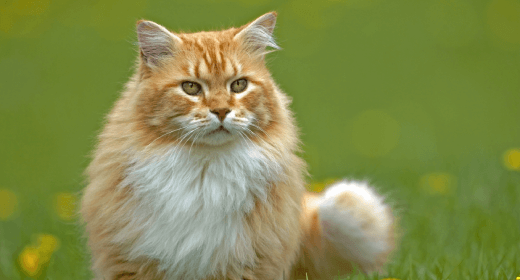
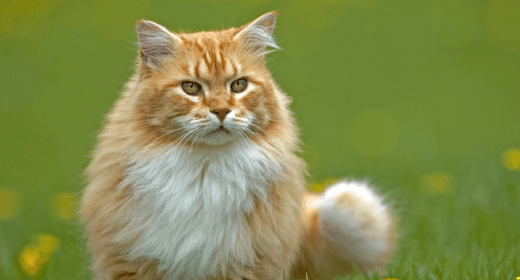
What is the first thing that comes to your mind when you hear the word ‘cat’? It's probably a cat covered in smooth and shiny fur, right? Not only does it look majestic, but every time we pet a cat, it also feels like we are running our fingers through silk. A shiny coat is no less than a divine blessing. However, this heaven-sent beauty can lose its shine if you stop taking care of it. While grooming plays a vital role in maintaining healthy cat fur, there are multiple other factors that influence its look and feel. If you are not aware of how to care for shiny cat fur, continue reading. This article covers everything around cat fur health.
If your cat’s fur looks dull, instead of directly jumping on to quick fixes, try understanding its cause. Here are a few common reasons why cat fur loses its shine:
Now that you know the causes of dull cat coats, you can work towards bringing its shine back. Here are a few ways to make cat fur shiny:
Use the right shampoo: Picking the right shampoo is imperative, especially because the wrong ones can strip off a cat’s natural skin oil and damage the fur.
Avoid excessive bathing: Frequent bathing can lead to dry and flaky skin. Hence, do not make your cat take a dip unnecessarily.
Follow a healthy diet: We all know that hair strands are 90% protein. Hence, providing protein-rich meals becomes vital for maintaining a shiny cat coat.
Skin is the largest organ. And with cats, this organ is generally fully covered with fur. They shed and regrow hair strands multiple times in their entire lifetime. However, a poor diet can slow down the regrowth process. Basically, lack of nutrition can eventually lead to bald spots. A diet that not only includes high-quality protein but also vitamins, minerals, good fats, and other nutrients will fast-track the hair growth process, maintain a shiny coat, and strengthen the immune system.
IAMS™ Proactive Health™ Indoor Weight & Hairball Care cat food is loaded with omega-3 and 6 fatty acids to give your cat a shiny and healthy coat. Other essential nutrients like proteins, vitamins, and minerals in this premium cat food support your feline friend’s overall health.
Cats can lose their coat’s shine due to multiple factors. Here are a few common reasons why your cat’s coat is not shiny:
Maintaining a healthy and shiny cat coat boils down to two things – hygiene and nutrition. As a cat parent, you must ensure that your feline friend doesn’t groom itself too frequently. However, you cannot neglect hygiene either. Based on its lifestyle and vet recommendation, make sure that your cat doesn’t over or under groom. Moreover, follow a nourishing diet that is packed with proteins, vitamins, minerals, and omega-3 fatty acids. Not only will it maintain your cat's shiny fur but it will also boost healthy hair regrowth.
Although applying oil on your cat’s fur might not do any harm, it is best to consult your veterinarian regarding the same.
Cats’ fur can say a lot about their overall health. If your feline friend is nourished and healthy from within, it will be reflected through its skin and coat. So make sure that your cat receives nutrients like proteins, vitamins, minerals, and omega-3 fatty acids in the right quantities to help maintain a cat's coat.
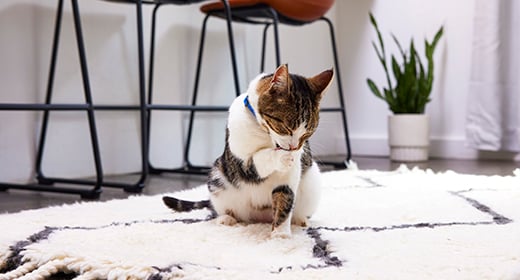
New cat parents often are unaware of the FVRCP vaccine and why it is essential to get their cats vaccinated for it. FVRCP vaccine stands for Feline Viral Rhinotracheitis, Calicivirus, and Panleukopenia, and it is one of the core vaccines recommended for all cats. Feline rhinotracheitis is an infection that causes flu-like symptoms in cats. While this infection is common in outdoor cats, it can find its way to indoor cats as well. Calicivirus develops mouth ulcers and inflammation while panleukopenia attacks the cat’s immune system, putting its life in lethal danger. Hence, protecting your indoor kitty from these harmful viruses is essential for maintaining their overall health.
That’s where the FVRCP vaccine for kittens and cats comes into picture. It protects our feline creatures from three life-threatening viruses – feline viral rhinotracheitis, calicivirus, and panleukopenia. But before you get your fur baby vaccinated, let’s take a look at some important information about FVRCP vaccines for cats.
Although we know the FVRCP vaccine is crucial for a cat’s well-being, it is also necessary to know when and how to get your kitty inoculated with this combination vaccine. Given below are some essential details related to the FVRCP vaccine for cats that every cat parent should know about:
FVR is caused by the FVH-1 virus. It is one of the most fatal infections that a cat can contract. The FVRCP vaccine is a core vaccine for preventing rhinotracheitis in cats. Feline viral rhinotracheitis is a highly infectious illness that causes symptoms ranging from sneezes and conjunctivitis to fever and lethargy. It spreads through bodily fluids like saliva as well as eyes and nose discharge of infected cats. If not detected and treated in time, FVR in cats can prove fatal. The FVRCP vaccine will ensure that your pet develops immunity against feline rhinotracheitis.
Like feline rhinotracheitis, feline calicivirus (FCV) is another deadly virus in cats. This virus typically attacks the cat’s respiratory tract and oral organs. Calicivirus symptoms can range from upper respiratory tract diseases to mouth ulcers and inflammations. If you observe any signs of calicivirus in your indoor cat, take it to the vet immediate as you should start medication at the earliest. However, it is always better to keep such daunting health issues at bay through vaccination, and the FVRCP vaccine acts as an effective preventive measure.
Abbreviated as FPV, feline panleukopenia is a highly contagious virus that attacks the immune system of cats. It presents symptoms like fever, vomiting, and anorexia. Unlike feline viral rhinotracheitis, which causes flu-like symptoms or calicivirus which causes mouth ulcers and eye infections, FPV attacks the bone marrow and the lymph nodes. And this further decreases the white blood cell count in cats. With FVRCP vaccination, you can prepare your purrfect pal to combat this deadly virus.
Core vaccines are a must for all cats as they equip our feline creatures to fight off some of the most infectious and fatal viruses. FVRCP vaccine is one such core preventive measure besides anti-rabies vaccine for cats. FVR, FCV, and FPV are some of the most contagious viruses that easily spread through the body fluids of infected animals. Vaccinating your kitty with FVRCP enables its body to prepare antigens against these fatal viruses. Hence, FVRCP is said to be one of the core vaccines for cats.
Kittens are inoculated with the FVRCP vaccine every three to four weeks between the ages of 16 to 20 weeks. Booster shots are needed to ensure that the cat’s immune system is completely ready to recognize the vaccine components. These jabs also ascertain that the kitten's immunity is strong enough to combat these four deadly viruses as they age. The kitty should receive a final dose of FVRCP after it turns a year old. Post this, you should revaccinate your feline friend every three years to keep its immunity intact. Please note, the FVRCP vaccine cost depends on the brand you choose to inoculate your pet.
However, before scheduling an appointment for FVRCP vaccination, you must ask the following questions to your veterinarian.
What are the side effects of FVRCP and how soon do they wear off?
How to care for the kitty post-vaccination?
How many booster shots will the kitty need based on its lifestyle, age, and breed?
FVRCP vaccine cost.
The FVRCP vaccine might cause some discomfort and minor side effects. While minor symptoms are common, it is best to visit the veterinarian if you notice any extreme signs of discomfort. Given below are a few of the most common side effects of this vaccine.
Redness or swelling at the injected site
Low-grade fever
Low appetite
Some cats might develop an allergic reaction to the FVRCP vaccine. If you notice your kitty vomiting, itching, or suffering from diarrhea, you must consult the doctor at the earliest.