Enter a keyword below to search for articles and products.
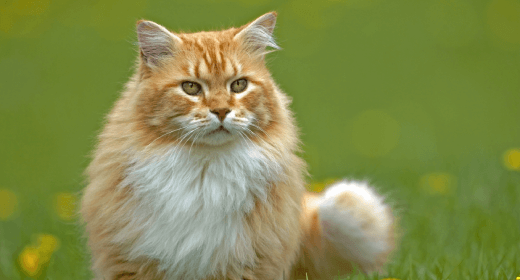
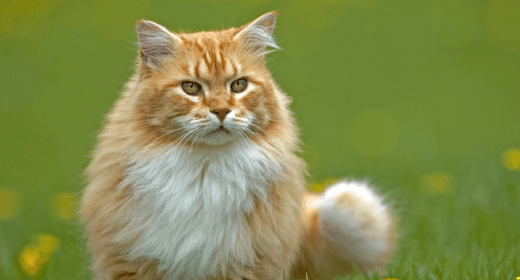
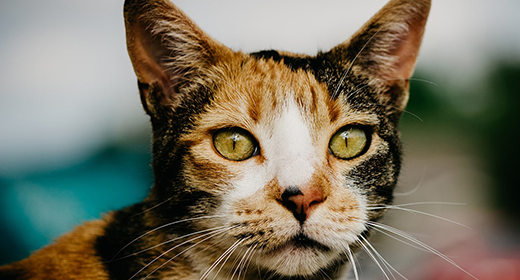
What is the first thing that comes to your mind when you hear the word ‘cat’? It's probably a cat covered in smooth and shiny fur, right? Not only does it look majestic, but every time we pet a cat, it also feels like we are running our fingers through silk. A shiny coat is no less than a divine blessing. However, this heaven-sent beauty can lose its shine if you stop taking care of it. While grooming plays a vital role in maintaining healthy cat fur, there are multiple other factors that influence its look and feel. If you are not aware of how to care for shiny cat fur, continue reading. This article covers everything around cat fur health.
If your cat’s fur looks dull, instead of directly jumping on to quick fixes, try understanding its cause. Here are a few common reasons why cat fur loses its shine:
Now that you know the causes of dull cat coats, you can work towards bringing its shine back. Here are a few ways to make cat fur shiny:
Use the right shampoo: Picking the right shampoo is imperative, especially because the wrong ones can strip off a cat’s natural skin oil and damage the fur.
Avoid excessive bathing: Frequent bathing can lead to dry and flaky skin. Hence, do not make your cat take a dip unnecessarily.
Follow a healthy diet: We all know that hair strands are 90% protein. Hence, providing protein-rich meals becomes vital for maintaining a shiny cat coat.
Skin is the largest organ. And with cats, this organ is generally fully covered with fur. They shed and regrow hair strands multiple times in their entire lifetime. However, a poor diet can slow down the regrowth process. Basically, lack of nutrition can eventually lead to bald spots. A diet that not only includes high-quality protein but also vitamins, minerals, good fats, and other nutrients will fast-track the hair growth process, maintain a shiny coat, and strengthen the immune system.
IAMS™ Proactive Health™ Indoor Weight & Hairball Care cat food is loaded with omega-3 and 6 fatty acids to give your cat a shiny and healthy coat. Other essential nutrients like proteins, vitamins, and minerals in this premium cat food support your feline friend’s overall health.
Cats can lose their coat’s shine due to multiple factors. Here are a few common reasons why your cat’s coat is not shiny:
Maintaining a healthy and shiny cat coat boils down to two things – hygiene and nutrition. As a cat parent, you must ensure that your feline friend doesn’t groom itself too frequently. However, you cannot neglect hygiene either. Based on its lifestyle and vet recommendation, make sure that your cat doesn’t over or under groom. Moreover, follow a nourishing diet that is packed with proteins, vitamins, minerals, and omega-3 fatty acids. Not only will it maintain your cat's shiny fur but it will also boost healthy hair regrowth.
Although applying oil on your cat’s fur might not do any harm, it is best to consult your veterinarian regarding the same.
Cats’ fur can say a lot about their overall health. If your feline friend is nourished and healthy from within, it will be reflected through its skin and coat. So make sure that your cat receives nutrients like proteins, vitamins, minerals, and omega-3 fatty acids in the right quantities to help maintain a cat's coat.

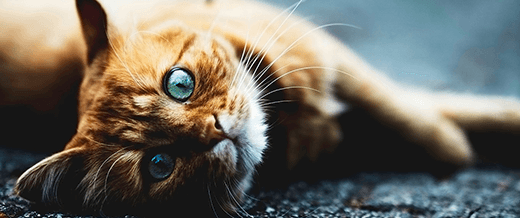
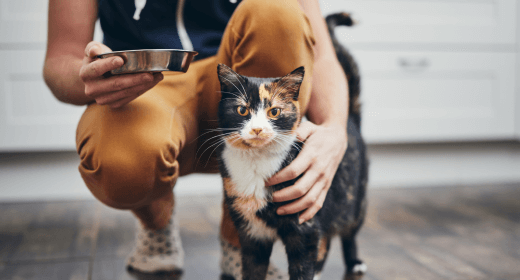
Cats are known to be solitary creatures and enjoy spending time with themselves. However, as a pet parent, you must ensure that your cat remains healthy. It is advisable to keep an eye on your cat’s behavior to detect a sudden change, even what it eats, and in how much quantity. A regular health checkup is one of the most basic yet essential steps to a cat/kitty care guide. Taking care of cats is comparatively easier than taking care of kittens. A diligently followed routine for cat care can also be quite helpful. So, before we tell you how to take care of cat, here are few dos and don’ts every cat owner must know.
Here’s your cat care 101 –
Now that you have brought your cat home, the next step is to comfortably settle it in your house. Housetraining might sound like a tedious task, but it isn’t. With a little practise and lots of patience, you can easily housetrain your cat. Some of the most basic things to keep in mind while housetraining your cat include providing a proper litter box, spaying your cat, toilet training and cat proofing the house. Given below are some tips that may help you easily housetrain your cat:
Taking care of your cat’s health comes first in the cat/kitty care guide. Even though cats lick and self-groom themselves, they cannot get better on their own if they contract the following diseases:
‘How to take care of a cat’ is a question asked by many first-time cat owners, as cats can be difficult to figure out. But with a few careful steps, you can easily take care of your cat. Here are some cat care tips for first-time cat owners: