IAMS PH
Why Nutrition in Cat Food Is Key for Shiny Coat

adp_description_block122
Comprehensive Guide to Maintain a Shiny Cat Coat

  • Share

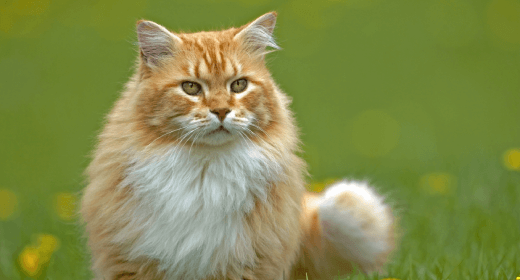
What is the first thing that comes to your mind when you hear the word ‘cat’? It's probably a cat covered in smooth and shiny fur, right? Not only does it look majestic, but every time we pet a cat, it also feels like we are running our fingers through silk. A shiny coat is no less than a divine blessing. However, this heaven-sent beauty can lose its shine if you stop taking care of it. While grooming plays a vital role in maintaining healthy cat fur, there are multiple other factors that influence its look and feel. If you are not aware of how to care for shiny cat fur, continue reading. This article covers everything around cat fur health.
 

Why isn’t your cat’s coat shiny?

If your cat’s fur looks dull, instead of directly jumping on to quick fixes, try understanding its cause. Here are a few common reasons why cat fur loses its shine:
 

  1. Poor diet

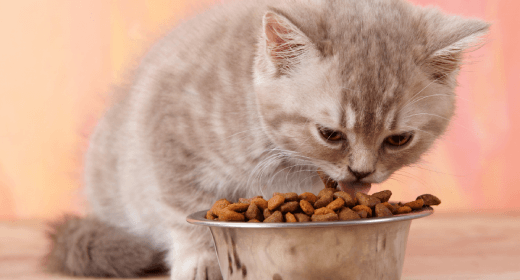
    When it comes to maintaining a cat’s lustrous fur, diet is key. In fact, along with keeping your cat's coat shiny, a balanced and complete diet will also ensure its overall well-being. So, make sure that you go for cat foods that are loaded with proteins, carbohydrates, vitamins, minerals, and fats.
  2. Frequent bathing

    We have all seen our hair get damaged due to excessive washing. But did you know? Cats' fur too loses its charm after frequent bathing. That's because overbathing leads to the loss of natural skin oils that keep your feline friend's coat shiny.
  3. Age

    Cats are pretty self sufficient when it comes to grooming. As a caretaker, you do not have to bathe your purrfect pal regularly to follow basic hygiene. However, old-age affects their flexibility, which hinders cats' grooming sessions. So next time your cat chooses to put its natural grooming equipment to use, make sure you assist it. However, lack of flexibility isn't always a sign of old-age. Overweight cats too cannot reach every area of their body. If your cat is obese, create a healthy weight loss plan with your vet.
  4. Medical issues

    If none of the aforementioned factors have caused lacklustre to your cat's coat, the next plausible reason would be a medical condition. Cats lose their coat's shine due to serious health issues like diabetes, parasites, infections, and allergies. In case you suspect that your cat's dull coat is a sign of illness, consult a vet immediately.

How to make a cat’s fur shiny again?

Now that you know the causes of dull cat coats, you can work towards bringing its shine back. Here are a few ways to make cat fur shiny:

  • Brush the coat regularly: Brushing gets rid of dead strands and stimulates hair follicles. Moreover, it also helps spread natural skin oils to the coat, giving you a shiny cat fur.
  • Use the right shampoo: Picking the right shampoo is imperative, especially because the wrong ones can strip off a cat’s natural skin oil and damage the fur.

  • Avoid excessive bathing: Frequent bathing can lead to dry and flaky skin. Hence, do not make your cat take a dip unnecessarily.

  • Follow a healthy diet: We all know that hair strands are 90% protein. Hence, providing protein-rich meals becomes vital for maintaining a shiny cat coat. 
     

How and why nutrition is important for a cat’s coat and skin?

Skin is the largest organ. And with cats, this organ is generally fully covered with fur. They shed and regrow hair strands multiple times in their entire lifetime. However, a poor diet can slow down the regrowth process. Basically, lack of nutrition can eventually lead to bald spots. A diet that not only includes high-quality protein but also vitamins, minerals, good fats, and other nutrients will fast-track the hair growth process, maintain a shiny coat, and strengthen the immune system.

IAMS™ Proactive Health™ Indoor Weight & Hairball Care cat food is loaded with omega-3 and 6 fatty acids to give your cat a shiny and healthy coat. Other essential nutrients like proteins, vitamins, and minerals in this premium cat food support your feline friend’s overall health.

Frequently asked questions

  1. Why is my cat’s fur not shiny?
  2. Cats can lose their coat’s shine due to multiple factors. Here are a few common reasons why your cat’s coat is not shiny:

    • Excessive grooming and bathing
    • Poor diet
    • Wrong shampoo
    • Old age
    • Sudden weight gain
    • Diabetes
    • Allergies
    • Infection

  3. How can I improve my cat’s coat?
  4. Maintaining a healthy and shiny cat coat boils down to two things – hygiene and nutrition. As a cat parent, you must ensure that your feline friend doesn’t groom itself too frequently. However, you cannot neglect hygiene either. Based on its lifestyle and vet recommendation, make sure that your cat doesn’t over or under groom. Moreover, follow a nourishing diet that is packed with proteins, vitamins, minerals, and omega-3 fatty acids. Not only will it maintain your cat's shiny fur but it will also boost healthy hair regrowth.

  5. Can I put oil on my cat’s fur?
  6. Although applying oil on your cat’s fur might not do any harm, it is best to consult your veterinarian regarding the same.

  7. What food helps a cat's coat?
  8. Cats’ fur can say a lot about their overall health. If your feline friend is nourished and healthy from within, it will be reflected through its skin and coat. So make sure that your cat receives nutrients like proteins, vitamins, minerals, and omega-3 fatty acids in the right quantities to help maintain a cat's coat.

  • 5-Tips-to-Help-Your-Kitten-Live-a-Long-and-Healthy-Life banner
    5-Tips-to-Help-Your-Kitten-Live-a-Long-and-Healthy-Life mobile
    adp_description_block144
    5 Tips to Help Your Kitten Live a Long and Healthy Life

    • Share

    How can you help your kitten live a long and healthy life? Although you can’t predict the health of your cat with certainty, you can increase the probability of both her general health and a long life through proper care that begins as soon as you bring her home. Your veterinarian can advise further on these five key considerations for taking care of your kitten.


    How to Care for Your Kitten


    1. Feed a High-quality Diet

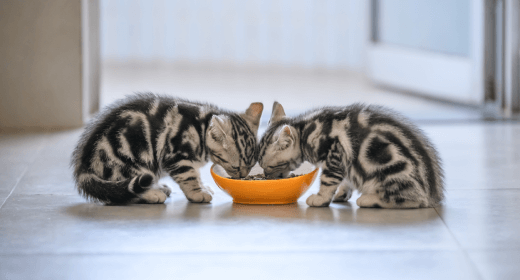
    Feed your kitten high-quality food designed to meet nutritional needs during specific stages of her life. Your kitten’s nutritional requirements will depend on her life stage and lifestyle. No matter the life stage, cats are carnivores and require nutrients from animal protein and fat for optimal health.


    2. Encourage Exercise

    Prevent obesity with prudent portion control and frequent play activities. Exercise relieves stress, reduces aggression and keeps cats alert. Just 15 to 30 minutes of play a day can help keep your cat in shape and strengthen the bond between the two of you. In addition, getting your kitten used to playtime early on will help you get used to playing with your cat routinely.


    3. Provide Safe, Clean Living Conditions

    Keep your kitten inside to help reduce the risk of illness or injury from accidents, fights and disease. As your kitten gets older, you can help avoid the stress of harassment from other animals by keeping your kitten inside. You should make your home safe by protecting your cat from environmental dangers, such as household cleaners and secondhand smoke. Cats frequently groom themselves with their tongues, and over time, even small amounts of harmful chemicals can have adverse effects.


    4. Schedule Regular Medical and Dental Checkups

    Groom your kitten early and often to get her used to brushing. When brushing, check for bumps or abnormalities, and promptly seek veterinary advice if you discover anything suspicious. Take your cat to the veterinarian at least annually for a complete physical exam, and follow your veterinarian’s advice regarding preventive health care measures.

    Your veterinarian may also recommend periodic professional cleaning of your cat’s teeth, which may preserve years of her life.


    5. Give Them Lots of Affection

    Last but not least, give your cat lots of love! Despite some cats’ aloof demeanor, all cats thrive on affection. Both you and your cat will reap the benefits of spending quality time together.


    Cat Aging Chart

    It was once thought that one year in the life of a cat was equivalent to seven years of a human life. Below is a revised way of looking at how a cat year stacks up to a human year.

    Cat AgeHuman Age
    6 months10 years
    8 months13 years
    10 months14 years
    1 year15 years
    18 months20 years
    2 years24 years
    3 years28 years
    4 years32 years
    5 years36 years
    6 years40 years
    7 years44 years
    8 years48 years
    9 years52 years
    10 years56 years
    11 years60 years
    12 years64 years
    13 years68 years
    14 years72 years
    15 years76 years
    16 years80 years
    17 years84 years
    18 years88 years
    19 years92 years
    20 years96 years
    21 years100 years

    5 Tips to Help Your Kitten Live a Long and Healthy Life
    5 Tips to Help Your Kitten Live a Long and Healthy Life
Close modal