IAMS PH
Why Nutrition in Cat Food Is Key for Shiny Coat

adp_description_block179
Comprehensive Guide to Maintain a Shiny Cat Coat

  • Share

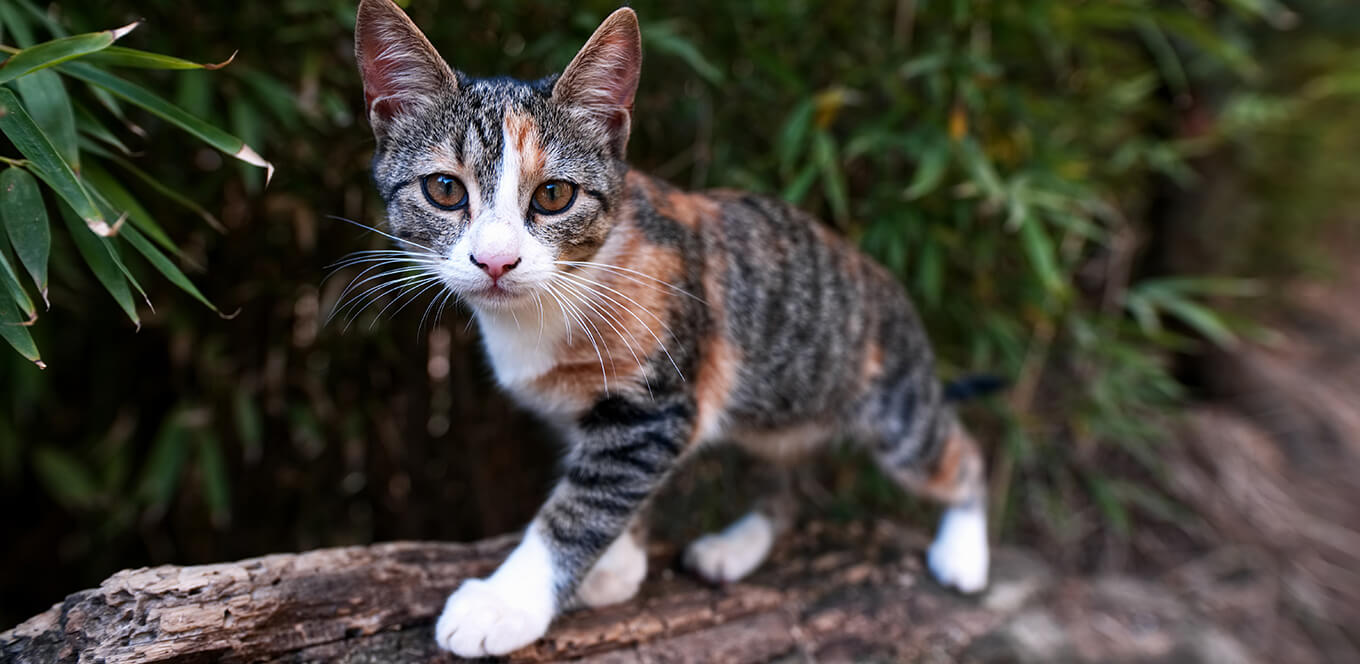
What is the first thing that comes to your mind when you hear the word ‘cat’? It's probably a cat covered in smooth and shiny fur, right? Not only does it look majestic, but every time we pet a cat, it also feels like we are running our fingers through silk. A shiny coat is no less than a divine blessing. However, this heaven-sent beauty can lose its shine if you stop taking care of it. While grooming plays a vital role in maintaining healthy cat fur, there are multiple other factors that influence its look and feel. If you are not aware of how to care for shiny cat fur, continue reading. This article covers everything around cat fur health.
 

Why isn’t your cat’s coat shiny?

If your cat’s fur looks dull, instead of directly jumping on to quick fixes, try understanding its cause. Here are a few common reasons why cat fur loses its shine:
 

  1. Poor diet

    When it comes to maintaining a cat’s lustrous fur, diet is key. In fact, along with keeping your cat's coat shiny, a balanced and complete diet will also ensure its overall well-being. So, make sure that you go for cat foods that are loaded with proteins, carbohydrates, vitamins, minerals, and fats.
  2. Frequent bathing

    We have all seen our hair get damaged due to excessive washing. But did you know? Cats' fur too loses its charm after frequent bathing. That's because overbathing leads to the loss of natural skin oils that keep your feline friend's coat shiny.
  3. Age

    Cats are pretty self sufficient when it comes to grooming. As a caretaker, you do not have to bathe your purrfect pal regularly to follow basic hygiene. However, old-age affects their flexibility, which hinders cats' grooming sessions. So next time your cat chooses to put its natural grooming equipment to use, make sure you assist it. However, lack of flexibility isn't always a sign of old-age. Overweight cats too cannot reach every area of their body. If your cat is obese, create a healthy weight loss plan with your vet.
  4. Medical issues

    If none of the aforementioned factors have caused lacklustre to your cat's coat, the next plausible reason would be a medical condition. Cats lose their coat's shine due to serious health issues like diabetes, parasites, infections, and allergies. In case you suspect that your cat's dull coat is a sign of illness, consult a vet immediately.

How to make a cat’s fur shiny again?

Now that you know the causes of dull cat coats, you can work towards bringing its shine back. Here are a few ways to make cat fur shiny:

  • Brush the coat regularly: Brushing gets rid of dead strands and stimulates hair follicles. Moreover, it also helps spread natural skin oils to the coat, giving you a shiny cat fur.
  • Use the right shampoo: Picking the right shampoo is imperative, especially because the wrong ones can strip off a cat’s natural skin oil and damage the fur.

  • Avoid excessive bathing: Frequent bathing can lead to dry and flaky skin. Hence, do not make your cat take a dip unnecessarily.

  • Follow a healthy diet: We all know that hair strands are 90% protein. Hence, providing protein-rich meals becomes vital for maintaining a shiny cat coat. 
     

How and why nutrition is important for a cat’s coat and skin?

Skin is the largest organ. And with cats, this organ is generally fully covered with fur. They shed and regrow hair strands multiple times in their entire lifetime. However, a poor diet can slow down the regrowth process. Basically, lack of nutrition can eventually lead to bald spots. A diet that not only includes high-quality protein but also vitamins, minerals, good fats, and other nutrients will fast-track the hair growth process, maintain a shiny coat, and strengthen the immune system.

IAMS™ Proactive Health™ Indoor Weight & Hairball Care cat food is loaded with omega-3 and 6 fatty acids to give your cat a shiny and healthy coat. Other essential nutrients like proteins, vitamins, and minerals in this premium cat food support your feline friend’s overall health.

Frequently asked questions

  1. Why is my cat’s fur not shiny?
  2. Cats can lose their coat’s shine due to multiple factors. Here are a few common reasons why your cat’s coat is not shiny:

    • Excessive grooming and bathing
    • Poor diet
    • Wrong shampoo
    • Old age
    • Sudden weight gain
    • Diabetes
    • Allergies
    • Infection

  3. How can I improve my cat’s coat?
  4. Maintaining a healthy and shiny cat coat boils down to two things – hygiene and nutrition. As a cat parent, you must ensure that your feline friend doesn’t groom itself too frequently. However, you cannot neglect hygiene either. Based on its lifestyle and vet recommendation, make sure that your cat doesn’t over or under groom. Moreover, follow a nourishing diet that is packed with proteins, vitamins, minerals, and omega-3 fatty acids. Not only will it maintain your cat's shiny fur but it will also boost healthy hair regrowth.

  5. Can I put oil on my cat’s fur?
  6. Although applying oil on your cat’s fur might not do any harm, it is best to consult your veterinarian regarding the same.

  7. What food helps a cat's coat?
  8. Cats’ fur can say a lot about their overall health. If your feline friend is nourished and healthy from within, it will be reflected through its skin and coat. So make sure that your cat receives nutrients like proteins, vitamins, minerals, and omega-3 fatty acids in the right quantities to help maintain a cat's coat.


  • Your Cat’s Language: What Meows, Chirps and Yowls Mean
    Your Cat’s Language: What Meows, Chirps and Yowls Mean
    adp_description_block357
    Different Types of Cat Sounds

    • Share

    Have you ever wondered about the mysteries behind a cat's purr? It is not just a simple sound, but a blend of feline physiology at work. Cats achieve their signature purr through rapid contractions and relaxations of their laryngeal muscles, around 150 times per second. This creates that familiar, soothing and resonant sound we all adore. And as your cat takes each breath, the airflow caresses these vibrating muscles adding more depth to its purr. In this blog, we will look into the secrets behind this enchanting feline phenomenon. 

    Why do cats purr?

    Purring is a feline’s versatile tool of communication. Sure, cats purr when they are happy and comfy, but they can also purr when they are stressed, in pain, or even when they are hungry – it is like a cat crying for some attention. And here is a fun fact: mama cats purr to bond with their kittens, and kitten sounds are indicators of the little ones telling mom everything is fine. 

    Let us dive into the details of different cat sounds because they might just be trying to tell you something important. 

    Decoding the purrs: what does it mean?

    Cats are like mysterious little furballs, and their purring adds another layer to the enigma. So, what exactly are they trying to convey when they turn on the purr engine? 

    1. Happiness

      When your cat is in its happy place – curled up on your lap or basking in a sunbeam – that gentle purring is often a sign of pure contentment. In cat language, it means, 'Life is good right now.'

    2. Bonding and affection

      Cats are known for their independent streak, but when they snuggle close and start to purr, it is a clear sign of love and bonding. It is a cat’s way of saying, 'You are my favorite human, and I adore you.'

    3. As a location signal

      Ever noticed your cat purring when you are in the same room but cannot see her? That is her way of announcing her presence, like a cat crying as a GPS locator, 'Don’t worry, I am nearby.'

    4. Because they are in pain

      It is not all sunshine and rainbows. Cats may also purr when they are in pain or discomfort, which can be akin to a kitten sound or cat cry, meaning something is not quite right.

    5. To self-medicate and heal

      Cats are remarkable self-healers, and purring may have therapeutic effects. The vibrations produced during purring may promote the healing of bones and tissues. I is their natural way of saying, 'I will make myself better,' and it is not unlike the comforting kitten sound that a mother cat makes to communicate love to her babies.

    6. A reaction to being pet or tickled

      That ecstatic purring when you stroke cats’ fur or tickle them? It is the feline version of laughter. They are loving every moment of your attention, and their purr is a joyful response.

    7. To calm themselves down

      Cats have a unique ability to use purring as a stress-relief mechanism. When faced with a tense situation, they may start to purr to calm their frayed nerves. It is like their built-in stress buster.

    8. To let you know they are hungry

      Sometimes, it is all about the food. Cats can be quite vocal when they are hungry, and this may include the sound of a cat crying. When being loud, it could mean that the cat said it is dinnertime. It is like a polite request for a meal. 

      With this information up your sleeve, the next time your furry friend starts to purr take a moment to decode the message. It is like having a heart-to-heart conversation in your cat’s language!

    Why does my cat meow so much? 

    If your feline friend seems to be a chatterbox, you might be wondering what is behind your cat’s meowing. Cats are quite expressive through their meows, and the reasons can vary. A cat’s meow sound may be to seek attention, express hunger, combat loneliness, or signal stress or discomfort. Older cats may meow more due to cognitive changes, and sometimes, boredom can lead to cats meowing excessively. Paying attention to the context and your cat's specific meowing patterns can help you understand its needs and ensure its well-being.

    Different cat sounds: what is the kitty trying to tell you?

    Cats are vocal creatures, and they have an impressive range of sounds to express themselves. Here are five of the most common cat sounds and what they typically mean.

    1. Meow

      Meowing is an all-purpose communicator in cat language. Cats meow to get your attention, ask for food, or simply say hello. The tone and intensity can convey their emotions, from friendly greetings to a cat crying for urgent demands.

    2. Hiss

      In cat language, this is a clear sign of displeasure or fear. When a cat hisses, it is a warning to back off, and it is best to respect their boundaries.

    3. Chirp 

      This quirky cat sound often happens when a cat spots a bird or other prey through a window. It's like their way of expressing excitement and frustration at not being able to catch it.

    4. Growl 

      This kitten sound is a signal that your cat is feeling threatened or territorial. It is a low, guttural sound meant to deter potential intruders.

    5. Yowl or caterwaul

      This is the sound of a cat crying, meaning it is mating season. This cat crying sound is also heard when an unspayed female is in heat. It is a cat's way of announcing its presence and seeking a mate.

      Understanding these sounds can help you connect better with your feline friend and respond to its needs and emotions appropriately.

    Your Cat’s Language: What Meows, Chirps and Yowls Mean
Close modal