Enter a keyword below to search for articles and products.
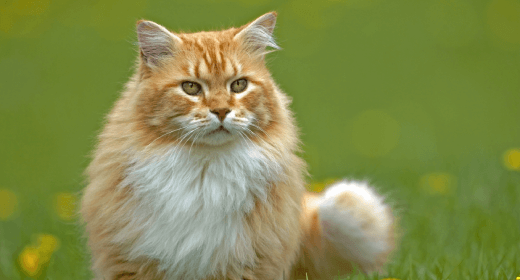
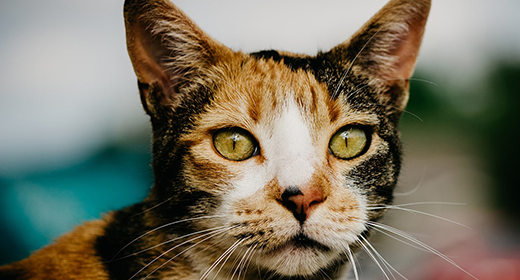
What is the first thing that comes to your mind when you hear the word ‘cat’? It's probably a cat covered in smooth and shiny fur, right? Not only does it look majestic, but every time we pet a cat, it also feels like we are running our fingers through silk. A shiny coat is no less than a divine blessing. However, this heaven-sent beauty can lose its shine if you stop taking care of it. While grooming plays a vital role in maintaining healthy cat fur, there are multiple other factors that influence its look and feel. If you are not aware of how to care for shiny cat fur, continue reading. This article covers everything around cat fur health.
If your cat’s fur looks dull, instead of directly jumping on to quick fixes, try understanding its cause. Here are a few common reasons why cat fur loses its shine:
Now that you know the causes of dull cat coats, you can work towards bringing its shine back. Here are a few ways to make cat fur shiny:
Use the right shampoo: Picking the right shampoo is imperative, especially because the wrong ones can strip off a cat’s natural skin oil and damage the fur.
Avoid excessive bathing: Frequent bathing can lead to dry and flaky skin. Hence, do not make your cat take a dip unnecessarily.
Follow a healthy diet: We all know that hair strands are 90% protein. Hence, providing protein-rich meals becomes vital for maintaining a shiny cat coat.
Skin is the largest organ. And with cats, this organ is generally fully covered with fur. They shed and regrow hair strands multiple times in their entire lifetime. However, a poor diet can slow down the regrowth process. Basically, lack of nutrition can eventually lead to bald spots. A diet that not only includes high-quality protein but also vitamins, minerals, good fats, and other nutrients will fast-track the hair growth process, maintain a shiny coat, and strengthen the immune system.
IAMS™ Proactive Health™ Indoor Weight & Hairball Care cat food is loaded with omega-3 and 6 fatty acids to give your cat a shiny and healthy coat. Other essential nutrients like proteins, vitamins, and minerals in this premium cat food support your feline friend’s overall health.
Cats can lose their coat’s shine due to multiple factors. Here are a few common reasons why your cat’s coat is not shiny:
Maintaining a healthy and shiny cat coat boils down to two things – hygiene and nutrition. As a cat parent, you must ensure that your feline friend doesn’t groom itself too frequently. However, you cannot neglect hygiene either. Based on its lifestyle and vet recommendation, make sure that your cat doesn’t over or under groom. Moreover, follow a nourishing diet that is packed with proteins, vitamins, minerals, and omega-3 fatty acids. Not only will it maintain your cat's shiny fur but it will also boost healthy hair regrowth.
Although applying oil on your cat’s fur might not do any harm, it is best to consult your veterinarian regarding the same.
Cats’ fur can say a lot about their overall health. If your feline friend is nourished and healthy from within, it will be reflected through its skin and coat. So make sure that your cat receives nutrients like proteins, vitamins, minerals, and omega-3 fatty acids in the right quantities to help maintain a cat's coat.
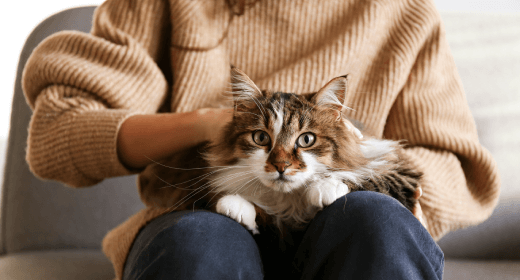
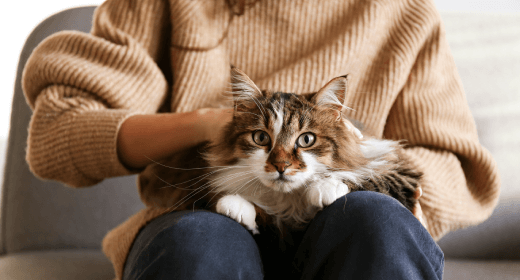
If you have ever indulged in a delicious piece of roasted chicken and noticed your furry friend giving you those irresistibly adorable, pleading eyes, you have probably wondered, 'Can cats eat chicken?'.
Chicken is a good source of protein, and you will find it as an ingredient in many commercial cat foods. However, there are some guidelines to follow. In this blog, we will uncover the delicious details about whether chicken is a friend or foe to our beloved furballs.
Is chicken good for cats? Well, when it comes to feline nutrition, chicken is often regarded as a favorite among our furry companions. Cats are obligate carnivores, which means that animal protein is essential for their overall health. Chicken, a lean and readily available source of protein, can offer several health benefits to your feline friend:
Chicken is a superb source of high-quality animal protein, which is essential for your cat's muscle development, growth, and overall body maintenance. Protein aids in tissue repair and supports a healthy coat.
Chicken is rich in essential amino acids, such as taurine, which is vital for cats. Additionally, taurine deficiency can lead to severe health issues, including heart problems and vision impairments.
Chicken contains essential vitamins and minerals like vitamin B6, niacin, phosphorus, and selenium. These nutrients contribute to your cat's overall well-being and help maintain a strong immune system.
Chicken has a naturally high moisture content, which can help keep your cat hydrated, especially if they are reluctant to drink water. Proper hydration is crucial for kidney health.
Most cats find chicken incredibly tasty, making it an excellent option for enticing picky eaters or cats with a diminished appetite.
While chicken can provide numerous health benefits to your cat, it should always be offered in moderation and as part of a balanced diet. Consult your veterinarian for guidance on the appropriate portion sizes and to ensure that chicken complements your cat's dietary needs.
If you have ever wondered whether it is safe to feed your cat raw chicken, be aware that it poses significant risks. Raw chicken, like other raw meats, can be contaminated with harmful. These pathogens can lead to severe gastrointestinal issues, including vomiting, diarrhoea, and even food poisoning in both cats and humans.
Additionally, when feeding your cat raw chicken increases the risk of nutrient imbalances and deficiencies, as it may lack essential nutrients that are destroyed during cooking.
To ensure your cat's safety, it is best to cook chicken thoroughly. Cooked chicken eliminates the risk of bacterial contamination and provides a safer and more digestible option for your feline friend.
Chicken bones, especially small and brittle ones like those in wings or drumsticks, can pose serious health risks to cats. Unlike dogs, cats have a more delicate digestive system and cannot process bones safely. When cats chew on or swallow bones, they can:
Small bones can get logged in a cat's throat, causing choking, gagging, or even airway obstruction.
Chicken bones can splinter into sharp pieces, which may damage a cat's mouth, throat, or digestive tract.
Bone fragments can create blockages in the gastrointestinal tract, leading to painful and life-threatening conditions.
Sharp bone fragments can puncture a cat's intestines or stomach, causing internal injuries and infections.
To keep your cat safe, always remove bones from chicken before offering it to them. Offer boneless, cooked chicken as an occasional treat, but ensure that it is free of seasonings, spices, and any potentially harmful ingredients.
Cats are known for their carnivorous cravings, but before you toss that raw chicken their way, hold your whiskers! While it might seem like a natural choice, there are some serious risks involved. Let's take a bite-sized look at what you need to know.
Raw chicken can be a breeding ground for nasty characters like Salmonella and Campylobacter. These troublemakers can cause a real bellyache for both your cat and you. Even if your feline friend does not show symptoms, they could pass these pathogens along to you, especially if you have got a delicate immune system. A real 'no-thank-you' dish!
Cooked or uncooked chicken bones can splinter into shards of trouble. These bone bits can wreak havoc on your cat's insides, causing choking, punctures, or blockages. To stay on the safe side, opt for boneless chicken or consider a vet-approved alternative.
Chicken is a protein powerhouse, but it is not the only game in town. Feeding your cat only raw chicken could lead to a dietary disaster. It is missing some crucial nutrients that your feline friend needs for a balanced diet. To keep their tails wagging, consult with a vet or feline nutrition guru to whip up a menu that is both tasty and nutritious.
When it comes to preparing raw chicken for your feline companion, a few key considerations can make all the difference in ensuring a safe and healthy meal:
Freshness is paramount. Check the sell-by date, and inspect the chicken for any signs of spoilage, such as an unusual odour or discoloration. Cats, like us, prefer their meals fresh and free from any hints of spoilage.
Handle raw chicken with care. Ensure your cutting board, knives, and utensils are clean and sanitized to prevent cross-contamination. Keeping a dedicated cutting board for cat food prep can help maintain hygiene.
Rinse the chicken thoroughly under cold water to remove any debris and pat it dry with a clean paper towel. This step helps minimize the risk of bacterial contamination, keeping your cat's meal safe and healthy.
While chicken can offer benefits to cats, it is important to remember a few key points. Always opt for cooked, boneless chicken in moderation, as raw chicken carries health risks due to bacterial contamination and nutrient imbalances. Furthermore, never offer chicken bones to cats, as they can be harmful.
Prioritizing freshness and maintaining proper hygiene when preparing chicken for your cat is essential to ensure its safety and well-being. If you have any doubts or need guidance, consulting a veterinarian or a nutrition expert can help you provide a balanced and secure diet for your feline friend. Moreover, to avoid any safety and dietary concerns, why not go for IAMS cat food? With chicken as the first ingredient, our range of cat food is developed to meet your cat’s day-to-day nutrition quota.