IAMS PH
How to Help Your Obese Cat Lose Weight

adp_description_block410
Ways To Help Obese Cat

  • Share

Let’s start by asking – would you realize if your cat needed to cut down? 

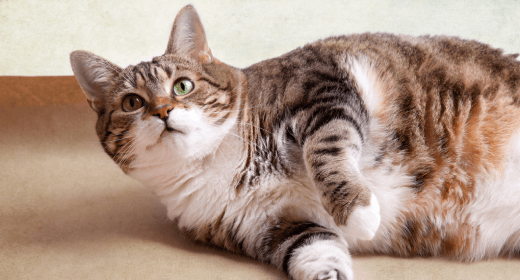
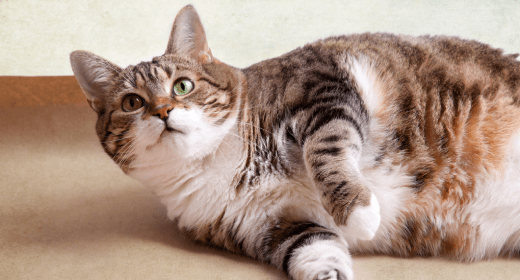
You know your cat is purr-fect. It’s fluffy and has a paunchy belly. But so, what? It could also imply that it is perfectly healthy. Naturally, you may not understand if your fluffball is on the portly side. In fact, overweight cats now appear to outnumber those who have a healthy weight. 

Overfeeding your cat is a big no-no. Even a few additional pounds can increase your cat’s risk of developing certain health conditions, such as type 2 diabetes. It may even prevent your cat from grooming itself properly. Therefore, keeping your cat in shape is crucial to maintain its health, and help it live longer and happier. Well, the good news is that by making some simple dietary and exercise changes, you can assist your overweight cat in losing weight.
 

What Are The Risks Of Obesity?

Obesity is becoming more prevalent in cats, just as it is in humans. It can have long-term consequences on a cat's health, quality of life, and body functioning. Therefore, obesity in cats must be addressed immediately, as it is linked to serious health problems. Here are the risks of cat obesity:

  • Compromised Immune System

When your cat becomes overweight, its immune system gets weakened, leaving it more susceptible to infection. This includes urinary infection as well as 'stones,' which are caused in overweight cats because they’re less active, drink less water, and urinate lesser than healthy cats.

  • Diabetes

Around 80% to 90% of obese cats require daily insulin shots as they are more likely to develop diabetes. But, when their excess weight is eliminated, diabetes can often be reversed.

  • Liver Failure

When your cat’s body senses that it is undernourished, for instance, if a regular food supply is interrupted, the fat is moved from reserves into the liver to be used as energy. But a cat’s body is unable to efficiently control this process, resulting in poor liver function and liver failure. 

  • Difficulty In Grooming

Cats with excess weight have a harder time grooming themselves, which can contribute to skin problems.
 

How Do I Know If My Cat Is Overweight?

  • When gently running your fingers across the side of your cat, you should be able to feel and count its ribs.
  • Then, when you look down at your cat from above, you should observe an hourglass figure. If it looks like a balloon, then your cat is certainly overweight or obese.
  • Finally, you should notice a tiny tuck or upward slope of the tummy when you look at your cat from the side. If the abdomen looks baggy and drags near the ground, that points to the presence of the most harmful and biologically active form of fat, which is abdominal fat.

Here is a chart for you to understand better – 
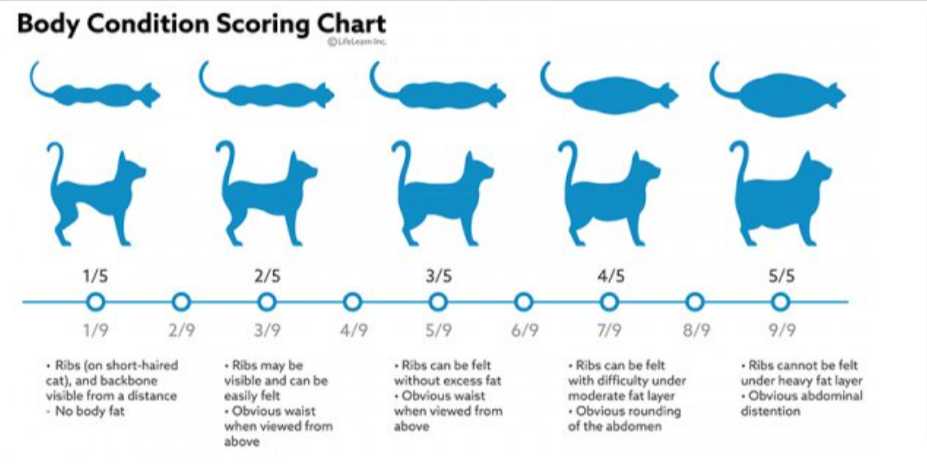
body condition chart

How To Avoid Obesity In Your Cat?

After you get your overweight cat in shape, your goal must be to maintain it for its good health and longevity. Here are some things you should avoid doing to keep your cat from becoming overweight:

  • Avoid Free-Feeding

You should avoid free -feeding your cat to prevent it from becoming obese. Set up definite feeding times and keep treats to a minimum.
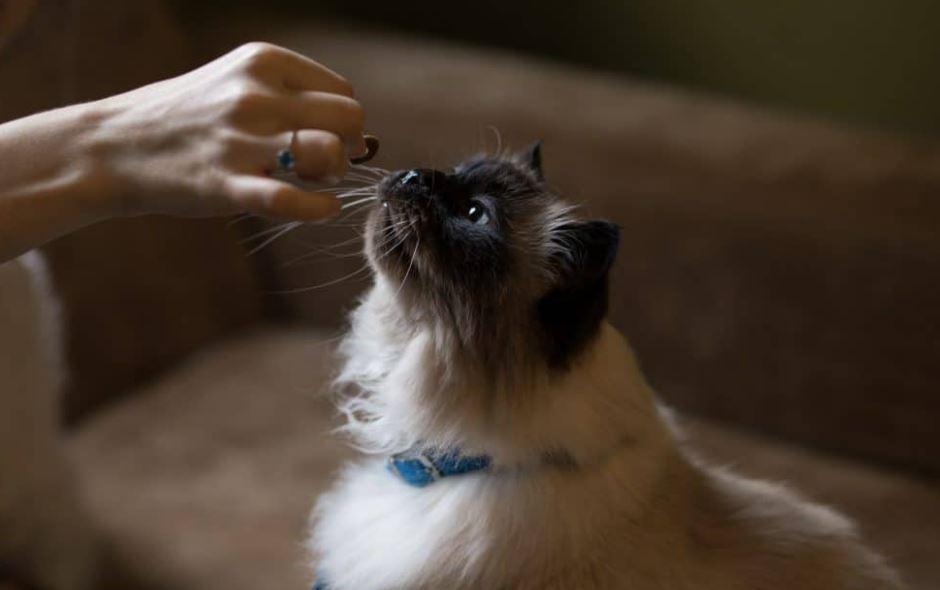
Avoid Free-Feeding

  • Incorporate Outdoor Activities Or Excises Into The Routine

Your cat is at even more risk of becoming overweight if it does not engage in any outdoor activity. To avoid boredom and prevent weight gain, find some interesting toys, set aside playtime, and make it a priority for your indoor cat. Another approach is to go for a walk outside with your cat on a leash.
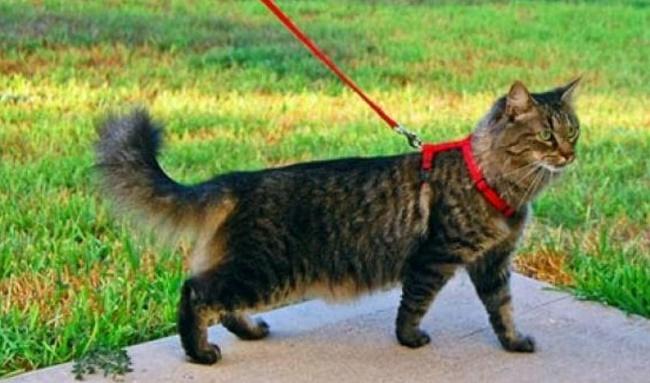
ncorporate Outdoor Activities Or Excises Into The Routine

  • Measure The Servings Each Time

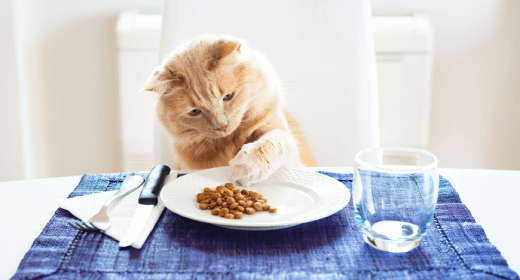
Assess how much food your cat truly needs with the advice of your vet, based on your cat's activity level and desired weight. Once you've calculated how much food your cat requires, measure the food for each meal. Remember that cats are little, and while the portion may appear small to you, some extra kibbles can make the difference between maintaining weight and gaining weight.
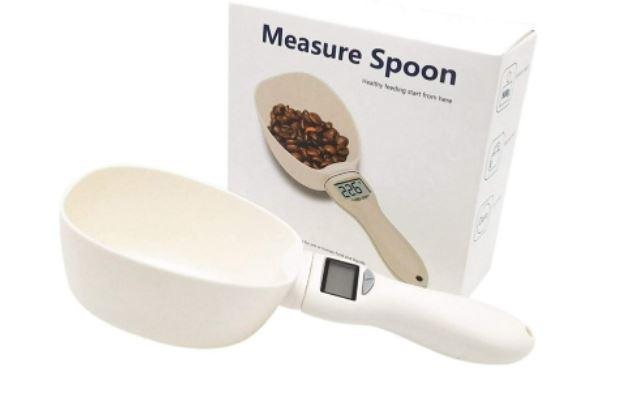
Measure The Servings Each Time

Loosing weight is difficult for cats. Therefore, the best way is to control their weight before they get obese.

  • Play Ball!

Another way to help your cat lose weight is to increase her activity. Provide cat 'trees' for climbing or teach your cat to play fetch. Buy or create your own toys that encourage exercise. Many cats enjoy chasing lights from pointers or flashlights. One ingenious owner throws her cat's dry food ration a piece at a time! Many cats enjoy learning to walk on a leash. You also can use your cat's natural hunting instinct to help her lose weight. Hide several small portions of her daily food ration around the house. If you have a multi-level home, make your cat use the stairs. Use your imagination but be cautious. Don't let a fat cat get exhausted, overheated, or out of breath. Also, keep in mind that an old cat may not be able to exercise vigorously.

Use playtime, grooming, stroking, or conversation as rewards instead of food treats. If you cannot resist the fat cat who begs for food at the dinner table, remove the cat during dinnertime. If you have a multi-cat household, the consistent winner of the food competition sweepstakes is often obese. If this is the case, separate the cats at mealtimes if possible.

  • Patience

Obesity is easier to prevent than to cure, but it is never too late to reverse it—though it requires long-term patience and commitment. Helping cats lose weight is a slow process. If the amount they eat is severely restricted, the cat risks other health problems.

Increased activity, behavior modification (for both you and your cat), and calorie restriction are your weapons against feline obesity. However, with all these things, it is important to expect a few setbacks and plateaus. It will take at least four months for an obese cat to lose 15% of her starting weight. At that point, have another look at your cat's body condition and go on from there.

  • Tips For Starting A Weight-Management Program

Always check with your veterinarian first.
Eliminate all food treats.
Divide the daily food portion into several smaller meals.
Feed a diet formulated specifically for weight loss.
Weigh your cat every two weeks.
Cats should not lose more than 1% to 1.5% of initial weight per week.
Be patient and consistent!


 

FAQ On How To Care For Your Cats Hairball Issues

  1. Should I Worry About Cat Hairball?
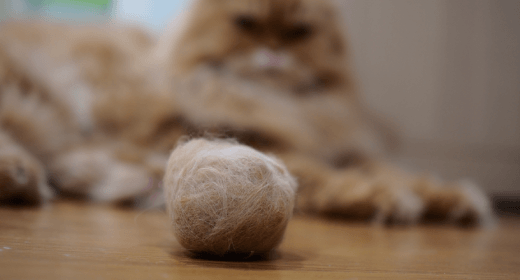
  2. It is natural for a cat to throw up occasional hairballs. But you should only start to be concerned if your cat is coughing out a hairball every few weeks or for more than 48 hours at a stretch. This is a symptom of too much hair ending up in the gut.

  3. How Often Should Cats Have Hairballs?
  4. No matter how long their coat is, cats should only produce one hairball every week. Schedule an appointment with the veterinarian if your cat is vomiting hairballs more regularly or not eating.

  5. How Can I Help My Cat Pass A Hairball?
  6. You should feed your cat lots of prebiotics and natural fibers in its food to help it pass hairballs and maintain a healthy digestive tract. As a result, ensure that your cat is on a hairball-control diet and is getting enough fiber.

  7. How Long Does It Take A Cat To Pass A Hairball?
  8. Generally, the fur travels through the gastrointestinal tract undisturbed and emerges in a stool. The digestion process takes 7 to 12 hours. Sometimes the fur can also accumulate in the stomach and create a hairball. This takes a little longer, but healthy hairballs should be gone in 24 to 48 hours.

  9. Can Cat Hairballs Be Dangerous?
  10. Cat hairballs can be dangerous as they can cause severe blockages in their intestines and pose health issues later. In extreme cases, choking can also lead to death.

  11. What If The Cat Is Overweight Or Senior?
  12. Overweight cats have special nutritional needs in order to promote weight loss or weight management. Likewise, senior cats have special nutritional needs that are better met through a diet designed specifically for them. If an overweight or senior cat has problems with hairballs, feeding an IAMS hairball formula for indoor or senior (age 7+) cats is a great choice.

  13. Should IAMS Hairball Formulas Be Fed Exclusively?
  14. Yes. Mixing other foods with IAMS hairball formulas may compromise the effectiveness of this diet by diluting the nutrients that help reduce the risk of hairball formation. Switching between IAMS hairball formulas and another cat food may also decrease the benefit of feeding this diet.

  • cat article detail banner
    Chicken: The Complete Protein Source for Your Cat
    adp_description_block332
    Can Cats Eat Chicken? Benefits, Risks, and Precautions

    • Share

    If you have ever indulged in a delicious piece of roasted chicken and noticed your furry friend giving you those irresistibly adorable, pleading eyes, you have probably wondered, 'Can cats eat chicken?'. 
     

    Chicken is a good source of protein, and you will find it as an ingredient in many commercial cat foods. However, there are some guidelines to follow. In this blog, we will uncover the delicious details about whether chicken is a friend or foe to our beloved furballs. 
     

    Health benefits of chicken for cats

    Is chicken good for cats? Well, when it comes to feline nutrition, chicken is often regarded as a favorite among our furry companions. Cats are obligate carnivores, which means that animal protein is essential for their overall health. Chicken, a lean and readily available source of protein, can offer several health benefits to your feline friend:
     

    1. High-quality protein 

      Chicken is a superb source of high-quality animal protein, which is essential for your cat's muscle development, growth, and overall body maintenance. Protein aids in tissue repair and supports a healthy coat.
       

    2. Amino acids

      Chicken is rich in essential amino acids, such as taurine, which is vital for cats. Additionally, taurine deficiency can lead to severe health issues, including heart problems and vision impairments.
       

    3. Nutrient-rich

      Chicken contains essential vitamins and minerals like vitamin B6, niacin, phosphorus, and selenium. These nutrients contribute to your cat's overall well-being and help maintain a strong immune system.
       

    4. Hydration

      Chicken has a naturally high moisture content, which can help keep your cat hydrated, especially if they are reluctant to drink water. Proper hydration is crucial for kidney health.
       

    5. Palatability 

      Most cats find chicken incredibly tasty, making it an excellent option for enticing picky eaters or cats with a diminished appetite.
       

      While chicken can provide numerous health benefits to your cat, it should always be offered in moderation and as part of a balanced diet. Consult your veterinarian for guidance on the appropriate portion sizes and to ensure that chicken complements your cat's dietary needs.
       

    Can cats eat raw chicken?

    If you have ever wondered whether it is safe to feed your cat raw chicken, be aware that it poses significant risks.  Raw chicken, like other raw meats, can be contaminated with harmful. These pathogens can lead to severe gastrointestinal issues, including vomiting, diarrhoea, and even food poisoning in both cats and humans.
     

    Additionally, when feeding your cat raw chicken increases the risk of nutrient imbalances and deficiencies, as it may lack essential nutrients that are destroyed during cooking.
     

    To ensure your cat's safety, it is best to cook chicken thoroughly. Cooked chicken eliminates the risk of bacterial contamination and provides a safer and more digestible option for your feline friend.
     

    Can cats eat chicken bones?

    Chicken bones, especially small and brittle ones like those in wings or drumsticks, can pose serious health risks to cats. Unlike dogs, cats have a more delicate digestive system and cannot process bones safely. When cats chew on or swallow bones, they can:
     

    1. Choke: 

      Small bones can get logged in a cat's throat, causing choking, gagging, or even airway obstruction.
       

    2. Splinter: 

      Chicken bones can splinter into sharp pieces, which may damage a cat's mouth, throat, or digestive tract.
       

    3. Blockage: 

      Bone fragments can create blockages in the gastrointestinal tract, leading to painful and life-threatening conditions.
       

    4. Perforate organs: 

      Sharp bone fragments can puncture a cat's intestines or stomach, causing internal injuries and infections.
       

      To keep your cat safe, always remove bones from chicken before offering it to them. Offer boneless, cooked chicken as an occasional treat, but ensure that it is free of seasonings, spices, and any potentially harmful ingredients.
       

    Is raw chicken good for cats?

    Cats are known for their carnivorous cravings, but before you toss that raw chicken their way, hold your whiskers! While it might seem like a natural choice, there are some serious risks involved. Let's take a bite-sized look at what you need to know.
     

    1. Parasites and bacteria

      Raw chicken can be a breeding ground for nasty characters like Salmonella and Campylobacter. These troublemakers can cause a real bellyache for both your cat and you. Even if your feline friend does not show symptoms, they could pass these pathogens along to you, especially if you have got a delicate immune system. A real 'no-thank-you' dish!
       

    2. Bones

      Cooked or uncooked chicken bones can splinter into shards of trouble. These bone bits can wreak havoc on your cat's insides, causing choking, punctures, or blockages. To stay on the safe side, opt for boneless chicken or consider a vet-approved alternative.
       

    3. Nutritional deficiency

      Chicken is a protein powerhouse, but it is not the only game in town. Feeding your cat only raw chicken could lead to a dietary disaster. It is missing some crucial nutrients that your feline friend needs for a balanced diet. To keep their tails wagging, consult with a vet or feline nutrition guru to whip up a menu that is both tasty and nutritious.
       

    Things to keep in mind while preparing raw chicken for cats

    When it comes to preparing raw chicken for your feline companion, a few key considerations can make all the difference in ensuring a safe and healthy meal:
     

    1. Make sure the chicken is fresh

      Freshness is paramount. Check the sell-by date, and inspect the chicken for any signs of spoilage, such as an unusual odour or discoloration. Cats, like us, prefer their meals fresh and free from any hints of spoilage.
       

    2. Prep the chicken before serving

      Handle raw chicken with care. Ensure your cutting board, knives, and utensils are clean and sanitized to prevent cross-contamination. Keeping a dedicated cutting board for cat food prep can help maintain hygiene.
       

    3. Clean the chicken well to avoid the spread of bacteria

      Rinse the chicken thoroughly under cold water to remove any debris and pat it dry with a clean paper towel. This step helps minimize the risk of bacterial contamination, keeping your cat's meal safe and healthy.
       

      While chicken can offer benefits to cats, it is important to remember a few key points. Always opt for cooked, boneless chicken in moderation, as raw chicken carries health risks due to bacterial contamination and nutrient imbalances. Furthermore, never offer chicken bones to cats, as they can be harmful.
       

      Prioritizing freshness and maintaining proper hygiene when preparing chicken for your cat is essential to ensure its safety and well-being. If you have any doubts or need guidance, consulting a veterinarian or a nutrition expert can help you provide a balanced and secure diet for your feline friend. Moreover, to avoid any safety and dietary concerns, why not go for IAMS cat food? With chicken as the first ingredient, our range of cat food is developed to meet your cat’s day-to-day nutrition quota.

Close modal