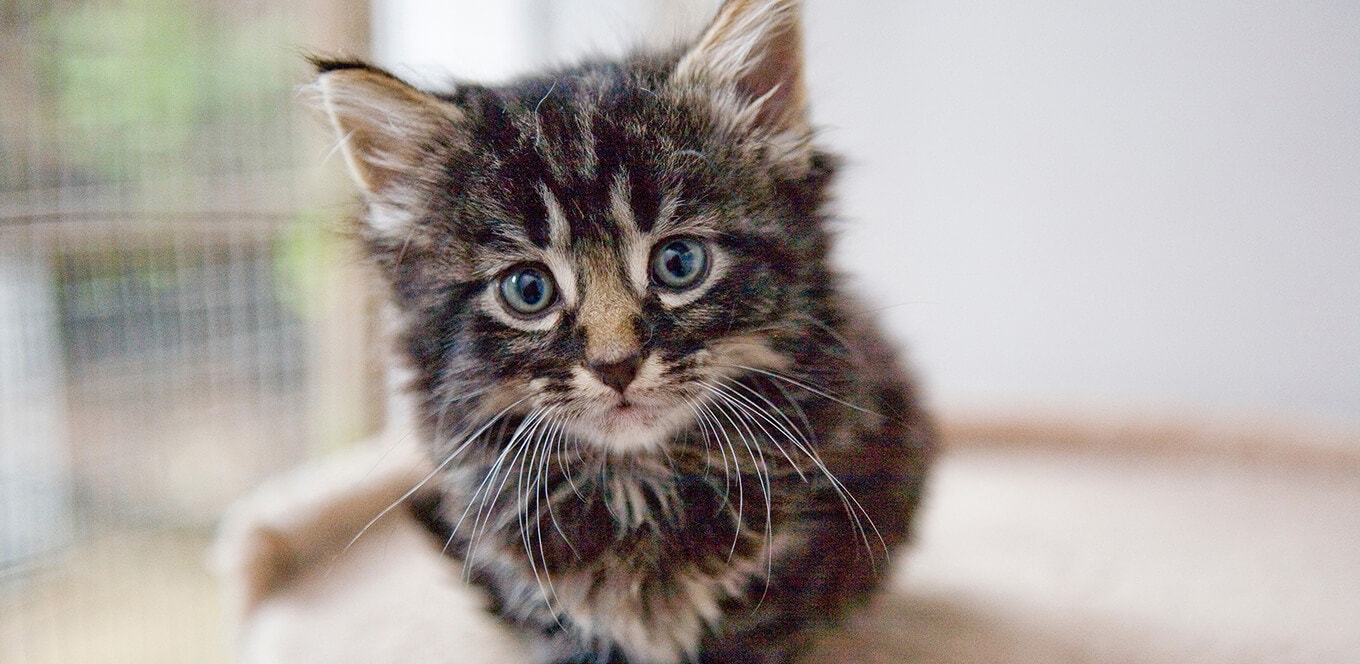
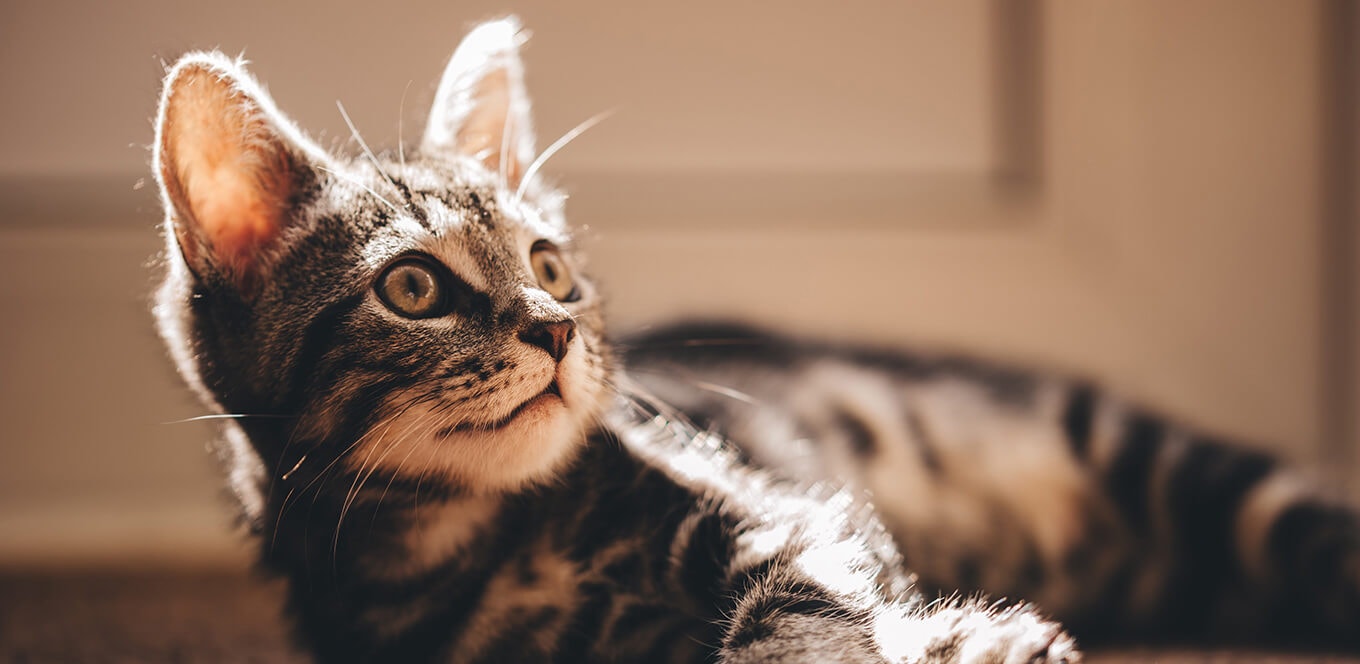
A newborn cat brings endless love and laughter to any household. However, as a new kitten parent, it is important to understand that caring for a kitten is not just about feeding and playing with them. Kittens have specific dietary needs, and it is important to provide them with high-quality kitten food that meets their nutritional requirements. Regular grooming, vaccination, and preventive care are essential in keeping your kitten healthy and free from diseases. This guide will give you all the information you need to raise a healthy kitten and ensure that it grows into a happy and healthy adult cat.
Check out the below table to understand how a cat develops with time:
Age | Milestone |
5 to 6 months old | Sexual maturity |
8 months old | Full set of adult teeth |
9 months old | Comparable digestion ability to adult |
12 months old (female) and 18 months old (male) | Reach adult body weight |
Between 10 to 12 months of age | Energy requirements go down to adult levels |
Want to know how old your cat is in human years? Check out the below table and find out:
| Life stage | Cat age | Cat age in human years |
|---|---|---|
| Kitten | 0 to 1 month old | 0 to 1 years old |
| 2 months old | 2 years old | |
| 3 months old | 4 years old | |
| 4 months old | 6 years old | |
| 5 months old | 8 years old | |
| 6 months old | 10 years old | |
| Junior | 7 months old | 12 years old |
| 12 months old | 15 years old | |
| 18 months old | 21 years old | |
| 2 years old | 24 years old | |
| Adult | 3 years old | 28 years old |
| 4 years old | 32 years old | |
| 5 years old | 36 years old | |
| 6 years old | 40 years old | |
| Mature | 7 years old | 44 years old |
| 8 years old | 48 years old | |
| 9 years old | 52 years old | |
| 10 years old | 56 years old | |
| Senior | 11 years old | 60 years old |
| 12 years old | 64 years old | |
| 13 years old | 68 years old | |
| 14 years old | 72 years old | |
| Super senior | 15 years old | 76 years old |
| 16 years old | 80 years old | |
| 17 years old | 84 years old | |
| 18 years old | 88 years old | |
| 19 years old | 92 years old | |
| 20 years old | 96 years old | |
| 21 years old | 100 years old | |
| 22 years old | 104 years old | |
| 23 years old | 108 years old | |
| 24 years old | 112 years old | |
| 25 years old | 116 years old |
In conclusion, raising a healthy kitten requires a lot of care and attention, but with the right knowledge and commitment, you can ensure that your kitten grows into a happy and healthy adult cat. Always consult your veterinarian for any questions or concerns, and don't hesitate to seek advice or guidance. With the right care and love, your kitten will bring you years of joy and companionship.
Signs of a healthy kitten include clear eyes, a clean coat, and a healthy appetite. It should also have a high-energy level to stay active. Regular check-ups with a veterinarian can also ensure your kitten is in good health.
Regular veterinary check-ups, proper nutrition and exercise as well as keeping up with vaccinations and preventative care are important for maintaining your kitten's health.
Kittens can be susceptible to a variety of health issues, including upper respiratory infections, worms, as well as flea and tick infestations. They can also develop chronic conditions such as diabetes or heart disease later in life.
Kittens are vulnerable to a variety of health issues, but with proper care and regular veterinary check-ups, they can stay healthy.
Kittens do need to drink water to stay hydrated, but the exact amount will vary depending on factors such as their age, size, and activity level. Consult with a veterinarian for specific recommendations.


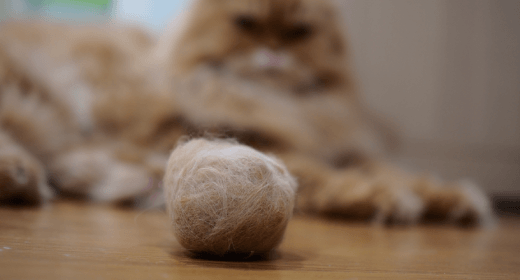
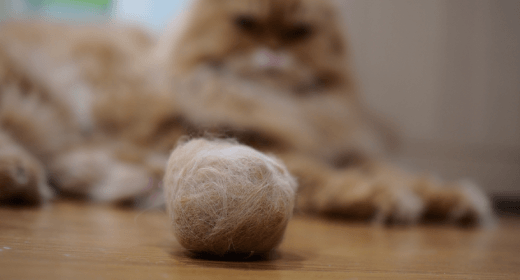
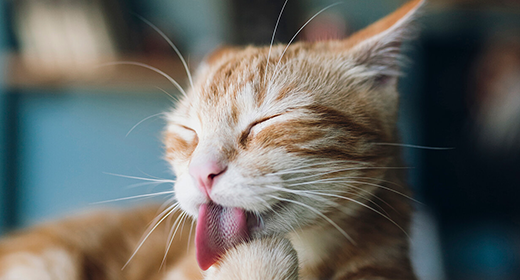
Most cats spend a considerable amount of time grooming their coats. As they do so, their hair is swallowed and may build up over time in their stomach. If the hairball doesn’t pass from the stomach, the cat will attempt to eliminate it by coughing or gagging.
Many cats have a hairball at some point in their life, but some cats, such as long-haired cats and cats that groom excessively, are especially prone to hairballs. In hairball-prone cats, frequent brushing can help reduce the amount of hair that is ingested, thereby reducing the risk of hairball formation. Feeding a special diet designed to decrease the likelihood of developing a hairball may also help.
Diet can be important in hairball relief for several reasons. The fiber combination of powdered cellulose and beet pulp in IAMS™ hairball formulas helps move hair through the digestive tract. IAMS research has shown that cats fed IAMS ProActive Health™ Adult Hairball Care pass 80% more hair in their feces than cats fed a leading premium dry cat food. By helping ingested hair to be passed from the digestive tract, IAMS hairball formulas help reduce the opportunities for hairballs to form. This fiber blend also includes a moderately fermentable component to promote intestinal health. High-quality, animal-based protein and fat, found in IAMS hairball formulas, provide important nutrients for skin and coat health. Maintaining skin and coat health may reduce the risk of excessive shedding, ingestion of hair from grooming, and, consequently, hairball formation.
Overweight cats have special nutritional needs in order to promote weight loss or weight management. Likewise, senior cats have special nutritional needs that are better met through a diet designed specifically for them. If an overweight or senior cat has problems with hairballs, feeding an IAMS hairball formula for indoor or senior (age 7+) cats is a great choice.
Yes. Mixing other foods with IAMS hairball formulas may compromise the effectiveness of this diet by diluting the nutrients that help reduce the risk of hairball formation. Switching between IAMS hairball formulas and another cat food may also decrease the benefit of feeding this diet.