Enter a keyword below to search for articles and products.
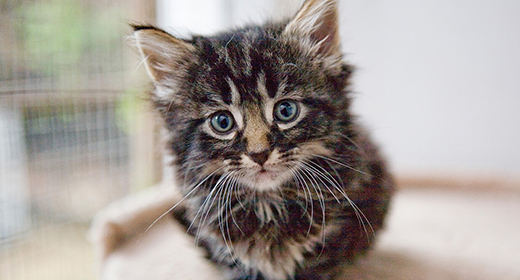
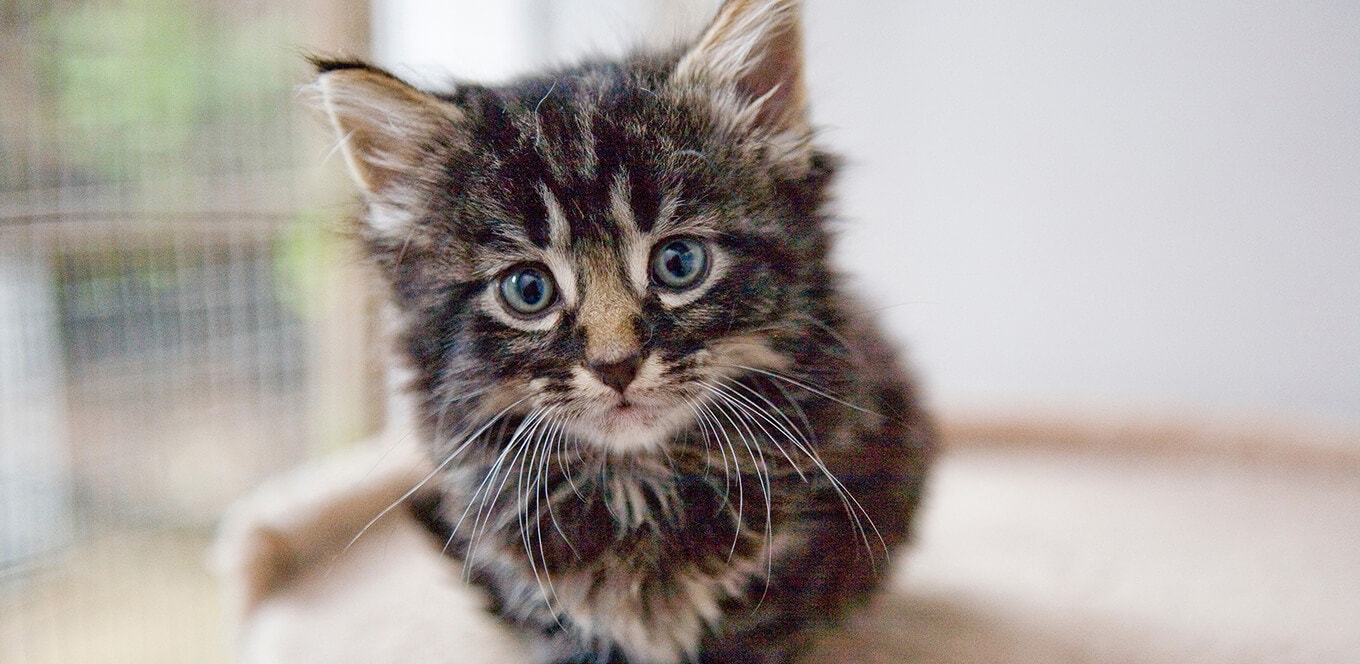
A newborn cat brings endless love and laughter to any household. However, as a new kitten parent, it is important to understand that caring for a kitten is not just about feeding and playing with them. Kittens have specific dietary needs, and it is important to provide them with high-quality kitten food that meets their nutritional requirements. Regular grooming, vaccination, and preventive care are essential in keeping your kitten healthy and free from diseases. This guide will give you all the information you need to raise a healthy kitten and ensure that it grows into a happy and healthy adult cat.
Check out the below table to understand how a cat develops with time:
Age | Milestone |
5 to 6 months old | Sexual maturity |
8 months old | Full set of adult teeth |
9 months old | Comparable digestion ability to adult |
12 months old (female) and 18 months old (male) | Reach adult body weight |
Between 10 to 12 months of age | Energy requirements go down to adult levels |
Want to know how old your cat is in human years? Check out the below table and find out:
| Life stage | Cat age | Cat age in human years |
|---|---|---|
| Kitten | 0 to 1 month old | 0 to 1 years old |
| 2 months old | 2 years old | |
| 3 months old | 4 years old | |
| 4 months old | 6 years old | |
| 5 months old | 8 years old | |
| 6 months old | 10 years old | |
| Junior | 7 months old | 12 years old |
| 12 months old | 15 years old | |
| 18 months old | 21 years old | |
| 2 years old | 24 years old | |
| Adult | 3 years old | 28 years old |
| 4 years old | 32 years old | |
| 5 years old | 36 years old | |
| 6 years old | 40 years old | |
| Mature | 7 years old | 44 years old |
| 8 years old | 48 years old | |
| 9 years old | 52 years old | |
| 10 years old | 56 years old | |
| Senior | 11 years old | 60 years old |
| 12 years old | 64 years old | |
| 13 years old | 68 years old | |
| 14 years old | 72 years old | |
| Super senior | 15 years old | 76 years old |
| 16 years old | 80 years old | |
| 17 years old | 84 years old | |
| 18 years old | 88 years old | |
| 19 years old | 92 years old | |
| 20 years old | 96 years old | |
| 21 years old | 100 years old | |
| 22 years old | 104 years old | |
| 23 years old | 108 years old | |
| 24 years old | 112 years old | |
| 25 years old | 116 years old |
In conclusion, raising a healthy kitten requires a lot of care and attention, but with the right knowledge and commitment, you can ensure that your kitten grows into a happy and healthy adult cat. Always consult your veterinarian for any questions or concerns, and don't hesitate to seek advice or guidance. With the right care and love, your kitten will bring you years of joy and companionship.
Signs of a healthy kitten include clear eyes, a clean coat, and a healthy appetite. It should also have a high-energy level to stay active. Regular check-ups with a veterinarian can also ensure your kitten is in good health.
Regular veterinary check-ups, proper nutrition and exercise as well as keeping up with vaccinations and preventative care are important for maintaining your kitten's health.
Kittens can be susceptible to a variety of health issues, including upper respiratory infections, worms, as well as flea and tick infestations. They can also develop chronic conditions such as diabetes or heart disease later in life.
Kittens are vulnerable to a variety of health issues, but with proper care and regular veterinary check-ups, they can stay healthy.
Kittens do need to drink water to stay hydrated, but the exact amount will vary depending on factors such as their age, size, and activity level. Consult with a veterinarian for specific recommendations.
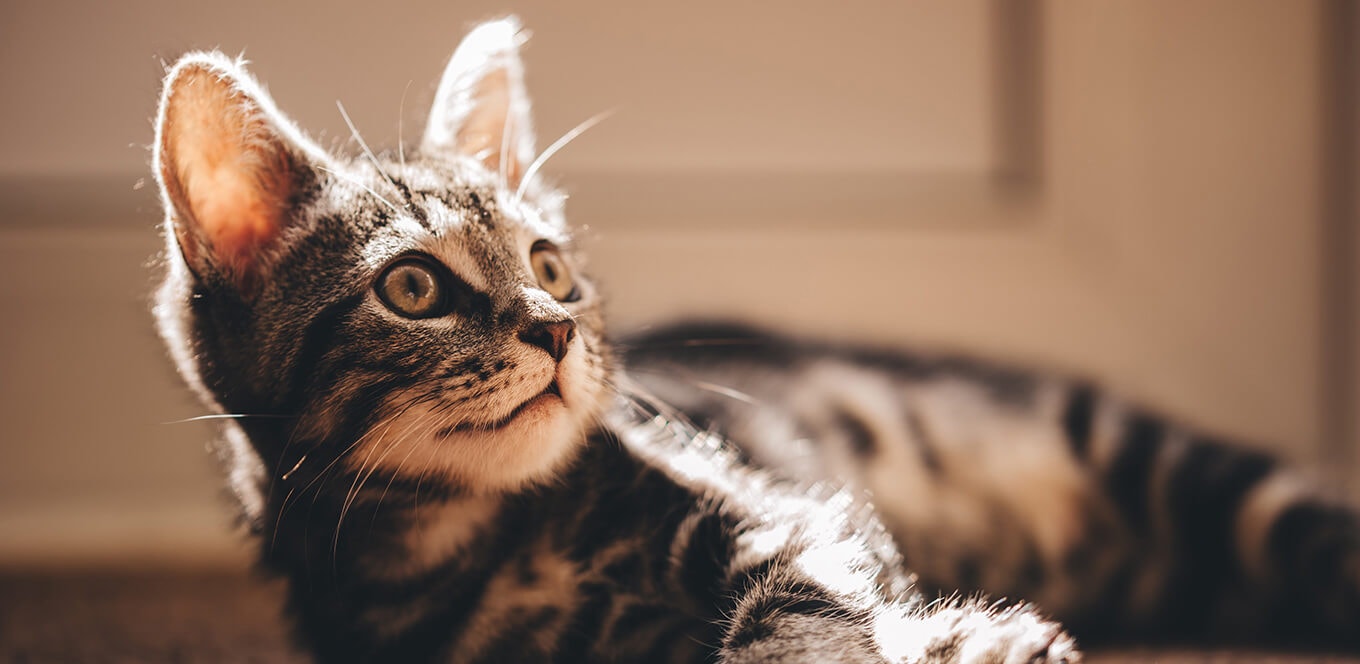


How can you make sure you’re feeding your cat the right food at the right time and in the right quantities? If you’re choosing new cat food, deciding on a feeding schedule, concerned about a food-related health condition, or wondering about supplements or treats, check out our feeding guidelines for cats.
Cats are obligate carnivores, and this means that they cannot survive solely on a plant-based diet as they won’t get all the required nutrients from it. To stay healthy and survive, cats require at least 70% of the nutrients found in animal meat. So, your cat’s diet and choice of food should be prepared accordingly. To start off, you can begin by making a feeding plan for your cats to ensure they get the nutrition they require.
You can divide your cat’s daily diet into two main meals which are spaced no more than 12 hours apart. Alternatively, you can divide the food into multiple meals such as breakfast, lunch, and dinner. However, do ensure that these meals provide the cat with enough calories and other nutrients - not more or less than recommended.
Once your cats are set on a regular feeding schedule, you will slowly begin noticing their usual feeding habits. Habits such as playing with their food, eating alone, and hoarding food are quite normal for cats. So, if you notice any of these, you don’t have to be worried. A few habits that you may have to be mindful of are:
If you notice your cat showing either of these habits, book an appointment with your vet as soon as possible.
Before making a meal plan for your cat, it is important to understand which pet food is right for them. This is because there are a few factors upon which your cat’s basic calorie and nutrient intake depend. While a vet can help you with a detailed cat feeding guide, here is a quick look at factors that you need to keep in mind.
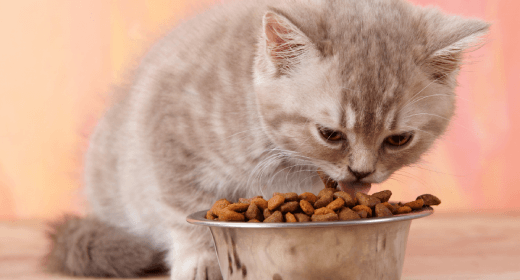
A practical guideline to follow is that kittens should be fed three times a day from weaning (three to six weeks) right up to four months of age. After four months, they should be fed twice a day. Most cats should continue to be fed twice a day throughout their life, although some pets do well with one feeding.
The amount to feed your cat depends on your pet’s age, size and activity level. Feeding guidelines, which list the daily-recommended portion, are included on all IAMS™ packages. Start feeding with this amount and adjust according to your pet’s needs. Remember to divide the portion accordingly if you feed more than once a day.
When changing your cat’s diet, it’s important to introduce the new food slowly. Start by offering your cat’s daily portion in a ratio of 25% new food to 75% old food. During the next three days, gradually increase the amount of new food and decrease the amount of old.
Once you have understood your own cats’ feeding guide based on age and other factors, it is important to figure out what kind of food to pick - wet or dry. Both these types of foods have their unique benefits, and each one can prove necessary for different stages of a cat’s life to fulfil nutritional requirements. Since each of these types of food finds its place in a cat’s feeding guidelines, let’s take a closer look.
Wet food is an excellent treat that can be fed alone or mixed with dry food. Wet food is good for cats for the following reasons:
Dry food comprises kibbles made with ingredients that are generally preferred by cats. Dry food is easier to use to feed cats and can be given with a food dispenser. This type of food also has a longer shelf life. Here are some more benefits of dry food for your feline friend.
The crunchy texture of dry food also promotes healthy teeth and gums and provides overall good oral hygiene
Although our wet cat foods are nutritionally complete and balanced for a cat’s diet, it is not necessary to offer wet food at every feeding. Our dry foods are formulated with high-quality protein sources such as chicken, lamb or fish and contain all the essential nutrients pets need.
You can also consult your vet regarding your cat’s feeding guidelines, and they will make changes if necessary. Also, it is best to consult your vet before making any major changes in your cat’s meals, like adding or switching to raw food diet for cats. Your vet may conduct a nutritional evaluation of your cat to determine what food they require.
No — boredom with food is a human trait. Cats are creatures of habit and usually are content with just one food. Cats generally eat to meet their energy or nutritional needs. They have very short digestive systems, and if their diet is abruptly or constantly changed, digestive disturbances can occur. Also, constant changes can make your pet a finicky eater.
Adding water will not change the nutritional value of dry cat food. However, once moisture is added the food should be eaten relatively soon, and any uneaten portion should be discarded to avoid spoilage. Feeding your cat dry food is usually encouraged because of the benefit to your cat’s dental health.
Cats and dogs have different nutritional requirements and should not eat each other’s food. For example, cats require a much higher level of taurine in their diet. An occasional venture into each other’s bowls will not be harmful but is not recommended on a regular basis.
Our foods are nutritionally complete and balanced. Adding vitamins, minerals or oils can offset the balance the food provides. One of the benefits of feeding a high-quality product is that it has been carefully balanced in proper ratios to provide optimal nutrition, so nothing needs to be added.
Contact the IAMS Pet Care and Nutrition Specialists toll-free at 1-800-675-3849.