Enter a keyword below to search for articles and products.
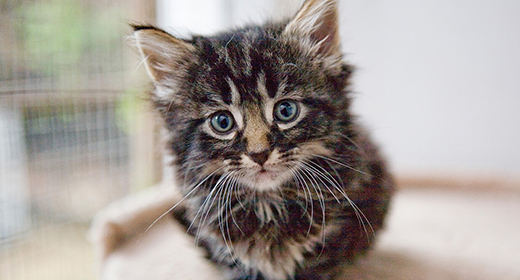
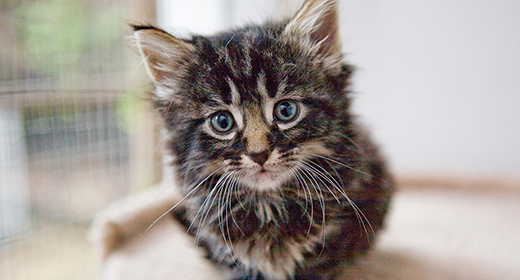
A newborn cat brings endless love and laughter to any household. However, as a new kitten parent, it is important to understand that caring for a kitten is not just about feeding and playing with them. Kittens have specific dietary needs, and it is important to provide them with high-quality kitten food that meets their nutritional requirements. Regular grooming, vaccination, and preventive care are essential in keeping your kitten healthy and free from diseases. This guide will give you all the information you need to raise a healthy kitten and ensure that it grows into a happy and healthy adult cat.
Check out the below table to understand how a cat develops with time:
Age | Milestone |
5 to 6 months old | Sexual maturity |
8 months old | Full set of adult teeth |
9 months old | Comparable digestion ability to adult |
12 months old (female) and 18 months old (male) | Reach adult body weight |
Between 10 to 12 months of age | Energy requirements go down to adult levels |
Want to know how old your cat is in human years? Check out the below table and find out:
| Life stage | Cat age | Cat age in human years |
|---|---|---|
| Kitten | 0 to 1 month old | 0 to 1 years old |
| 2 months old | 2 years old | |
| 3 months old | 4 years old | |
| 4 months old | 6 years old | |
| 5 months old | 8 years old | |
| 6 months old | 10 years old | |
| Junior | 7 months old | 12 years old |
| 12 months old | 15 years old | |
| 18 months old | 21 years old | |
| 2 years old | 24 years old | |
| Adult | 3 years old | 28 years old |
| 4 years old | 32 years old | |
| 5 years old | 36 years old | |
| 6 years old | 40 years old | |
| Mature | 7 years old | 44 years old |
| 8 years old | 48 years old | |
| 9 years old | 52 years old | |
| 10 years old | 56 years old | |
| Senior | 11 years old | 60 years old |
| 12 years old | 64 years old | |
| 13 years old | 68 years old | |
| 14 years old | 72 years old | |
| Super senior | 15 years old | 76 years old |
| 16 years old | 80 years old | |
| 17 years old | 84 years old | |
| 18 years old | 88 years old | |
| 19 years old | 92 years old | |
| 20 years old | 96 years old | |
| 21 years old | 100 years old | |
| 22 years old | 104 years old | |
| 23 years old | 108 years old | |
| 24 years old | 112 years old | |
| 25 years old | 116 years old |
In conclusion, raising a healthy kitten requires a lot of care and attention, but with the right knowledge and commitment, you can ensure that your kitten grows into a happy and healthy adult cat. Always consult your veterinarian for any questions or concerns, and don't hesitate to seek advice or guidance. With the right care and love, your kitten will bring you years of joy and companionship.
Signs of a healthy kitten include clear eyes, a clean coat, and a healthy appetite. It should also have a high-energy level to stay active. Regular check-ups with a veterinarian can also ensure your kitten is in good health.
Regular veterinary check-ups, proper nutrition and exercise as well as keeping up with vaccinations and preventative care are important for maintaining your kitten's health.
Kittens can be susceptible to a variety of health issues, including upper respiratory infections, worms, as well as flea and tick infestations. They can also develop chronic conditions such as diabetes or heart disease later in life.
Kittens are vulnerable to a variety of health issues, but with proper care and regular veterinary check-ups, they can stay healthy.
Kittens do need to drink water to stay hydrated, but the exact amount will vary depending on factors such as their age, size, and activity level. Consult with a veterinarian for specific recommendations.
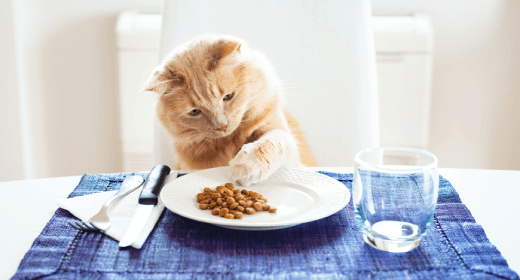
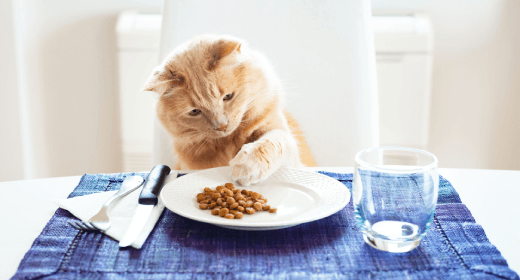
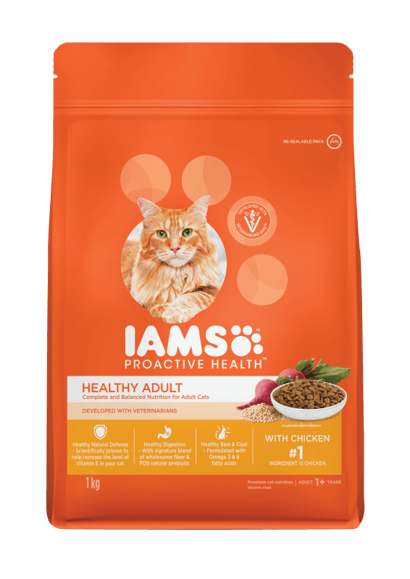
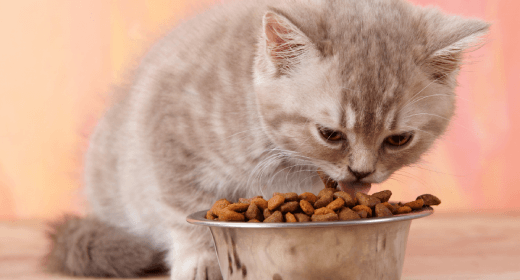
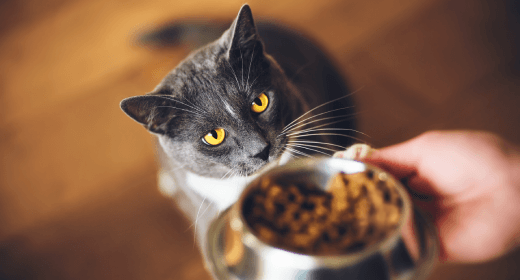
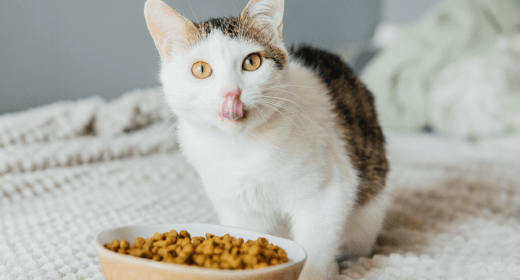
Compared to humans, your cat needs a high-fat, high-protein diet along with other important nutrients. Cats usually eat many small meals throughout the day, so they easily adopt a free choice feeding schedule to maintain their normal body weight. Dry foods, such as IAMS™ PROACTIVE HEALTH™ Healthy Adult with Chicken, are best suited for free choice feeding because they stay fresh for a longer period.

Here are few tips on how to feed a cat:
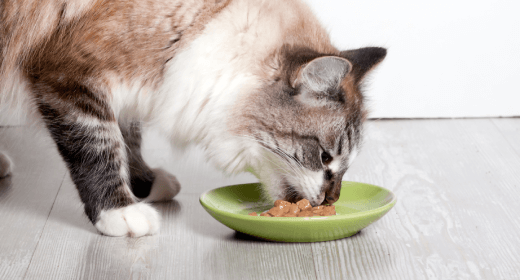
Wondering what do cats eat ? Cats need nutrients from animal-based protein sources. Providing the vitamins, minerals, proteins, and other components found in a portion of complete and balanced pet food can help your cat live a long and healthy life. It is important to avoid supplementing your cat's diet, as doing so may lead to a variety of health problems.
When selecting cat food, refer to a cat nutrition chart that offers the following nutrients:
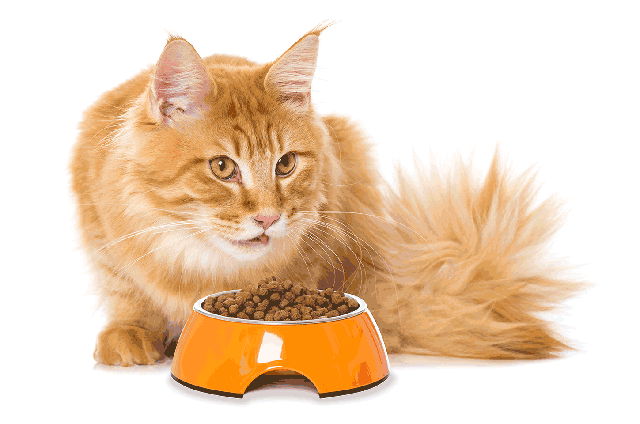
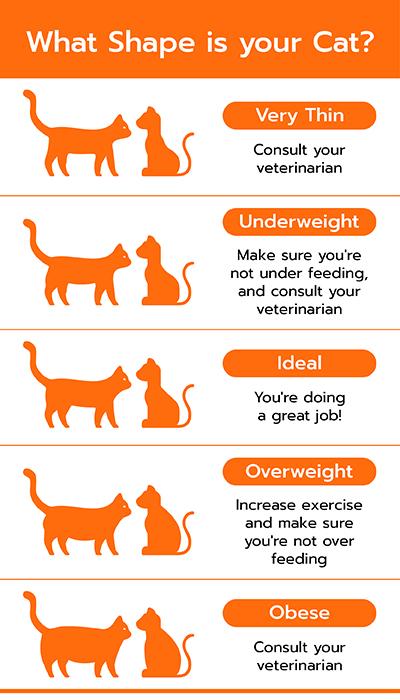
Same time, we recommend you control the amount of food you feed your cat. Even if it is a weight loss-based cat food, the quantity should be checked properly.
The amount to feed your cat depends on its age, size, and activity level. Feeding guidelines that recommend the daily amount of food you may feed your cat are included on all IAMS packages. Start feeding your cat the mentioned amount and adjust according to its needs. Remember to divide the portion accordingly if you feed more than once a day. With that said now, take a look at this chart on how much to feed a cat:
| Weight of cat (kg) | G/day |
|---|---|
| 3 | 45 |
| 4 | 55 |
| 5 | 60 |
| 6 | 70 |
| 7 | 80 |
| 8 | 90 |
IAMS offers a high protein diet food for cats that are either underweight or overweight. The IAMS Indoor Weight and Hairball Care food is made with a formula that is suitable for cats who are either in need of increasing weight or decreasing it. The benefits of this cat diet plan are as follows: