IAMS PH
How to Care for Your Cat’s Hairball Issues

adp_description_block360
Care for Your Cat Hairball Issues

  • Share

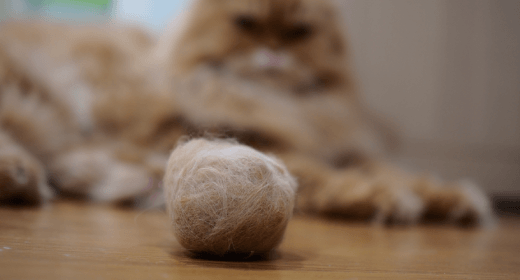
You love your cat. But the sight of watching your cat gag and cough up a hairball is anything but pleasant. Moreover, cat hairball can also cause intestinal blockages, which can lead to serious health issues for your cat. 
 

So, Is It Common For Cats To Cough-Up Hairballs?

Cat furball is common, but its seriousness varies from cat to cat. Long-haired breeds, such as Maine Coons and Persians, are more susceptible to developing hairballs. Besides, hairballs are more common in cats who shed excessively or groom themselves obsessively because they swallow a lot of fur. 

In fact, you may have noticed that your cat didn't have hairballs when it was younger but developed the habit as it grew older. Cats become better groomers and even better at getting rid of fur from their coats with their tongues, resulting in more hairballs for you to clean up. It is this grooming behavior that is linked with the intake of fur.
 

How Can What A Cat Eats Help?

Diet can be important in hairball relief for several reasons. The fiber combination of powdered cellulose and beet pulp in IAMS™ hairball formulas help move hair through the digestive tract. IAMS research has shown that cats fed IAMS ProActive Health™ Adult Hairball Care pass 80% more hair in their feces than cats fed a leading premium dry cat food. By helping ingested hair to be passed from the digestive tract, IAMS hairball formulas help reduce the opportunities for hairballs to form. This fiber blend also includes a moderately fermentable component to promote intestinal health. High-quality, animal-based protein and fat, found in IAMS hairball formulas, provide important nutrients for skin and coat health. Maintaining skin and coat health may reduce the risk of excessive shedding, ingestion of hair from grooming, and, consequently, hairball formation.
 

Symptoms Of Hairballs In Cats

  • Lack Of Appetite

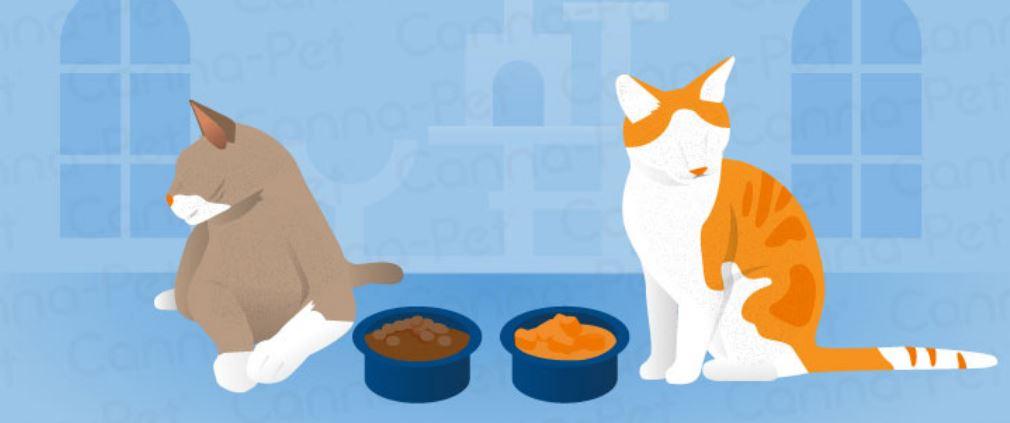
It's important to treat your cat's lack of appetite, as even a short period of time without food can have a significant influence on your cat's health. A decrease in appetite could suggest that your cat's hairballs have caused an intestinal blockage. It can also be an indication of a range of other issues. But regardless of the underlying cause, it is a problem that must be addressed as soon as possible.
Lack Of Appetite
 

  • Lethargy

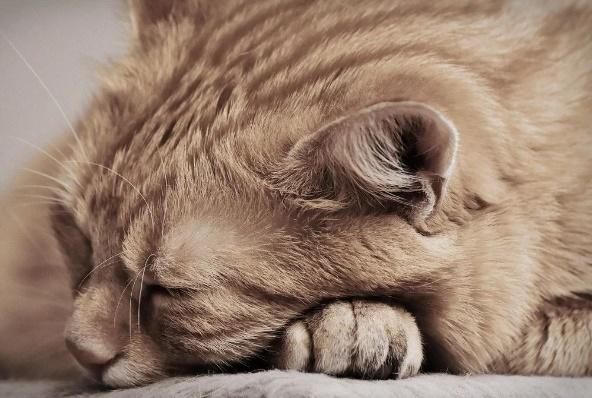
Fatigue and lethargy are also common signs of a range of health problems in cats. They can, however, arise in conjunction with intestinal clogs. If your cat appears lethargic or weak, it may have a hairball blockage and require medical attention.
Lethargy
 

  • Constipation

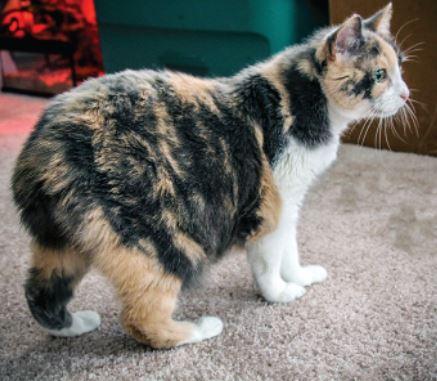
Keep a watch on your cat's litter box if they are vomiting hairballs frequently. Hairballs and constipation are both signs of a hazardous blockage that should be treated by an emergency veterinarian. Constipation in cats can be fatal on its own. Therefore, this is an issue that needs to be addressed correctly to ensure your cat is healthy.
Constipation
 

  • Diarrhea 

This could indicate that something is extremely wrong with your cat's digestive system, especially if it happens frequently. Cats with frequent diarrhea can quickly get dehydrated, so make sure they're getting enough water. Try boosting their liquid intake with wet food until you can get them to the vet.
 

Treatment And Prevention Of Hairballs

  • Grooming Regularly 

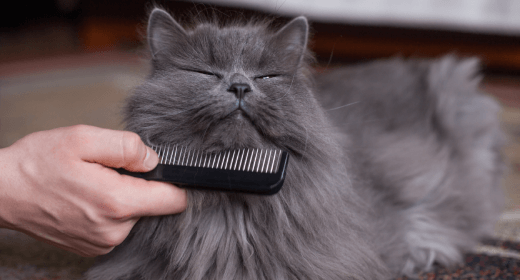
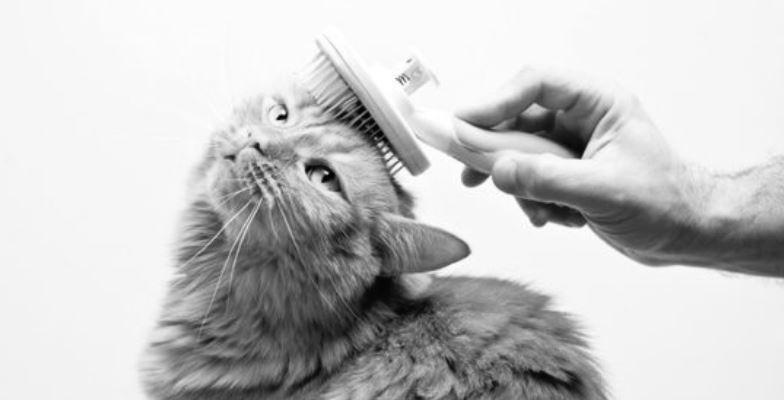
If your cat is getting constant hairballs, then you should take your cat for regular grooming. The best way to overcome cat hairball issues is by brushing or combing their fur regularly. This way, less fur will wind up in their stomach as hairballs. It will also be a fun way for you to bond with your cat.
Grooming Regularly 
 

  • Specialized Hairball Food

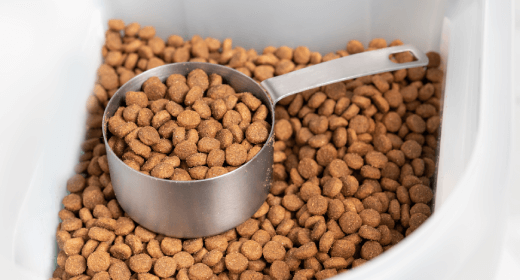
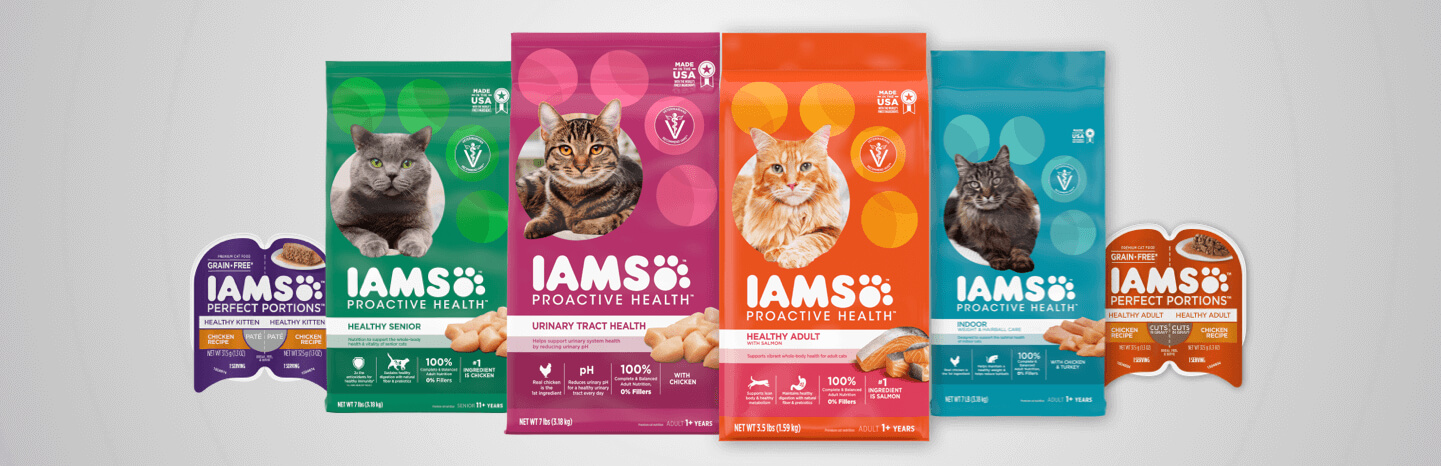
Hairball formula or cat food is another remedy to prevent cat hairball. Hairball-reduction cat diets are now available from any pet food company. These high-fiber compositions are meant to promote the health of your cat's coat, reduce shedding, and help hairballs move through the digestive tract in cats.
Specialized Hairball Food
 

Using Hairball Product Or Laxative

There are several cat hairball treatment products available on the market today. The best thing about them is that most of those laxatives are mild that aid in the easy passage of hairballs through the digestive tract.


 

FAQ On How To Care For Your Cats Hairball Issues

  1. Should I Worry About Cat Hairball?
  2. It is natural for a cat to throw up occasional hairballs. But you should only start to be concerned if your cat is coughing out a hairball every few weeks or for more than 48 hours at a stretch. This is a symptom of too much hair ending up in the gut.

  3. How Often Should Cats Have Hairballs?
  4. No matter how long their coat is, cats should only produce one hairball every week. Schedule an appointment with the veterinarian if your cat is vomiting hairballs more regularly or not eating.

  5. How Can I Help My Cat Pass A Hairball?
  6. You should feed your cat lots of prebiotics and natural fibers in its food to help it pass hairballs and maintain a healthy digestive tract. As a result, ensure that your cat is on a hairball-control diet and is getting enough fiber.

  7. How Long Does It Take A Cat To Pass A Hairball?
  8. Generally, the fur travels through the gastrointestinal tract undisturbed and emerges in a stool. The digestion process takes 7 to 12 hours. Sometimes the fur can also accumulate in the stomach and create a hairball. This takes a little longer, but healthy hairballs should be gone in 24 to 48 hours.

  9. Can Cat Hairballs Be Dangerous?
  10. Cat hairballs can be dangerous as they can cause severe blockages in their intestines and pose health issues later. In extreme cases, choking can also lead to death.

  11. What If The Cat Is Overweight Or Senior?
  12. Overweight cats have special nutritional needs in order to promote weight loss or weight management. Likewise, senior cats have special nutritional needs that are better met through a diet designed specifically for them. If an overweight or senior cat has problems with hairballs, feeding an IAMS hairball formula for indoor or senior (age 7+) cats is a great choice.

  13. Should IAMS Hairball Formulas Be Fed Exclusively?
  14. Yes. Mixing other foods with IAMS hairball formulas may compromise the effectiveness of this diet by diluting the nutrients that help reduce the risk of hairball formation. Switching between IAMS hairball formulas and another cat food may also decrease the benefit of feeding this diet.

  • Why Nutrition in Cat Food Is Key for Shiny Coat
    Why Nutrition in Cat Food Is Key for Shiny Coat
    adp_description_block158
    Comprehensive Guide to Maintain a Shiny Cat Coat

    • Share

    What is the first thing that comes to your mind when you hear the word ‘cat’? It's probably a cat covered in smooth and shiny fur, right? Not only does it look majestic, but every time we pet a cat, it also feels like we are running our fingers through silk. A shiny coat is no less than a divine blessing. However, this heaven-sent beauty can lose its shine if you stop taking care of it. While grooming plays a vital role in maintaining healthy cat fur, there are multiple other factors that influence its look and feel. If you are not aware of how to care for shiny cat fur, continue reading. This article covers everything around cat fur health.
     

    Why isn’t your cat’s coat shiny?

    If your cat’s fur looks dull, instead of directly jumping on to quick fixes, try understanding its cause. Here are a few common reasons why cat fur loses its shine:
     

    1. Poor diet

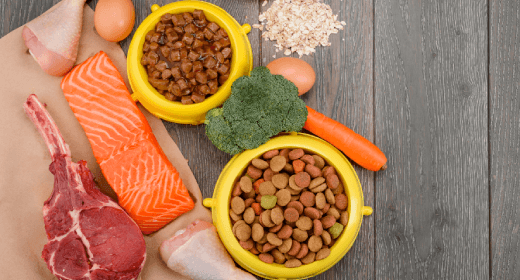
      When it comes to maintaining a cat’s lustrous fur, diet is key. In fact, along with keeping your cat's coat shiny, a balanced and complete diet will also ensure its overall well-being. So, make sure that you go for cat foods that are loaded with proteins, carbohydrates, vitamins, minerals, and fats.
    2. Frequent bathing

      We have all seen our hair get damaged due to excessive washing. But did you know? Cats' fur too loses its charm after frequent bathing. That's because overbathing leads to the loss of natural skin oils that keep your feline friend's coat shiny.
    3. Age

      Cats are pretty self sufficient when it comes to grooming. As a caretaker, you do not have to bathe your purrfect pal regularly to follow basic hygiene. However, old-age affects their flexibility, which hinders cats' grooming sessions. So next time your cat chooses to put its natural grooming equipment to use, make sure you assist it. However, lack of flexibility isn't always a sign of old-age. Overweight cats too cannot reach every area of their body. If your cat is obese, create a healthy weight loss plan with your vet.
    4. Medical issues

      If none of the aforementioned factors have caused lacklustre to your cat's coat, the next plausible reason would be a medical condition. Cats lose their coat's shine due to serious health issues like diabetes, parasites, infections, and allergies. In case you suspect that your cat's dull coat is a sign of illness, consult a vet immediately.

    How to make a cat’s fur shiny again?

    Now that you know the causes of dull cat coats, you can work towards bringing its shine back. Here are a few ways to make cat fur shiny:

    • Brush the coat regularly: Brushing gets rid of dead strands and stimulates hair follicles. Moreover, it also helps spread natural skin oils to the coat, giving you a shiny cat fur.
    • Use the right shampoo: Picking the right shampoo is imperative, especially because the wrong ones can strip off a cat’s natural skin oil and damage the fur.

    • Avoid excessive bathing: Frequent bathing can lead to dry and flaky skin. Hence, do not make your cat take a dip unnecessarily.

    • Follow a healthy diet: We all know that hair strands are 90% protein. Hence, providing protein-rich meals becomes vital for maintaining a shiny cat coat. 
       

    How and why nutrition is important for a cat’s coat and skin?

    Skin is the largest organ. And with cats, this organ is generally fully covered with fur. They shed and regrow hair strands multiple times in their entire lifetime. However, a poor diet can slow down the regrowth process. Basically, lack of nutrition can eventually lead to bald spots. A diet that not only includes high-quality protein but also vitamins, minerals, good fats, and other nutrients will fast-track the hair growth process, maintain a shiny coat, and strengthen the immune system.

    IAMS™ Proactive Health™ Indoor Weight & Hairball Care cat food is loaded with omega-3 and 6 fatty acids to give your cat a shiny and healthy coat. Other essential nutrients like proteins, vitamins, and minerals in this premium cat food support your feline friend’s overall health.

Close modal