IAMS PH
How to Care for Your Cat’s Hairball Issues

adp_description_block183
Care for Your Cat Hairball Issues

  • Share

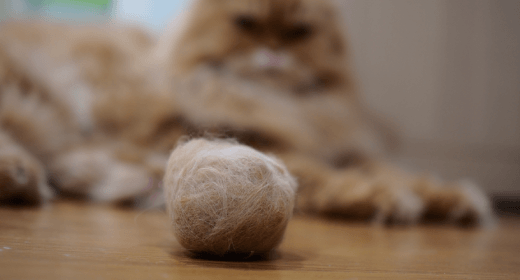
You love your cat. But the sight of watching your cat gag and cough up a hairball is anything but pleasant. Moreover, cat hairball can also cause intestinal blockages, which can lead to serious health issues for your cat. 
 

So, Is It Common For Cats To Cough-Up Hairballs?

Cat furball is common, but its seriousness varies from cat to cat. Long-haired breeds, such as Maine Coons and Persians, are more susceptible to developing hairballs. Besides, hairballs are more common in cats who shed excessively or groom themselves obsessively because they swallow a lot of fur. 

In fact, you may have noticed that your cat didn't have hairballs when it was younger but developed the habit as it grew older. Cats become better groomers and even better at getting rid of fur from their coats with their tongues, resulting in more hairballs for you to clean up. It is this grooming behavior that is linked with the intake of fur.
 

How Can What A Cat Eats Help?

Diet can be important in hairball relief for several reasons. The fiber combination of powdered cellulose and beet pulp in IAMS™ hairball formulas help move hair through the digestive tract. IAMS research has shown that cats fed IAMS ProActive Health™ Adult Hairball Care pass 80% more hair in their feces than cats fed a leading premium dry cat food. By helping ingested hair to be passed from the digestive tract, IAMS hairball formulas help reduce the opportunities for hairballs to form. This fiber blend also includes a moderately fermentable component to promote intestinal health. High-quality, animal-based protein and fat, found in IAMS hairball formulas, provide important nutrients for skin and coat health. Maintaining skin and coat health may reduce the risk of excessive shedding, ingestion of hair from grooming, and, consequently, hairball formation.
 

Symptoms Of Hairballs In Cats

  • Lack Of Appetite

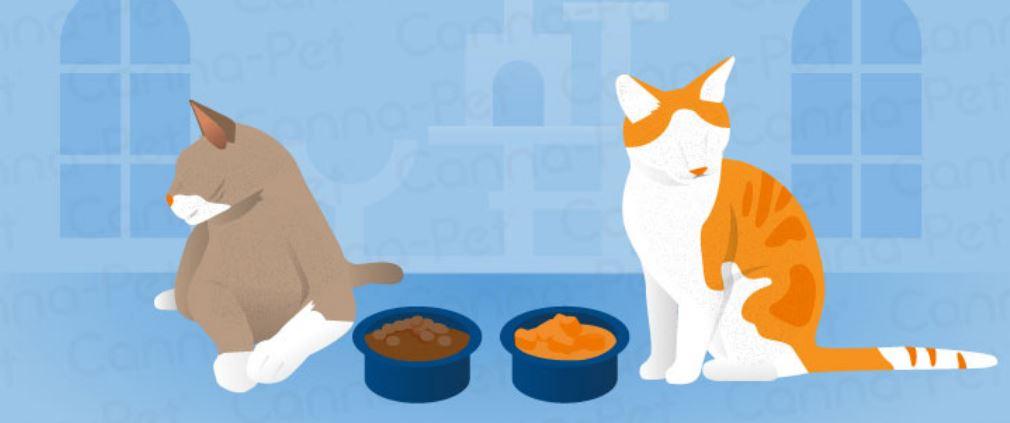
It's important to treat your cat's lack of appetite, as even a short period of time without food can have a significant influence on your cat's health. A decrease in appetite could suggest that your cat's hairballs have caused an intestinal blockage. It can also be an indication of a range of other issues. But regardless of the underlying cause, it is a problem that must be addressed as soon as possible.
Lack Of Appetite
 

  • Lethargy

Fatigue and lethargy are also common signs of a range of health problems in cats. They can, however, arise in conjunction with intestinal clogs. If your cat appears lethargic or weak, it may have a hairball blockage and require medical attention.

Lethargy
 

  • Constipation

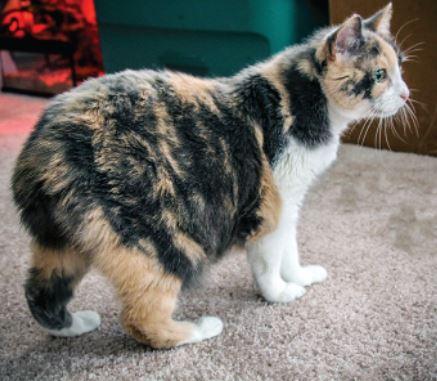
Keep a watch on your cat's litter box if they are vomiting hairballs frequently. Hairballs and constipation are both signs of a hazardous blockage that should be treated by an emergency veterinarian. Constipation in cats can be fatal on its own. Therefore, this is an issue that needs to be addressed correctly to ensure your cat is healthy.
Constipation
 

  • Diarrhea 

This could indicate that something is extremely wrong with your cat's digestive system, especially if it happens frequently. Cats with frequent diarrhea can quickly get dehydrated, so make sure they're getting enough water. Try boosting their liquid intake with wet food until you can get them to the vet.
 

Treatment And Prevention Of Hairballs

  • Grooming Regularly 

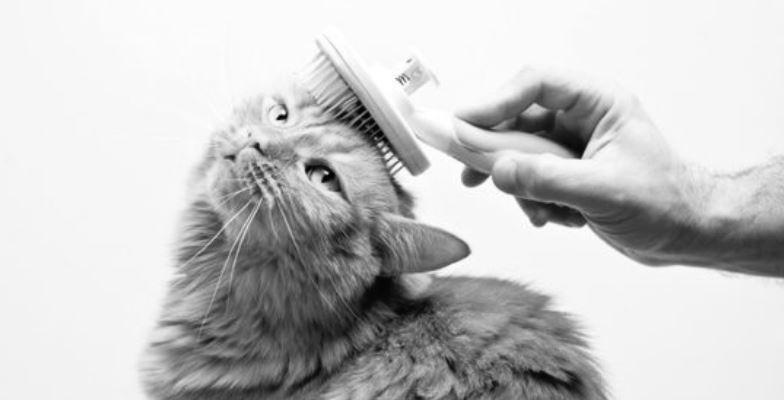
If your cat is getting constant hairballs, then you should take your cat for regular grooming. The best way to overcome cat hairball issues is by brushing or combing their fur regularly. This way, less fur will wind up in their stomach as hairballs. It will also be a fun way for you to bond with your cat.
Grooming Regularly 
 

  • Specialized Hairball Food

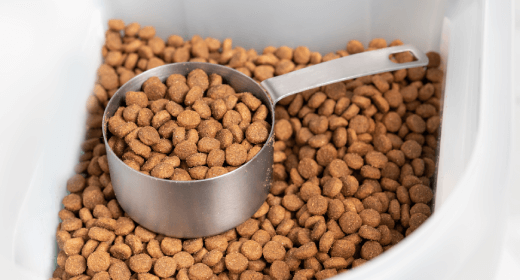
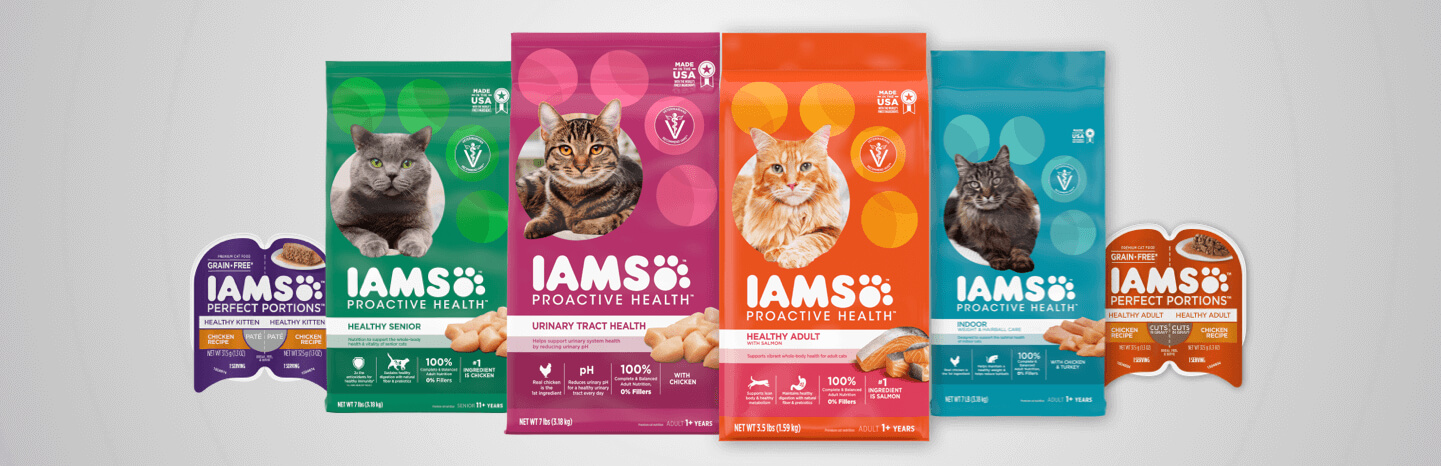
Hairball formula or cat food is another remedy to prevent cat hairball. Hairball-reduction cat diets are now available from any pet food company. These high-fiber compositions are meant to promote the health of your cat's coat, reduce shedding, and help hairballs move through the digestive tract in cats.
Specialized Hairball Food
 

Using Hairball Product Or Laxative

There are several cat hairball treatment products available on the market today. The best thing about them is that most of those laxatives are mild that aid in the easy passage of hairballs through the digestive tract.


 

FAQ On How To Care For Your Cats Hairball Issues

  1. Should I Worry About Cat Hairball?
  2. It is natural for a cat to throw up occasional hairballs. But you should only start to be concerned if your cat is coughing out a hairball every few weeks or for more than 48 hours at a stretch. This is a symptom of too much hair ending up in the gut.

  3. How Often Should Cats Have Hairballs?
  4. No matter how long their coat is, cats should only produce one hairball every week. Schedule an appointment with the veterinarian if your cat is vomiting hairballs more regularly or not eating.

  5. How Can I Help My Cat Pass A Hairball?
  6. You should feed your cat lots of prebiotics and natural fibers in its food to help it pass hairballs and maintain a healthy digestive tract. As a result, ensure that your cat is on a hairball-control diet and is getting enough fiber.

  7. How Long Does It Take A Cat To Pass A Hairball?
  8. Generally, the fur travels through the gastrointestinal tract undisturbed and emerges in a stool. The digestion process takes 7 to 12 hours. Sometimes the fur can also accumulate in the stomach and create a hairball. This takes a little longer, but healthy hairballs should be gone in 24 to 48 hours.

  9. Can Cat Hairballs Be Dangerous?
  10. Cat hairballs can be dangerous as they can cause severe blockages in their intestines and pose health issues later. In extreme cases, choking can also lead to death.

  11. What If The Cat Is Overweight Or Senior?
  12. Overweight cats have special nutritional needs in order to promote weight loss or weight management. Likewise, senior cats have special nutritional needs that are better met through a diet designed specifically for them. If an overweight or senior cat has problems with hairballs, feeding an IAMS hairball formula for indoor or senior (age 7+) cats is a great choice.

  13. Should IAMS Hairball Formulas Be Fed Exclusively?
  14. Yes. Mixing other foods with IAMS hairball formulas may compromise the effectiveness of this diet by diluting the nutrients that help reduce the risk of hairball formation. Switching between IAMS hairball formulas and another cat food may also decrease the benefit of feeding this diet.

  • What You Should Know About Changing Your Cat’s Diet
    What You Should Know About Changing Your Cat’s Diet
    adp_description_block244
    Significance of Choosing High Protein Kitten Food

    • Share

    Cats belong to the Felidae family which also includes tigers and lions. Although your little bundle of cuteness is not as fierce as its other distinct family, it still has similar physiological and nutritional needs. Compared to other pets, cats and kittens need more protein for adequate growth and development. Hence, their guardians need to ensure they include kitten food with high protein in their kitty’s diet.

    Kittens need more protein as they need more energy. Hence, when choosing kitten food, you must go for foods with higher protein content. Most kitten food use plant and meat-based protein to meet the kitten’s daily protein requirement. While protein is essential, you must also consider your cat’s allergies and medical diagnosis before choosing any protein for kittens.

    High-protein kitten food should contain the appropriate balance of all essential amino acids and good-quality digestible protein alongside other important nutrients. Cats are primarily carnivores, which means they largely depend on meat as their main source of nutrition.  
     

    Amino acids to look for in kitten food protein

    Amino acids are molecules that come together to form protein. Cats need two essential amino acids for their overall growth and well-being, unlike other species that need nine specific amino acids. Hence, when looking for protein for kittens, you should search for the following essential amino acids: 

    1. Arginine - Arginine is the most important source of energy for cats. This amino acid deficiency leads to higher ammonia in the kitten’s bloodstream which may result in seizures and can even be fatal in some situations. 
    2. Taurine - Taurine is essential for a kitten’s eye, heart, and reproductive health. Cats can synthesize a small amount of this amino acid, but it is often not sufficient for their healthy development. Kittens with a taurine deficiency may suffer from retinal degeneration, dilated cardiomyopathy, reproduction failure, and a high risk of abnormalities. Therefore, you should always check the kitten food’s protein content to ensure it contains taurine. 

    Cat’s protein requirement 

    Ideally, all types of kitten food contain protein. However, as cat parents, you should check its percentage daily value to ensure that you get high-protein kitten food for your growing feline friend. Yet, you must know that your kitten’s protein requirement will change as it ages.  

    Cats need approximately 3.9 grams per kg of their body weight. Hence, cat parents should look for kitten food with high protein for their fur baby. Typically, cats need approximately 35 to 45% protein for better growth and development. Refer to the table below to know the approximate amount of protein content in kitten food: 

      Cat’s growth stage 

     Approximate % of protein required 

    Kitten 

    40-50% 

    Adult 

    35-40% 

    Pregnant/nursing 

    45-50% 

    Senior 

    35-38% 

    Common sources of kitten food protein

    Protein is an essential element required for your cat’s consistent growth and health. Cats highly depend on protein for energy. Therefore, kitten food high in protein is supposed to be an integral part of your tiny fur baby’s diet not only in their initial years but also as they grow up. When creating a dietary plan for your cat, you must check for the kitten food protein content to ensure you make the right choice. The following are some of the most common sources of protein that will help you make better choices when selecting a cat food brand. 

    1. Plant protein: Corn gluten meal, wheat gluten, soybean meal, and rice protein are some of the plant-based protein sources suitable for your kitty. 
    2. Animal protein: Cats are carnivorous animals. In the wild, they depend on other animals for their food and nutrition. Hence, cat food brands ensure to use best-quality animal meat to provide the appropriate amount of protein for kittens through their product. Chicken, beef, lamb, fish, and turkey are known for providing concentrated protein.

    You should look for these meats when buying kitten food with high protein. IAMS Proactive Health Mother and Kitten™ is made with chicken meat and salmon as well as tuna flour, so your kitty can receive the right amount of protein. It supports eye and brain development while also ensuring healthy digestion.

    How to tell if your kitty needs protein? 

    Essentially, all cats need protein for their ideal growth and overall development. But how to identify how much protein is enough for your kitty? Ideally, all adult cats require approximately 35% protein in their diet. According to AAFCO (Association of American Feed Control Officials), cats need a minimum of 30% protein for growth and reproduction and 26% protein for adult maintenance. Poor-quality protein or low protein might lead to indigestion and loss of muscle mass in kittens and cats. Hence, all cat caregivers must ensure to include the optimum quality of protein in their pets’ daily meals. 

    How to calculate kitten food protein content 

    AAFCO provides nutrient recommendations based on dry matter. This means, if you are feeding wet cat food to your kitten, then you might have to manually calculate its protein content. The following is the formula for calculating wet cat food’s protein content: 

    Step 1: Find dry matter of the food by subtracting the maximum moisture percentage from 100.

    Step 2: Divide the minimum crude protein by the per cent of dry matter.

    Step 3: Multiply its result by 100 to get the result of the percentage of protein available in the dry matter of the meal. 

Close modal