IAMS PH
How to Care for Your Cat’s Hairball Issues

adp_description_block119
Care for Your Cat Hairball Issues

  • Share

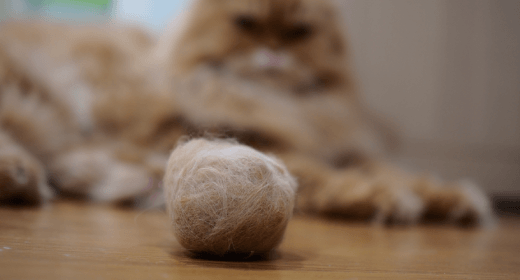
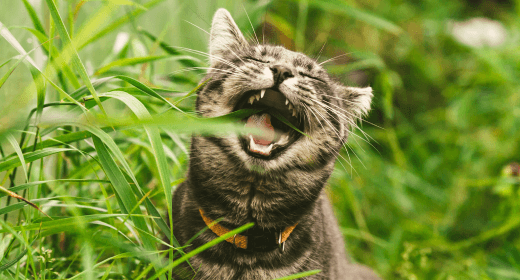
You love your cat. But the sight of watching your cat gag and cough up a hairball is anything but pleasant. Moreover, cat hairball can also cause intestinal blockages, which can lead to serious health issues for your cat. 
 

So, Is It Common For Cats To Cough-Up Hairballs?

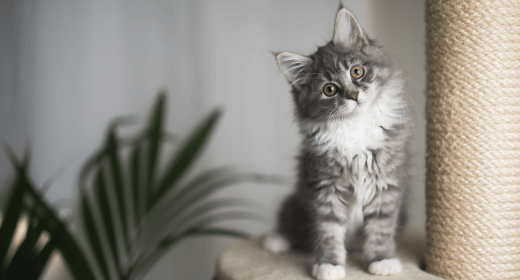
Cat furball is common, but its seriousness varies from cat to cat. Long-haired breeds, such as Maine Coons and Persians, are more susceptible to developing hairballs. Besides, hairballs are more common in cats who shed excessively or groom themselves obsessively because they swallow a lot of fur. 

In fact, you may have noticed that your cat didn't have hairballs when it was younger but developed the habit as it grew older. Cats become better groomers and even better at getting rid of fur from their coats with their tongues, resulting in more hairballs for you to clean up. It is this grooming behavior that is linked with the intake of fur.
 

How Can What A Cat Eats Help?

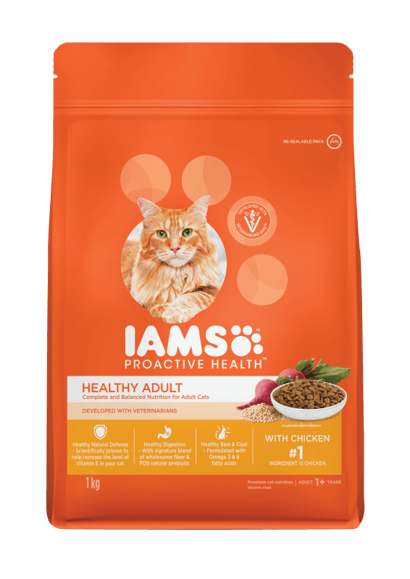
Diet can be important in hairball relief for several reasons. The fiber combination of powdered cellulose and beet pulp in IAMS™ hairball formulas help move hair through the digestive tract. IAMS research has shown that cats fed IAMS ProActive Health™ Adult Hairball Care pass 80% more hair in their feces than cats fed a leading premium dry cat food. By helping ingested hair to be passed from the digestive tract, IAMS hairball formulas help reduce the opportunities for hairballs to form. This fiber blend also includes a moderately fermentable component to promote intestinal health. High-quality, animal-based protein and fat, found in IAMS hairball formulas, provide important nutrients for skin and coat health. Maintaining skin and coat health may reduce the risk of excessive shedding, ingestion of hair from grooming, and, consequently, hairball formation.
 

Symptoms Of Hairballs In Cats

  • Lack Of Appetite

It's important to treat your cat's lack of appetite, as even a short period of time without food can have a significant influence on your cat's health. A decrease in appetite could suggest that your cat's hairballs have caused an intestinal blockage. It can also be an indication of a range of other issues. But regardless of the underlying cause, it is a problem that must be addressed as soon as possible.
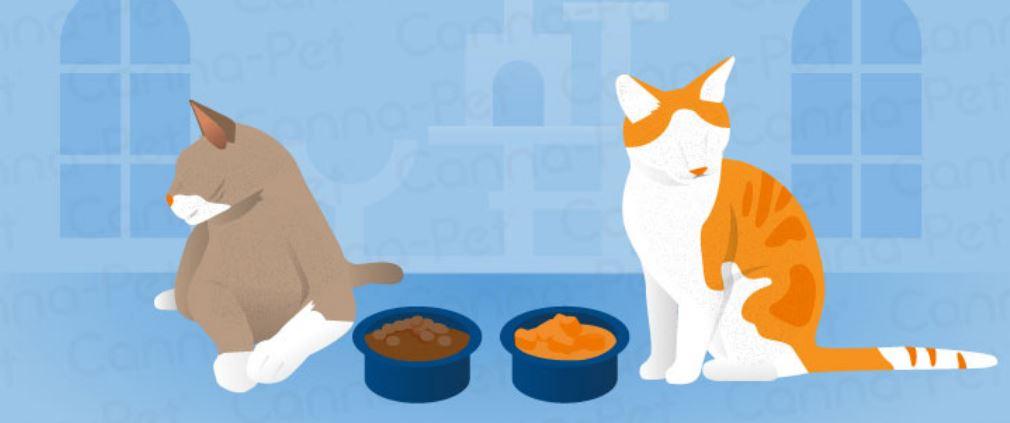
Lack Of Appetite
 

  • Lethargy

Fatigue and lethargy are also common signs of a range of health problems in cats. They can, however, arise in conjunction with intestinal clogs. If your cat appears lethargic or weak, it may have a hairball blockage and require medical attention.

Lethargy
 

  • Constipation

Keep a watch on your cat's litter box if they are vomiting hairballs frequently. Hairballs and constipation are both signs of a hazardous blockage that should be treated by an emergency veterinarian. Constipation in cats can be fatal on its own. Therefore, this is an issue that needs to be addressed correctly to ensure your cat is healthy.
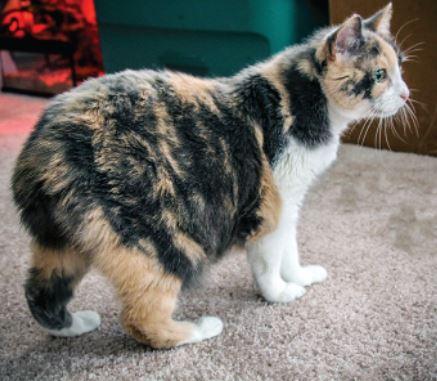
Constipation
 

  • Diarrhea 

This could indicate that something is extremely wrong with your cat's digestive system, especially if it happens frequently. Cats with frequent diarrhea can quickly get dehydrated, so make sure they're getting enough water. Try boosting their liquid intake with wet food until you can get them to the vet.
 

Treatment And Prevention Of Hairballs

  • Grooming Regularly 

If your cat is getting constant hairballs, then you should take your cat for regular grooming. The best way to overcome cat hairball issues is by brushing or combing their fur regularly. This way, less fur will wind up in their stomach as hairballs. It will also be a fun way for you to bond with your cat.
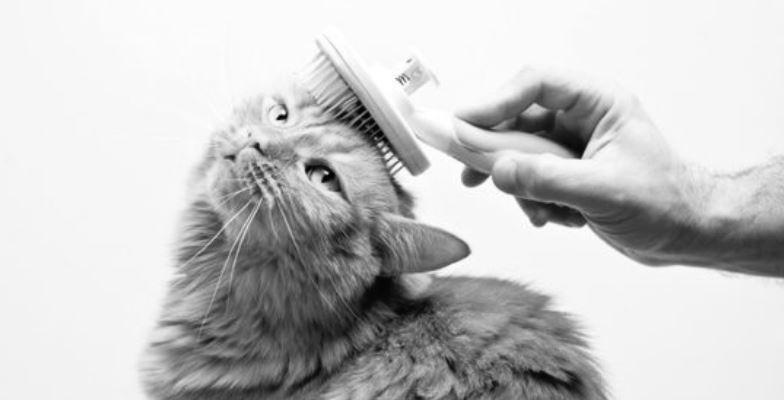
Grooming Regularly 
 

  • Specialized Hairball Food

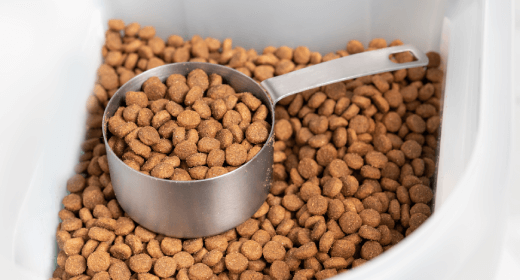
Hairball formula or cat food is another remedy to prevent cat hairball. Hairball-reduction cat diets are now available from any pet food company. These high-fiber compositions are meant to promote the health of your cat's coat, reduce shedding, and help hairballs move through the digestive tract in cats.
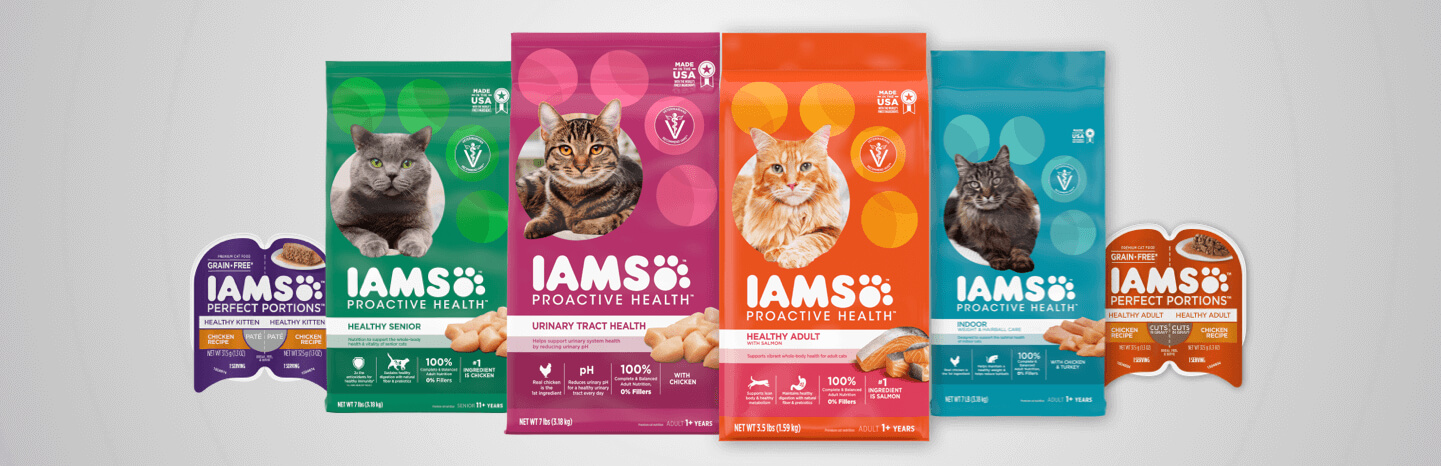
Specialized Hairball Food
 

Using Hairball Product Or Laxative

There are several cat hairball treatment products available on the market today. The best thing about them is that most of those laxatives are mild that aid in the easy passage of hairballs through the digestive tract.


 

FAQ On How To Care For Your Cats Hairball Issues

  1. Should I Worry About Cat Hairball?
  2. It is natural for a cat to throw up occasional hairballs. But you should only start to be concerned if your cat is coughing out a hairball every few weeks or for more than 48 hours at a stretch. This is a symptom of too much hair ending up in the gut.

  3. How Often Should Cats Have Hairballs?
  4. No matter how long their coat is, cats should only produce one hairball every week. Schedule an appointment with the veterinarian if your cat is vomiting hairballs more regularly or not eating.

  5. How Can I Help My Cat Pass A Hairball?
  6. You should feed your cat lots of prebiotics and natural fibers in its food to help it pass hairballs and maintain a healthy digestive tract. As a result, ensure that your cat is on a hairball-control diet and is getting enough fiber.

  7. How Long Does It Take A Cat To Pass A Hairball?
  8. Generally, the fur travels through the gastrointestinal tract undisturbed and emerges in a stool. The digestion process takes 7 to 12 hours. Sometimes the fur can also accumulate in the stomach and create a hairball. This takes a little longer, but healthy hairballs should be gone in 24 to 48 hours.

  9. Can Cat Hairballs Be Dangerous?
  10. Cat hairballs can be dangerous as they can cause severe blockages in their intestines and pose health issues later. In extreme cases, choking can also lead to death.

  11. What If The Cat Is Overweight Or Senior?
  12. Overweight cats have special nutritional needs in order to promote weight loss or weight management. Likewise, senior cats have special nutritional needs that are better met through a diet designed specifically for them. If an overweight or senior cat has problems with hairballs, feeding an IAMS hairball formula for indoor or senior (age 7+) cats is a great choice.

  13. Should IAMS Hairball Formulas Be Fed Exclusively?
  14. Yes. Mixing other foods with IAMS hairball formulas may compromise the effectiveness of this diet by diluting the nutrients that help reduce the risk of hairball formation. Switching between IAMS hairball formulas and another cat food may also decrease the benefit of feeding this diet.

  • Kitten Basics: How to Keep Your Kitten in Good Health
    Kitten Basics: How to Keep Your Kitten in Good Health-mob
    adp_description_block339
    The Complete Guide to Raising a Healthy Kitten: How to Take Care of Your Feline Friend

    • Share

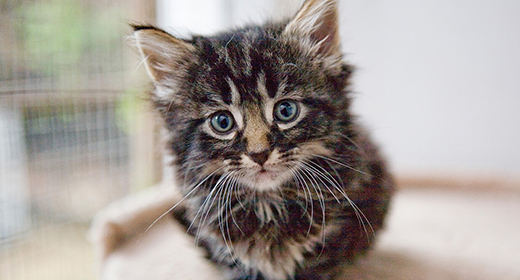
    A newborn cat brings endless love and laughter to any household. However, as a new kitten parent, it is important to understand that caring for a kitten is not just about feeding and playing with them. Kittens have specific dietary needs, and it is important to provide them with high-quality kitten food that meets their nutritional requirements. Regular grooming, vaccination, and preventive care are essential in keeping your kitten healthy and free from diseases. This guide will give you all the information you need to raise a healthy kitten and ensure that it grows into a happy and healthy adult cat.


    Requirements for keeping your kitten in good health

    1. Keep your kitten clean: Regular grooming and bathing will help keep your kitten's coat shiny and free of parasites. Use a mild shampoo and do not forget to dry its coat thoroughly after a bath. This will help remove dirt and debris from the coat and prevent skin infections.
    2. Provide adequate nutrients: Kittens have specific dietary needs, and it's essential to provide them with high-quality kitten food that meets their nutritional requirements. Kitten food is formulated to give them the essential cat nutrients they need during their growth stage.
    3. Provide socialization: Kittens are social creatures, and it's important to provide them with plenty of opportunities to interact with other cats and humans. This will help them develop their social skills and prevent any behavioural issues in the future.
    4. Take preventive measures against diseases: Regular visits to the vet, vaccinations and preventative care will help keep your kitten healthy and free from diseases. By staying up to date with your kitty’s vaccinations, you can keep serious and fatal diseases at bay.


    Kitten development milestones

    Check out the below table to understand how a cat develops with time:

    Age

    Milestone

    5 to 6 months old

    Sexual maturity

    8 months old

    Full set of adult teeth

    9 months old

    Comparable digestion ability to adult

    12 months old (female) and 18 months old (male)

    Reach adult body weight

    Between 10 to 12 months of age

    Energy requirements go down to adult levels

    Want to know how old your cat is in human years? Check out the below table and find out:

    Life stageCat ageCat age in human years
    Kitten0 to 1 month old0 to 1 years old
    2 months old2 years old
    3 months old4 years old
    4 months old6 years old
    5 months old8 years old
    6 months old10 years old
    Junior7 months old12 years old
    12 months old15 years old
    18 months old21 years old
    2 years old24 years old
    Adult3 years old28 years old
    4 years old32 years old
    5 years old36 years old
    6 years old40 years old
    Mature7 years old44 years old
    8 years old48 years old
    9 years old52 years old
    10 years old56 years old
    Senior11 years old60 years old
    12 years old64 years old
    13 years old68 years old
    14 years old72 years old
    Super senior15 years old76 years old
    16 years old80 years old
    17 years old84 years old
    18 years old88 years old
    19 years old92 years old
    20 years old96 years old
    21 years old100 years old
    22 years old104 years old
    23 years old108 years old
    24 years old112 years old
    25 years old116 years old

    Checklist for your kitten's body conditions


    1. Ears: Check for any signs of infection, such as redness or discharge
    2. Eyes: Look for any signs of discharge or cloudiness
    3. Nose: Check for any signs of discharge or congestion
    4. Mouth: Look for any signs of inflammation or infection
    5. Skin and Coat: Check for any signs of parasites, such as fleas or ticks
    6. Nails: Check for any signs of overgrowth or cracking
    7. Attitude: Look for any signs of lethargy or depression
    8. Digestion: Watch for any signs of constipation or diarrhoea
    9. Thirst: Make sure your kitten is drinking enough water

    In conclusion, raising a healthy kitten requires a lot of care and attention, but with the right knowledge and commitment, you can ensure that your kitten grows into a happy and healthy adult cat. Always consult your veterinarian for any questions or concerns, and don't hesitate to seek advice or guidance. With the right care and love, your kitten will bring you years of joy and companionship.

    Kitten Basics: How to Keep Your Kitten in Good Health
    Kitten Basics: How to Keep Your Kitten in Good Health
Close modal