Enter a keyword below to search for articles and products.
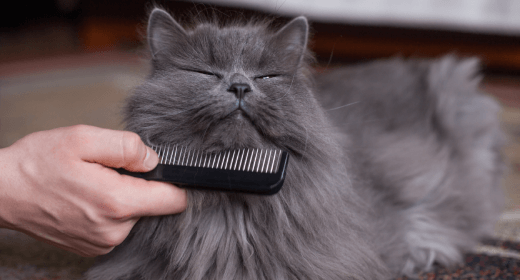
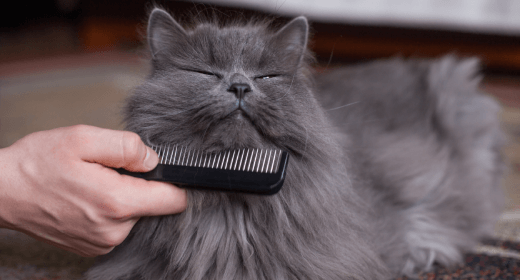
The appearance of your cat’s skin, coat, and fur are indicators of its health. A healthy coat is luscious, smooth, and shiny, not coarse or brittle. Healthy cat skin is soft, supple, and clear, not greasy, flaky, or bumpy. While your cat’s diet and nutrition fuel the shine on the outside, basic grooming will surely add an extra touch of beauty.
There is so much you can do as a pet parent to make sure that your feline’s skin and hair stay healthy. From feeding it the right foods to investing in appropriate products for your cat’s well-being, treating skin problems in cats is not that confusing. Keep reading to learn more about cat skin conditions and how you can keep your cat’s coat and skin healthy.
Since there are various cat breeds, several coat characteristics are considered to be healthy, such as:
Hairless coat (Sphynx cat)
Curly hair with minimal shedding (Rex cats)
Smooth coats with sparse undercoats (oriental breeds)
House or domestic cats with a regular outer coat of short hair and a soft layer of undercoat to provide additional insulation
Longhaired cats with silky smooth hair that knots easily
As the largest organ of the body, your feline’s skin health should always take priority. For most cats, their skin is mostly covered with hair that sheds and grows back throughout their lifetime. The best way to maintain your feline’s skin and hair health is by feeding a balanced diet that includes high-quality digestible proteins, fats, carbohydrates, vitamins, and minerals. This will help your cat consume enough calories to maintain its energy needs. In fact, this will also cause the liver and kidneys to work more efficiently to eliminate all waste products.
While there are many nutrients that you can include in your kitty’s diet, some stand out as essentials for your kitten’s skin and hair health. Omega-3 and omega-6 fatty acids are two nutrients that you should include in your cat’s diet without fail. Omega-3 fatty acids such as alpha-linolenic acid (ALA) and eicosapentaenoic acid (EPA) help maintain skin and coat health and help sustain the skin’s water permeability barrier. Omega-6 fatty acids such as linoleic acid and arachidonic acid ensure that the epithelial tissues stay healthy in your cat’s body.
You can decide your cat’s meal plans with your vet who can suggest the right foods according to your cat’s age. If you have not consulted a vet and notice that your cat’s coat has become dull, dry, and sheds excessively, make sure that you visit a professional and make appointments for regular checkups.
Vitamins should be an integral part of your cat’s diet and must be fed in the right proportions. Many important vitamins are found in the raw materials of your cat’s food and are synthesized from there, making a balanced and nutritious diet key to your feline’s good health. Here are a few vitamins that a cat must receive from its diet:
Vitamin A: A fat-soluble vitamin that is eminent for a strong immune system and healthy vision. However, large amounts of Vitamin A can be toxic for your cat. Make sure you consult a vet to know the right amount of dosage for this particular vitamin.
Vitamin C: Vitamin C is an antioxidant that helps heal wounds and helps cats use protein effectively.
Vitamin D: Vitamin D helps retain phosphorus and calcium in your cat’s body. It is also known as the “sunshine vitamin” as it helps the bones, muscles, and nerves function well.
Vitamin B1 (Thiamine): A water-soluble vitamin that is important for healthy metabolism, and maintenance of normal growth and nerve impulse transmission.
Vitamin B2 (Riboflavin): Vitamin B2 helps your cat’s body break down carbohydrates, fats, and proteins, to produce energy, and to let the body use oxygen. This vitamin also helps maintain your cat’s skin and coat health.
Vitamin B3 (Niacin): A water-soluble vitamin that is eliminated through your cat’s urine, this vitamin should be restored regularly in your feline’s body. It helps keep your kitty’s gastrointestinal functions, nervous system, and skin healthy.
Vitamin B6: This vitamin helps your cat’s body break down fats, proteins, and carbohydrates to produce energy and supply oxygen throughout the body.
Like vitamins, minerals are also essential for your cat’s body. They promote enzyme formation, oxygen supply, nutrient utilization, and pH balance. Here are some minerals that should be included in your cat’s diet:
Calcium
Iron
Sodium
Magnesium
Chloride
Consult a vet to know the right amount of vitamins and minerals your cat should be consuming to stay healthy.
Common cat skin conditions such as excessive scratching and licking, redness and swelling of the skin, loss of fur, scabby and flaky skin, and more are inevitable. What you can do is follow these steps to ensure that these skin problems in cats are kept at bay:
Ensure that you are feeding your cat the best diet food available. A balanced and nutritious diet will help it derive the most important vitamins and minerals to synthesize carbohydrates, fats, and protein. It will also help in maintaining your cat’s overall skin and coat health.’
Good grooming habits can really help your cat’s skin and coat health. While regularly brushing and combing your cat’s hair is a great way to bond, doing so will also prevent mats from developing. Mats can cause great discomfort for cats and can also cause hair loss and skin infections. Use a good grooming tool to ensure that your feline’s hair is combed with ease and there is no irritation or discomfort.
Shampooing your cat’s fur is not exactly common. Cats have a habit of self-grooming and they are not the most cooperative when it comes to baths. However, if your cat is itchy or just too dirty, it is best to use a shampoo that is formulated especially for cats. Ensure that you do not use any cat shampoo with tea tree oil since it is toxic to your feline’s skin and coat. If you do not know which shampoo to use, consult your vet to find out the ideal medicated shampoo for your cat.
Flea diseases are the most common skin problems in cats and should be treated immediately. Flea diseases can cause your cat to scratch and lick continuously, which can lead to wounds or partial baldness.
If you have a cat that is suffering from severe anxiety and stress, there will be signs. Excessive licking and grooming are signs that your cat is conscious and is acting out. This can cause a great amount of hair loss. Apart from appearance, stress and anxiety in cats can also induce serious health issues such as idiopathic feline lower urinary tract disease. If you notice your cat licking itself all the time, take it to a professional for a regular checkup.
Cat skin conditions are usually a sign of some imbalance in the body. If you have noticed that your furry pet has been having some skin troubles that are not getting resolved even after continued efforts, take it to a vet and rule out any serious conditions.
Feed your cat a balanced and nutritious diet and witness the results on its skin. Your cat’s appearance on the outside is a reflection of what’s going on inside. Make sure you include the right supplements (vitamins and minerals) in your cat’s diet.
Many vitamins such as vitamins A, B1, B2, B3, B6, C, and D are good for your cat’s skin.
You can improve your cat’s fur by feeding it good cat food, practicing good grooming habits, and keeping it free of any fleas.
You can consult your doctor if your cat has bad skin to diagnose the reason. Begin with basic steps such as feeding your kitty well, keeping it hydrated, and using the right grooming products and tools.
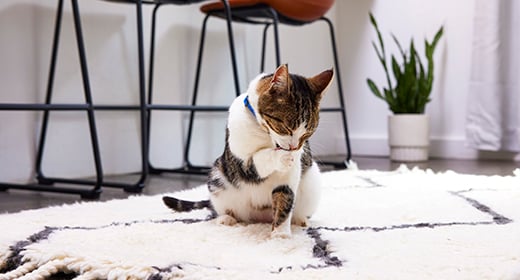
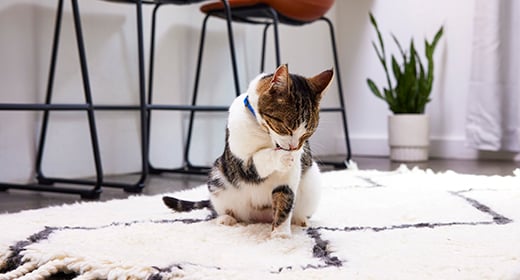
New cat parents often are unaware of the FVRCP vaccine and why it is essential to get their cats vaccinated for it. FVRCP vaccine stands for Feline Viral Rhinotracheitis, Calicivirus, and Panleukopenia, and it is one of the core vaccines recommended for all cats. Feline rhinotracheitis is an infection that causes flu-like symptoms in cats. While this infection is common in outdoor cats, it can find its way to indoor cats as well. Calicivirus develops mouth ulcers and inflammation while panleukopenia attacks the cat’s immune system, putting its life in lethal danger. Hence, protecting your indoor kitty from these harmful viruses is essential for maintaining their overall health.
That’s where the FVRCP vaccine for kittens and cats comes into picture. It protects our feline creatures from three life-threatening viruses – feline viral rhinotracheitis, calicivirus, and panleukopenia. But before you get your fur baby vaccinated, let’s take a look at some important information about FVRCP vaccines for cats.
Although we know the FVRCP vaccine is crucial for a cat’s well-being, it is also necessary to know when and how to get your kitty inoculated with this combination vaccine. Given below are some essential details related to the FVRCP vaccine for cats that every cat parent should know about:
FVR is caused by the FVH-1 virus. It is one of the most fatal infections that a cat can contract. The FVRCP vaccine is a core vaccine for preventing rhinotracheitis in cats. Feline viral rhinotracheitis is a highly infectious illness that causes symptoms ranging from sneezes and conjunctivitis to fever and lethargy. It spreads through bodily fluids like saliva as well as eyes and nose discharge of infected cats. If not detected and treated in time, FVR in cats can prove fatal. The FVRCP vaccine will ensure that your pet develops immunity against feline rhinotracheitis.
Like feline rhinotracheitis, feline calicivirus (FCV) is another deadly virus in cats. This virus typically attacks the cat’s respiratory tract and oral organs. Calicivirus symptoms can range from upper respiratory tract diseases to mouth ulcers and inflammations. If you observe any signs of calicivirus in your indoor cat, take it to the vet immediate as you should start medication at the earliest. However, it is always better to keep such daunting health issues at bay through vaccination, and the FVRCP vaccine acts as an effective preventive measure.
Abbreviated as FPV, feline panleukopenia is a highly contagious virus that attacks the immune system of cats. It presents symptoms like fever, vomiting, and anorexia. Unlike feline viral rhinotracheitis, which causes flu-like symptoms or calicivirus which causes mouth ulcers and eye infections, FPV attacks the bone marrow and the lymph nodes. And this further decreases the white blood cell count in cats. With FVRCP vaccination, you can prepare your purrfect pal to combat this deadly virus.
Core vaccines are a must for all cats as they equip our feline creatures to fight off some of the most infectious and fatal viruses. FVRCP vaccine is one such core preventive measure besides anti-rabies vaccine for cats. FVR, FCV, and FPV are some of the most contagious viruses that easily spread through the body fluids of infected animals. Vaccinating your kitty with FVRCP enables its body to prepare antigens against these fatal viruses. Hence, FVRCP is said to be one of the core vaccines for cats.
Kittens are inoculated with the FVRCP vaccine every three to four weeks between the ages of 16 to 20 weeks. Booster shots are needed to ensure that the cat’s immune system is completely ready to recognize the vaccine components. These jabs also ascertain that the kitten's immunity is strong enough to combat these four deadly viruses as they age. The kitty should receive a final dose of FVRCP after it turns a year old. Post this, you should revaccinate your feline friend every three years to keep its immunity intact. Please note, the FVRCP vaccine cost depends on the brand you choose to inoculate your pet.
However, before scheduling an appointment for FVRCP vaccination, you must ask the following questions to your veterinarian.
What are the side effects of FVRCP and how soon do they wear off?
How to care for the kitty post-vaccination?
How many booster shots will the kitty need based on its lifestyle, age, and breed?
FVRCP vaccine cost.
The FVRCP vaccine might cause some discomfort and minor side effects. While minor symptoms are common, it is best to visit the veterinarian if you notice any extreme signs of discomfort. Given below are a few of the most common side effects of this vaccine.
Redness or swelling at the injected site
Low-grade fever
Low appetite
Some cats might develop an allergic reaction to the FVRCP vaccine. If you notice your kitty vomiting, itching, or suffering from diarrhea, you must consult the doctor at the earliest.