IAMS PH
Your Cat's Health from 1 to 8 Years

adp_description_block99
A Comprehensive Cat Care Guide

  • Share

Cats are said to be one of the most intelligent creatures on this planet. They are the ideal embodiment of agility, mobility, speed, and grace. However, between ages 1 to 8, cats go through numerous transitions, equivalent to a teenager transitioning to middle age. As a caregiver, you need to ensure that you provide your cat with everything it needs to stay healthy – rich sources of nutrition, freshwater, etc. A cat's health needs to be monitored closely and any abnormalities should be reported to the vet. In fact, pet parents should care for their cat right from its kitten stage. It will help you keep any older cat health problems at bay in the long run. If you are unaware of how to care for cats between ages one to eight, read on. We made a list of everything that you need to know about caring for a cat!
 

Ways to maintain cat health

As a first-time pet parent, it can be difficult to navigate your way through your cat’s needs and wants. Here are a few things you must ensure to keep your cat healthy:

  1. Brush your cat every day

    Cats have a habit of licking their fur to groom themselves. This results in the production of hairballs in their system. Brushing or combing your cat daily can help reduce the number of hairballs in its digestive tract. This is a simple way to make grooming easy for your feline friend and help keep its system clean. 

  2. Provide sufficient food and water

    Cats are carnivores, they rely on meat as their primary source of nutrition. Pet parents must remember to include meat in their cat’s diet. Avoid feeding dry food in large quantities, as it can have a negative impact on your cat’s health. Cats derive most of their water intake from the food that they consume. Canned foods contain almost 78% water, whereas dry food contains only 5% to 10% water. So, too much dry food or only dry food can leave your cat dehydrated. And dehydration is one of the leading causes of older cat health problems. So, keep your cat nourished and hydrated at all times. 

    At IAMS™, our range of wet cat food not only contains high-moisture levels but also proteins, vitamins, and minerals. We make sure that your cat receives all the right nutrients to have a shiny coat and healthy immune system.

  3. Place multiple litter boxes for your cat

    As far as litter boxes go, every cat should have its own. It is also advised for pet parents to keep an additional box for emergency situations. Furthermore, placing litter boxes at the right location is also important. People usually place litter boxes under their furniture, in the basement, or in dark corners. Cats may not always be comfortable with such settings. They prefer having an eye on their surroundings while doing the business. So, if you notice that your cat is not using the litter box, try changing its location.

  4. Figure out why your cat is peeing outside the litter box

    It is frustrating when your cat does not use the litter box and dirties other areas of your home. The best way to resolve this issue is by finding out why it is doing so. First, take your cat to the vet to rule out any cat health problems like urinary tract infections. If illnesses are not the root cause, try changing the location as well as the litter box.

  5. Train your cat to use a scratching post

    Another issue that pet parents face is their cat scratching different surfaces or ripping home decor fabric to shreds. Scratching is an instinctive behavior for cats.  They do so to express different emotions. Many cat parents are oblivious to the fact that their pet needs a scratching post. Place it in a spot where your cat can easily notice it. You can also sprinkle some catnip on the post to attract your cat.

  6. Spay or neuter your cat

    Neutering or spaying your cat is beneficial in multiple ways. Cats generally get aggressive as they go into heat. Female cats are very uncomfortable during this period and unneutered male cats tend to fight with each other. These fights can also result in the transmission of diseases through scratches and bites. Other than that, female cats can conceive at just four months of age, and raising a kindle of kittens can be stressful.

  7. Most common cat health issues

     If you are a new cat parent, you must keep an eye out for common cat health issues. Going for routine health check-ups is highly recommended so that you can spot any early signs of kitten health problems.

  8. Vomiting

    Vomiting is one of the most common cat health issues and it can happen due to many reasons. Your cat can vomit because of hairballs, eating something inedible, diabetes, urinary tract infection, etc. If you notice your cat heaving abdominally or drooling, take it to the vet immediately.

  9. Fleas

    Fleas bother almost all furry pets and are a common cat health problem. Fortunately, this is a problem that can be treated easily. Look out for signs such as:

    • Hair loss

    • Skin infections

    • Excessive scratching and itching

    • Frequent licking 

    Regardless of any signs, pet parents are recommended to get their cats checked for fleas regularly.

  10. Feline Lower Urinary Tract Disease (FLUTD)

    Female and male cats who are unfit, overweight, or consume a lot of dry food tend to get FLUTD. Co-existing with multiple cats, sudden lifestyle changes, and stress can also influence the occurrence of this disease. Here are a few symptoms that cat parents can look out for:

    • Dehydration

    • Loss of appetite

    • Frequent vomiting

    • Visible discomfort while urinating

    • Licking around the genitalia

    • Blood in their urine

    • Urinating outside the litter box

    Your vet can recommend the right treatment according to the type of FLUTD your cat has.

  11. Eye problems

    Eye problems can occur because of many reasons such as glaucoma, cataracts, conjunctivitis, inflammation, different viruses, retinal diseases, and trauma. Symptoms that suggest eye problems include watery eyes, red eyes, gunk deposits in one or both eyes, cloudiness, white or red lining, and squinting. The best you can do is wipe off any dirt or gunk from your cat’s eyes and take it to the vet.

  12. Diarrhea

    Eating spoiled foods, liver diseases, cancer, infection, The most common positive sign of great health in cats is grooming. In fact, they might even attempt to groom other pets or you. If you notice your cat licking you, that means it is trying to groom you, suggesting that they feel comfortable around you and trust you.and other health issues can cause diarrhea in cats. Common symptoms of diarrhea are watery or loose stools. This condition can last for days, weeks, or months, depending on the cause. If your cat is suffering from this condition, make sure you provide it with a lot of fresh water and take it to the vet. 


Signs of a healthy cat

You now know how to provide and care for your cat, and what problematic signs you need to look out for. Now let’s explore the signs of good cat health:

  1. Good grooming:

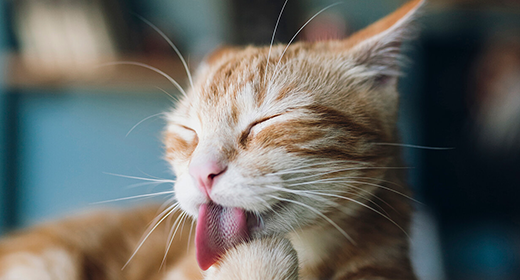
    The most common positive sign of great health in cats is grooming. In fact, they might even attempt to groom other pets or you. If you notice your cat licking you, that means it is trying to groom you, suggesting that they feel comfortable around you and trust you.
  2. Purrs:

    If you can describe your cat as a pet who purrs a lot, rest assured that your feline friend is happy and content with its life. Cats tend to purr when they receive back scratches while some cats may purr generally, indicating that they are happy and at peace.
  3. Relaxed and comfortable:

    A cat that is always on alert will have its back arched and ears flattened. Happy cats, on the other hand, can be spotted relaxing and sleeping. Certain positions like sitting with their paws tucked in and eyes almost closed tell us that they are at ease.
  4. Dilated eyes:

    Cats dilate their eyes suddenly when they are happy. Some people presume that they do this just before becoming aggressive, but that is not the case.
  5. Lifted/twitchy tail:

    Just like dogs, you can tell a lot about a cat from its tail. When a cat feels confident, it will hold its tail high and twitch the top when it is happy.
  6. Good appetite:

    A hungry cat is a happy cat! If your cat eats well, gets excited about meals, rubs against your legs, and guides you to where you store its food, it means that it is excited about its meals and has a good appetite.
  7. Sound sleep:

    Cats are known for their naps. They can sleep anywhere, anytime, indicating that they are happy. If your cat likes sleeping on you or near you, it means that they trust you.
  8. Playful attitude:

    Playful pets are happy pets. A playful cat loves to run and jump around, or play with toys as well as their pet parents. This suggests that it likes its surroundings and has bonded with its caregivers.

  9. Forward-facing ears:

    If your cat has forward-facing ears, it is a good sign because it signals that it is receptive. Upset cats tend to fold their ears against their head.

Frequently asked questions

  1. What are the 5 signs of a healthy cat?
  2. Here are 5 signs of good cat health:

    • Purring
    • Lifted tail
    • Playful nature
    • Healthy sleep habits

  3. What health issues can cats have?
  4. Here are some common cat health issues:

    • Vomiting
    • Loose stools
    • Crying while peeing
    • Eye abnormalities

  5. How can I help my cat get healthy?
  6. If you want to maintain your cat’s health, take your pet to the vet regularly for an annual medical examination. Along with periodic health check-up, ensure that you:

    • Give your cat meat-based meals
    • Provide freshwater
    • Allow easy access to litter boxes

  7. How can I check my cat’s health?
  8. To monitor your cat’s health, look for signs of illnesses like vomiting, diarrhea, and problems during urination. These symptoms suggest that your cat might be falling sick. Signs such as good sleep, healthy appetite, and a playful attitude suggest that your cat is healthy.


  • Feeding Guidelines for Your Cat
    Feeding Guidelines for Your Cat
    adp_description_block375
    Feeding Guidelines For Your Cat

    • Share

    How can you make sure you’re feeding your cat the right food at the right time and in the right quantities? If you’re choosing new cat food, deciding on a feeding schedule, concerned about a food-related health condition, or wondering about supplements or treats, check out our feeding guidelines for cats.
     

    Cats are obligate carnivores, and this means that they cannot survive solely on a plant-based diet as they won’t get all the required nutrients from it. To stay healthy and survive, cats require at least 70% of the nutrients found in animal meat. So, your cat’s diet and choice of food should be prepared accordingly. To start off, you can begin by making a feeding plan for your cats to ensure they get the nutrition they require.
     

    How do I make a feeding plan for my cat?

    You can divide your cat’s daily diet into two main meals which are spaced no more than 12 hours apart. Alternatively, you can divide the food into multiple meals such as breakfast, lunch, and dinner. However, do ensure that these meals provide the cat with enough calories and other nutrients - not more or less than recommended.
     

    How to identify my cat’s feeding habits?

    Once your cats are set on a regular feeding schedule, you will slowly begin noticing their usual feeding habits. Habits such as playing with their food, eating alone, and hoarding food are quite normal for cats. So, if you notice any of these, you don’t have to be worried. A few habits that you may have to be mindful of are:

    • Not eating all the served food (served as per regular amount)
    • Sudden gain in weight
    • Cat going more than 24 hours without eating

    If you notice your cat showing either of these habits, book an appointment with your vet as soon as possible.


    How do I pick which food to feed my cat?

    Before making a meal plan for your cat, it is important to understand which pet food is right for them. This is because there are a few factors upon which your cat’s basic calorie and nutrient intake depend. While a vet can help you with a detailed cat feeding guide, here is a quick look at factors that you need to keep in mind.

    1. Life stage

      Life stage refers to the cat’s age - is your pet a kitten, an adult or a senior cat? Cats need the most amount of calorie intake when they are young kittens for proper growth. After 10 months of age, cats can be switched to a diet consisting of adult cat food. This diet can be continued even after your feline friend crosses 11 years of age, which is when cats begin to be considered seniors.
       
    2. Lifestyle

      Lifestyle refers to how active your cat normally is. Cats who stay active and agile need more calories than cats who prefer to be idle.
       
    3. Body condition

      Body condition concerns the animal’s overall health and body weight. For a cat who is overweight, you need to prepare a diet that is low on calories. With regards to the overall health condition, if your cat is facing any kind of ailments, their food intake may change or need to be changed. Your vet will advise you on what foods your pet may need to consume or avoid. They may also suggest changes in the cat’s feeding guidelines per the animal’s unique health requirements.
       
    4. Breed size

      Cats that are naturally larger in size need more calories than their smaller counterparts.
       
    5. Reproductive status

      Spayed and neutered cats usually have reduced metabolic rates and, hence, require fewer calories. Pregnant cats will naturally need more food than other cats.
       

    How often should I feed my cat?

    A practical guideline to follow is that kittens should be fed three times a day from weaning (three to six weeks) right up to four months of age. After four months, they should be fed twice a day. Most cats should continue to be fed twice a day throughout their life, although some pets do well with one feeding.
     

    How much should I give my cat to eat?

    The amount to feed your cat depends on your pet’s age, size and activity level. Feeding guidelines, which list the daily-recommended portion, are included on all IAMS™ packages. Start feeding with this amount and adjust according to your pet’s needs. Remember to divide the portion accordingly if you feed more than once a day. 
     

    What is the best way to introduce a new diet to my cat?

    When changing your cat’s diet, it’s important to introduce the new food slowly. Start by offering your cat’s daily portion in a ratio of 25% new food to 75% old food. During the next three days, gradually increase the amount of new food and decrease the amount of old.
     

    Cat feeding guide for wet and dry food

    Once you have understood your own cats’ feeding guide based on age and other factors, it is important to figure out what kind of food to pick - wet or dry. Both these types of foods have their unique benefits, and each one can prove necessary for different stages of a cat’s life to fulfil nutritional requirements. Since each of these types of food finds its place in a cat’s feeding guidelines, let’s take a closer look.
     

    Benefits of wet food for cats

    Wet food is an excellent treat that can be fed alone or mixed with dry food. Wet food is good for cats for the following reasons:

    • Ensures that cats stay hydrated
    • Keeps their urinary health in check
    • Has a delicious taste that cats love
    • Comes with more variations than dry food


    Benefits of dry food for cats

    Dry food comprises kibbles made with ingredients that are generally preferred by cats. Dry food is easier to use to feed cats and can be given with a food dispenser. This type of food also has a longer shelf life. Here are some more benefits of dry food for your feline friend.

    • Serves as a grazing snack to have in between meals
    • The crunchy texture of dry food also promotes healthy teeth and gums and provides overall good oral hygiene


    Is it necessary to feed both wet and dry food?

    Although our wet cat foods are nutritionally complete and balanced for a cat’s diet, it is not necessary to offer wet food at every feeding. Our dry foods are formulated with high-quality protein sources such as chicken, lamb or fish and contain all the essential nutrients pets need.

    You can also consult your vet regarding your cat’s feeding guidelines, and they will make changes if necessary. Also, it is best to consult your vet before making any major changes in your cat’s meals, like adding or switching to raw food diet for cats. Your vet may conduct a nutritional evaluation of your cat to determine what food they require. 


    Will my cat be bored eating the same food all the time?

    No — boredom with food is a human trait. Cats are creatures of habit and usually are content with just one food. Cats generally eat to meet their energy or nutritional needs. They have very short digestive systems, and if their diet is abruptly or constantly changed, digestive disturbances can occur. Also, constant changes can make your pet a finicky eater.


    Is it ok to moisten dry food?

    Adding water will not change the nutritional value of dry cat food. However, once moisture is added the food should be eaten relatively soon, and any uneaten portion should be discarded to avoid spoilage. Feeding your cat dry food is usually encouraged because of the benefit to your cat’s dental health. 


    Will it hurt cats or dogs if they eat each other’s food?

    Cats and dogs have different nutritional requirements and should not eat each other’s food. For example, cats require a much higher level of taurine in their diet. An occasional venture into each other’s bowls will not be harmful but is not recommended on a regular basis.


    Can I supplement your pet foods with vitamins, minerals, oils, etc.?

    Our foods are nutritionally complete and balanced. Adding vitamins, minerals or oils can offset the balance the food provides. One of the benefits of feeding a high-quality product is that it has been carefully balanced in proper ratios to provide optimal nutrition, so nothing needs to be added.


    How can I learn more about pet nutrition?

    Contact the IAMS Pet Care and Nutrition Specialists toll-free at 1-800-675-3849.

Close modal