Enter a keyword below to search for articles and products.
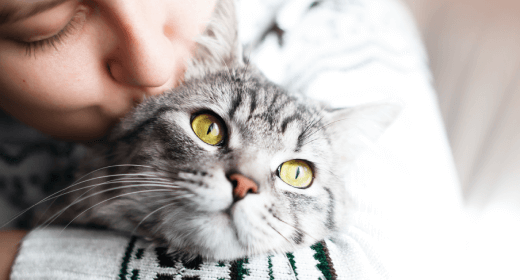
Cats are said to be one of the most intelligent creatures on this planet. They are the ideal embodiment of agility, mobility, speed, and grace. However, between ages 1 to 8, cats go through numerous transitions, equivalent to a teenager transitioning to middle age. As a caregiver, you need to ensure that you provide your cat with everything it needs to stay healthy – rich sources of nutrition, freshwater, etc. A cat's health needs to be monitored closely and any abnormalities should be reported to the vet. In fact, pet parents should care for their cat right from its kitten stage. It will help you keep any older cat health problems at bay in the long run. If you are unaware of how to care for cats between ages one to eight, read on. We made a list of everything that you need to know about caring for a cat!
As a first-time pet parent, it can be difficult to navigate your way through your cat’s needs and wants. Here are a few things you must ensure to keep your cat healthy:
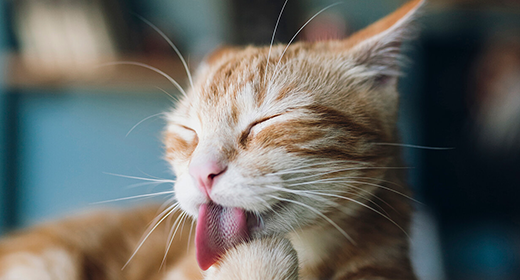
Cats have a habit of licking their fur to groom themselves. This results in the production of hairballs in their system. Brushing or combing your cat daily can help reduce the number of hairballs in its digestive tract. This is a simple way to make grooming easy for your feline friend and help keep its system clean.
Cats are carnivores, they rely on meat as their primary source of nutrition. Pet parents must remember to include meat in their cat’s diet. Avoid feeding dry food in large quantities, as it can have a negative impact on your cat’s health. Cats derive most of their water intake from the food that they consume. Canned foods contain almost 78% water, whereas dry food contains only 5% to 10% water. So, too much dry food or only dry food can leave your cat dehydrated. And dehydration is one of the leading causes of older cat health problems. So, keep your cat nourished and hydrated at all times.
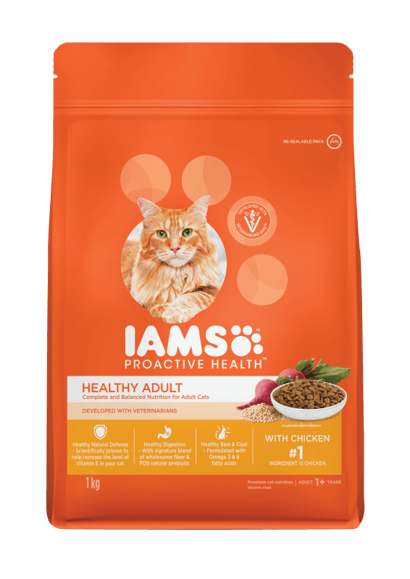
At IAMS™, our range of wet cat food not only contains high-moisture levels but also proteins, vitamins, and minerals. We make sure that your cat receives all the right nutrients to have a shiny coat and healthy immune system.
As far as litter boxes go, every cat should have its own. It is also advised for pet parents to keep an additional box for emergency situations. Furthermore, placing litter boxes at the right location is also important. People usually place litter boxes under their furniture, in the basement, or in dark corners. Cats may not always be comfortable with such settings. They prefer having an eye on their surroundings while doing the business. So, if you notice that your cat is not using the litter box, try changing its location.
It is frustrating when your cat does not use the litter box and dirties other areas of your home. The best way to resolve this issue is by finding out why it is doing so. First, take your cat to the vet to rule out any cat health problems like urinary tract infections. If illnesses are not the root cause, try changing the location as well as the litter box.
Another issue that pet parents face is their cat scratching different surfaces or ripping home decor fabric to shreds. Scratching is an instinctive behavior for cats. They do so to express different emotions. Many cat parents are oblivious to the fact that their pet needs a scratching post. Place it in a spot where your cat can easily notice it. You can also sprinkle some catnip on the post to attract your cat.
Neutering or spaying your cat is beneficial in multiple ways. Cats generally get aggressive as they go into heat. Female cats are very uncomfortable during this period and unneutered male cats tend to fight with each other. These fights can also result in the transmission of diseases through scratches and bites. Other than that, female cats can conceive at just four months of age, and raising a kindle of kittens can be stressful.
If you are a new cat parent, you must keep an eye out for common cat health issues. Going for routine health check-ups is highly recommended so that you can spot any early signs of kitten health problems.
Vomiting is one of the most common cat health issues and it can happen due to many reasons. Your cat can vomit because of hairballs, eating something inedible, diabetes, urinary tract infection, etc. If you notice your cat heaving abdominally or drooling, take it to the vet immediately.
Fleas bother almost all furry pets and are a common cat health problem. Fortunately, this is a problem that can be treated easily. Look out for signs such as:
Hair loss
Skin infections
Excessive scratching and itching
Frequent licking
Regardless of any signs, pet parents are recommended to get their cats checked for fleas regularly.
Female and male cats who are unfit, overweight, or consume a lot of dry food tend to get FLUTD. Co-existing with multiple cats, sudden lifestyle changes, and stress can also influence the occurrence of this disease. Here are a few symptoms that cat parents can look out for:
Dehydration
Loss of appetite
Frequent vomiting
Visible discomfort while urinating
Licking around the genitalia
Blood in their urine
Urinating outside the litter box
Your vet can recommend the right treatment according to the type of FLUTD your cat has.
Eye problems can occur because of many reasons such as glaucoma, cataracts, conjunctivitis, inflammation, different viruses, retinal diseases, and trauma. Symptoms that suggest eye problems include watery eyes, red eyes, gunk deposits in one or both eyes, cloudiness, white or red lining, and squinting. The best you can do is wipe off any dirt or gunk from your cat’s eyes and take it to the vet.
Eating spoiled foods, liver diseases, cancer, infection, The most common positive sign of great health in cats is grooming. In fact, they might even attempt to groom other pets or you. If you notice your cat licking you, that means it is trying to groom you, suggesting that they feel comfortable around you and trust you.and other health issues can cause diarrhea in cats. Common symptoms of diarrhea are watery or loose stools. This condition can last for days, weeks, or months, depending on the cause. If your cat is suffering from this condition, make sure you provide it with a lot of fresh water and take it to the vet.
You now know how to provide and care for your cat, and what problematic signs you need to look out for. Now let’s explore the signs of good cat health:
Playful pets are happy pets. A playful cat loves to run and jump around, or play with toys as well as their pet parents. This suggests that it likes its surroundings and has bonded with its caregivers.
Here are 5 signs of good cat health:
Here are some common cat health issues:
If you want to maintain your cat’s health, take your pet to the vet regularly for an annual medical examination. Along with periodic health check-up, ensure that you:
To monitor your cat’s health, look for signs of illnesses like vomiting, diarrhea, and problems during urination. These symptoms suggest that your cat might be falling sick. Signs such as good sleep, healthy appetite, and a playful attitude suggest that your cat is healthy.
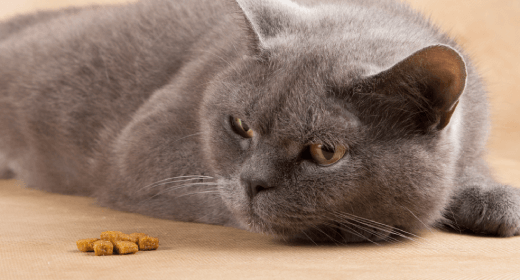
Cats are known to be finicky and picky about a lot of things. Their pickiness in terms of toys and activities is fine and completely natural; if it extends to their eating, things could get a little concerning. If your cat is a picky eater, you can try a few remedies such as serving them different food items. If they still turn away from the food served, you should consult a vet. However, before drawing any conclusions, it is necessary to understand that it is in a cat’s nature to be fussy. And while your feline friend may be stubborn initially, they tend to adapt to a set routine eventually. So, here is a brief guide to help you better understand your cat’s pickiness about food.
There are certain reasons why your cat turns from the food served. This behaviour may not necessarily indicate that your cat is a finicky eater.
If your cat is refusing to eat food served to them, it is possible that they are not hungry. Some possible reasons for this could be that they have been munching throughout the day and have had a lot of treats. If your cat does roam around outdoors by themselves, it is entirely possible that they switched to their hunting instincts and caught prey.
If you notice your cat has not eaten in more than 24 hours, it might be a sign of an underlying weakness and it is best to consult a vet in this matter.
Improper routine
Despite being finicky, cats are creatures who thrive on routine. So, when it comes to their daily feeding, it is best to establish a routine and stick to it. If your cat is not served meals at regular times, they may refuse to eat.
If you have not cleaned your cat’s serving plate before pouring in their food, they may not enjoy the meal. Cats may refuse to eat out of a soiled bowl or plate, so ensure that your pet’s serving dish is always clean.
A lot of cats tend to enjoy eating alone. They do not like consuming meals in the presence of others or being the centre of attention during meal times.
If your cat starts eating less, you may want to look for a factor that could be causing stress. Has another animal been added to the household? Has a family member left or died? Have the cat's surroundings changed, such as a move to a new house? When the stress is removed, your cat will probably go back to a normal diet. If your cat seems healthy, happy, and lively, and has a good coat and clear eyes, there is little cause for concern. Cats also have an uncanny ability to smell changes in the world around them. Even a new bowl can disturb a cat's eating habits. Some cats refuse to eat from plastic or hard rubber bowls.
Medical factors also could contribute to a change in your cat’s eating habits. The only way to verify this is to visit a veterinarian. If the medical examination does not verify that a problem exists, your cat may be manipulating you in grand style!
If your cat is a picky eater and it’s tough to get them to finish a meal, here are some tips you could try:
Heat wet food before serving
Cats have a strong sense of smell and enjoy food by its aroma. If the wet food you served them has gone cold, it may not give off the aroma that cats love. So, heating the meal a little may help.
Clean the serving dish/bowl
Since cats have a strong sense of smell, they will know if their serving bowl is unclean. If so, it can quickly kill their appetite and they may turn away from the food. So, ensure that you always serve meals to your cat in a clean dish/bowl.
Add chicken broth/tuna water/cat oil to their food
Try to entice your cat to eat food by adding a little amount of warm chicken broth, tuna water, or cat oil to the meal. This will significantly improve the smell of the food for the cats. However, do be sure to never serve anything containing onions, chives, or garlic, as these ingredients can be harmful to a cat.
Try different foods
If your cat is still refusing to eat, it may be time to change the food. You may have to try a different product and hope your pet likes the new one.
If despite trying everything your cat still won’t eat, it is time to consult your vet. Also, if your cat has gone more than 24 hours without eating anything, you should visit the vet immediately as your pet could be ill.
If your cat is set on a routine that needs to be changed, make the change slowly and gradually. Your cat may not like a sudden switch in things and can continue to refuse to eat. If you wish to switch your fur baby over to different food, start off by mixing a little quantity of the new food with their current food, over the span of a few days. Gradually, increase the quantity of the new food item until it is the only thing being served.
Switching to a new cat food can be tough. IAMS™ recognises that caring cat owners want to have the option of feeding their pet a more varied diet. IAMS cat foods offer a number of nutritional choices for your cat, including dry and canned foods, naturally preserved diets, and options for overweight cats or cats with reduced activity levels. All IAMS™ cat foods are complete and balanced for specific lifestyles and life stages. Consult your veterinarian or a Pet Professional at The IAMS Company to discuss the best selection for your cat.
Here are some more things you need to keep in mind as a cat parent.
Make sure that your cat has a quiet, comfortable place to eat.
And remember, your cat needs to visit the veterinarian regularly. Regular visits help keep your cat happy and healthy!