Enter a keyword below to search for articles and products.
Why move your nearly grown kitten to a premium adult cat food? Because quality counts. It's crucial to continue the superb nutrition she's been getting from a premium kitten food into adulthood. Downgrading to a basic nutrition brand at this stage of her life may upset her digestive system and certainly won't provide her with the same type of nutrition she was raised on.
Think of a baby. When it's time to start giving him solid food, you wouldn't feed your child anything less than the best nutrition you can buy. The same is true for your maturing kitten. She needs the best age-appropriate food there is to help maintain overall health. Premium foods such as IAMS are formulated to meet all her needs and provide additional benefits.
They're specifically designed to provide your cat with a formula that features:
High-quality ingredients
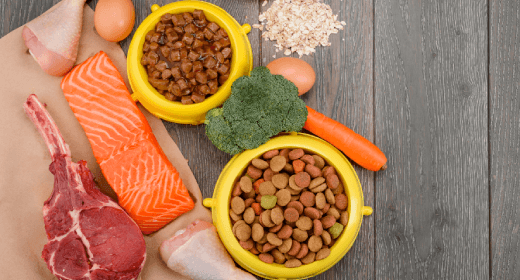
Balanced, optimal levels of protein, fat, moderately fermentable fiber, carbohydrates, vitamins, and minerals, which make costly supplements unnecessary
High-quality recipes and great taste
Standards that meet or exceed Association of American Feed Control Officials standards
Nutrient-dense formulas that are right for each life stage
Product guarantees
What do all of these features add up to? A happy, healthy cat. With premium cat food, you can expect to see these important indicators of good health. They contribute to providing your cat with a long, healthy life:
Exceptional muscle tone
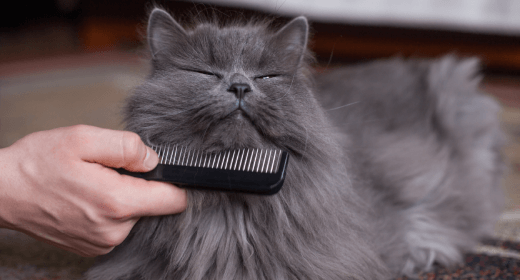
A shiny, luxurious coat
Healthy skin and bones
Clear, bright eyes and clean teeth
Small, firm stools
Founded upon decades of research, premium formulas from IAMS help maintain your cat's health and help provide him with the nutrition he needs for a long life. Generic brands simply may not match the level of expertise that goes into every bag of IAMS cat food.
When your cat is about 12 months of age, it's time to change her diet to a premium maintenance formula. When you transition your cat to an adult diet, it's important to monitor her weight and body condition and adjust portions if necessary.
Because cats generally eat only what they need, free-choice feeding is adequate for most cats. (Free-choice makes food available to your cat around the clock and lets her eat when and how much she needs.) Indoor cats that don't get much exercise, however, may overeat if fed free-choice. For them, portion-controlled feeding twice a day is a better routine.
To determine how much food to give your cat, check the recommendations of the pet food manufacturer on the label. Use the guidelines and weigh your cat on a weekly basis. If your cat is gaining or losing weight and shouldn't be, slightly adjust her daily intake and weigh her again the following week.
To avoid intestinal upsets, make the change from a kitten formula to an adult diet over a period of four days with the following method:
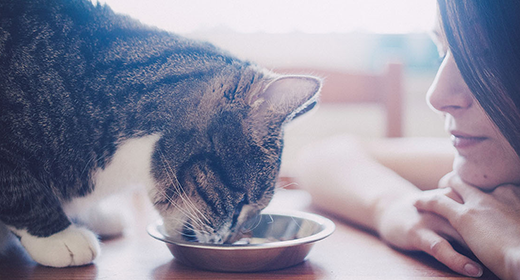
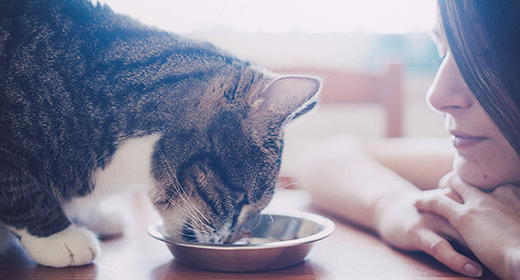
Day One: Fill your cat's dish with 75% kitten food and 25% adult food.
Day Two: Mix adult and kitten food in a 50/50 ratio.
Day Three: Feed your cat a mixture that's 75% adult food and 25% kitten food.
Day Four: Switch to 100% adult formula.
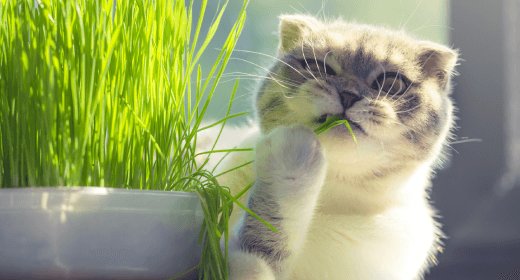
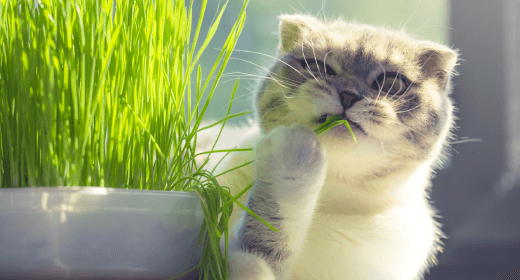
A cat’s diet largely includes other smaller animals as they are carnivorous. However, most cats avoid consuming the animal’s intestinal tract which contains most fiber. This can lead to a lack of fiber in the cat’s diet. But do cats need fiber? Yes. Lack of fiber can result in irregular bowel movement, digestive issues, and other similar health concerns.
Cats often munch on green grass and leaves to ease constipation. However, they might resist including fiber in their daily meal and only rely on it when ill. But, to ensure your cat’s best physical well-being, you should choose fiber-rich food for cats.
Fiber-rich cat food is essential as it helps in maintaining their digestive health. Thus, pet parents should try to include the necessary amount of fiber in their kitty’s diet. It will help maintain their digestive health and overall well-being. Cat food fiber can be classified based on its solubility.
While choosing cat food with fiber, you should make sure it includes both soluble and insoluble fiber. Besides, the cat’s gut bacteria can break down both soluble and insoluble fiber to produce new compound that helps in nourishing their colon cells.
Fiber-rich cat food contains prebiotics, which means they also contain good bacteria that are necessary for a healthy intestine. So, as a cat parent, you should invest in high-quality cat food with fiber to keep your little fur baby’s gut health in check. However, how much fiber does a cat require??
Although fiber is essential for cats, they require it in limited quantities. Too much fiber can risk restricting absorption of nutrients in their body, whereas too little can lead to poor digestive health. The appropriate quantity of fiber for cats is between 1.4 to 3.5% of their daily calorie intake.
Planning to include cat food with fiber in your kitty’s daily diet? Consider adding the following food options to their meal to increase fiber content in your fur baby’s diet.
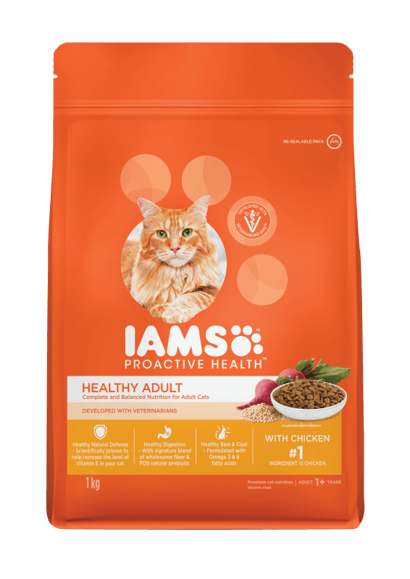
Besides relying on the above-mentioned plant-based and animal-based fiber, you can also buy IAMS high-fiber cat food to ensure that your kitty gets the right amount of fiber in its meal. IAMS high-fiber cat food such as IAMS ProActive Health Adult Original with Chicken contains a moderate quantity of fermentable fiber along with the chicken. This cat food with fiber is made using fermentable fiber and chicken that your cat is sure to relish. Besides, IAMS is a popular cat food brand that is known for using best-quality ingredients, so your furry friend gets nothing but the best.