Enter a keyword below to search for articles and products.


How can you make sure you’re feeding your cat the right food at the right time and in the right quantities? If you’re choosing new cat food, deciding on a feeding schedule, concerned about a food-related health condition, or wondering about supplements or treats, check out our feeding guidelines for cats.
Cats are obligate carnivores, and this means that they cannot survive solely on a plant-based diet as they won’t get all the required nutrients from it. To stay healthy and survive, cats require at least 70% of the nutrients found in animal meat. So, your cat’s diet and choice of food should be prepared accordingly. To start off, you can begin by making a feeding plan for your cats to ensure they get the nutrition they require.
You can divide your cat’s daily diet into two main meals which are spaced no more than 12 hours apart. Alternatively, you can divide the food into multiple meals such as breakfast, lunch, and dinner. However, do ensure that these meals provide the cat with enough calories and other nutrients - not more or less than recommended.
Once your cats are set on a regular feeding schedule, you will slowly begin noticing their usual feeding habits. Habits such as playing with their food, eating alone, and hoarding food are quite normal for cats. So, if you notice any of these, you don’t have to be worried. A few habits that you may have to be mindful of are:
If you notice your cat showing either of these habits, book an appointment with your vet as soon as possible.
Before making a meal plan for your cat, it is important to understand which pet food is right for them. This is because there are a few factors upon which your cat’s basic calorie and nutrient intake depend. While a vet can help you with a detailed cat feeding guide, here is a quick look at factors that you need to keep in mind.
A practical guideline to follow is that kittens should be fed three times a day from weaning (three to six weeks) right up to four months of age. After four months, they should be fed twice a day. Most cats should continue to be fed twice a day throughout their life, although some pets do well with one feeding.
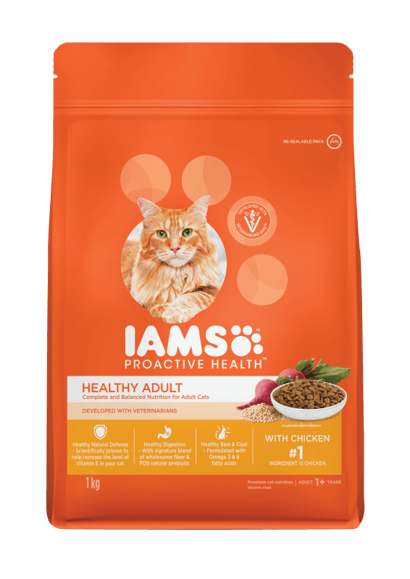
The amount to feed your cat depends on your pet’s age, size and activity level. Feeding guidelines, which list the daily-recommended portion, are included on all IAMS™ packages. Start feeding with this amount and adjust according to your pet’s needs. Remember to divide the portion accordingly if you feed more than once a day.
When changing your cat’s diet, it’s important to introduce the new food slowly. Start by offering your cat’s daily portion in a ratio of 25% new food to 75% old food. During the next three days, gradually increase the amount of new food and decrease the amount of old.
Once you have understood your own cats’ feeding guide based on age and other factors, it is important to figure out what kind of food to pick - wet or dry. Both these types of foods have their unique benefits, and each one can prove necessary for different stages of a cat’s life to fulfil nutritional requirements. Since each of these types of food finds its place in a cat’s feeding guidelines, let’s take a closer look.
Wet food is an excellent treat that can be fed alone or mixed with dry food. Wet food is good for cats for the following reasons:
Dry food comprises kibbles made with ingredients that are generally preferred by cats. Dry food is easier to use to feed cats and can be given with a food dispenser. This type of food also has a longer shelf life. Here are some more benefits of dry food for your feline friend.
The crunchy texture of dry food also promotes healthy teeth and gums and provides overall good oral hygiene
Although our wet cat foods are nutritionally complete and balanced for a cat’s diet, it is not necessary to offer wet food at every feeding. Our dry foods are formulated with high-quality protein sources such as chicken, lamb or fish and contain all the essential nutrients pets need.
You can also consult your vet regarding your cat’s feeding guidelines, and they will make changes if necessary. Also, it is best to consult your vet before making any major changes in your cat’s meals, like adding or switching to raw food diet for cats. Your vet may conduct a nutritional evaluation of your cat to determine what food they require.
No — boredom with food is a human trait. Cats are creatures of habit and usually are content with just one food. Cats generally eat to meet their energy or nutritional needs. They have very short digestive systems, and if their diet is abruptly or constantly changed, digestive disturbances can occur. Also, constant changes can make your pet a finicky eater.
Adding water will not change the nutritional value of dry cat food. However, once moisture is added the food should be eaten relatively soon, and any uneaten portion should be discarded to avoid spoilage. Feeding your cat dry food is usually encouraged because of the benefit to your cat’s dental health.
Cats and dogs have different nutritional requirements and should not eat each other’s food. For example, cats require a much higher level of taurine in their diet. An occasional venture into each other’s bowls will not be harmful but is not recommended on a regular basis.
Our foods are nutritionally complete and balanced. Adding vitamins, minerals or oils can offset the balance the food provides. One of the benefits of feeding a high-quality product is that it has been carefully balanced in proper ratios to provide optimal nutrition, so nothing needs to be added.
Contact the IAMS Pet Care and Nutrition Specialists toll-free at 1-800-675-3849.
A cat should be fed at least two meals a day. However, do ensure that you don’t wait for more than 12 hours to feed your cat, or they might suffer from acid reflux and hunger.

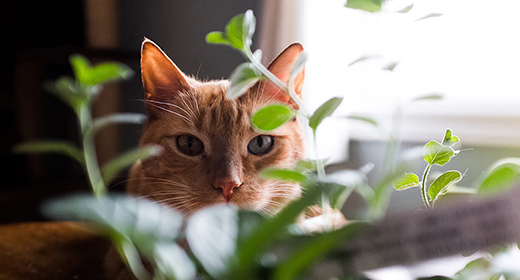
When a cat's body gets sensitive to its environment, it develops allergies. So, if you notice that your cat is feeling unwell and is constantly sneezing or scratching itself, it could be due to cat allergy reactions. These allergens are unpleasant substances that may or may not irritate you, but when your cat's body tries to rid itself of them, it may exhibit a variety of symptoms.
While it’s normal for cats to show different symptoms depending on the allergy, those that affect their breathing are the most serious ones. So, if your cat suffers from breathing issues due to allergies, it can take a life-threatening turn. Sometimes, the itchiness can also cause skin irritation leading your cat to chew on its paws or tail relentlessly.
Fortunately, cat allergy is treatable once the allergen affecting your cat is identified. Therefore, knowing how to detect if your cat has allergies and what’s causing these allergies can help you prevent problems in the future.
The first step toward treating your cat’s allergies is finding out what’s causing them. A visit to the veterinarian is the simplest way to identify your cat’s allergy stimulus.
Causes of cat allergies could be due to several reasons, all of which fall under one of the three categories. These categories are, namely – flea allergy, food allergy, and environmental allergy (atopic dermatitis).
One of the most common cat allergy signs is flea allergies. These allergies are generally caused by flea bites or flea treatment medicine. Excessive itching is the most predominant symptom of this type of allergy. It's likely that your cat is allergic to fleas if you find it scratching or frequently chewing on its fur, especially directly above the tail.
Food allergies in cats can cause vomiting, diarrhea, and even itchy skin, especially around the neck and head. This type of allergic response might cause your cat to shed patches of fur in severe circumstances. In such extreme cases, your vet can help you detect which foods are causing irritation and develop an appropriate diet for your cat.
Environmental allergies may have different triggers, including plants, pollen, and mold. This type of allergy can also be induced by cleaning products, or the fragrance included in some types of cat litter. Another type of environmental allergy is feline atopy. It is commonly known as feline atopic dermatitis, a severe allergic reaction in cats that causes extreme itchiness in their skin. As a result of this condition, your cat may suffer from skin soreness, redness, scabbing, and even hair loss.
Depending on the kind of allergy your cat has, symptoms can range from unpleasant to life-threatening.
Diarrhea is frequently related to staining of the fur around the hind end in some breeds. In normal cats, you can observe some variation in the consistency of their stool. Dietary changes can also cause temporary changes in their stool. But, if you notice frequent semi-liquid or liquid stools for more than two days, you should consult your vet.
There are different causes to why a cat makes a wheezing sound. It could be due to a hairball stuck in its stomach or allergens like pollens, mold, or cigarette smoke. However, this wheezing sound can also be linked to discomfit or stress. Because each cat's triggers are unique, it's critical to be aware of the surroundings and activities in your cat's environment that could be causing stress-related wheezing.

Watery or glossy-looking eyes are other prominent cat allergy signs. While a cat's moist eyes maybe caused by allergens such as mildew dust or household cleaning products, it could also indicate something more serious, such as a bacterial illness or virus.
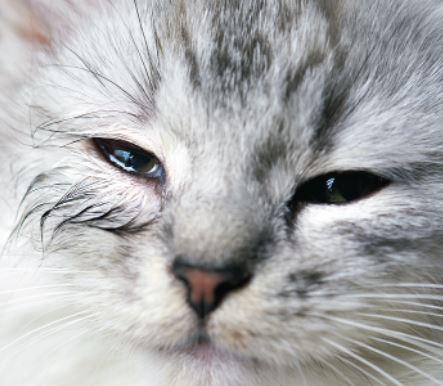
Itchiness or skin redness in cats is associated with a skin condition called cat dermatitis. When this happens, your cat’s skin becomes swollen, red, and irritated, often with small blisters, as a result of an external agent directly irritating the skin or causing an allergic reaction to it.

If your cat is suffering from moderate allergy symptoms with only limited itching, medicated shampoos or rinses can help.
Anti-itch and anti-inflammatory medicines such as corticosteroids are particularly effective in treating extreme itchiness in cats. When used correctly, they can be quite safe and effective in cats. Consult your vet to identify the best course of action.
Treating your cat with flea preventatives will prevent your cat from being bitten by fleas. Plus, to lessen the chances of your cat being bitten, you should treat your home during the warmer months when fleas are more frequent. In fact, even cats who aren't allergic to fleas should use a flea preventative to avoid tapeworm and other flea-related illnesses.
To figure out which food is causing your cat's allergies, you must first put it on an elimination diet. After that, gradually reintroduce food items until you find the problematic allergen. The top three allergenic protein sources are beef (18%), fish (17%), and chicken (5%). Avoiding these foods will enable your cat's allergic reaction to be less severe.
The most common allergy symptoms in cats are skin reactions, regardless of the cause, and they can appear at any age. Just because your cat didn’t have allergies as a kitten doesn’t mean she won’t have them as an adult. If your cat suffers from any of the following symptoms, take her to the vet for a consultation:
Allergies can vary from cat to cat, so it is important that you work with your vet to make sure your cat gets the best possible treatment. You’ll both be happier as a result.